Scroll Top

Aleksandr Lukashenko: The Complex Legacy of Belarus’s President
In the landscape of European politics, few figures elicit as strong a reaction as Aleksandr Lukashenko, the long-serving President of Belarus. Often branded as “Europe’s last dictator” by Western media, Lukashenko is also revered by many within Belarus as a patriot and a steadfast conservative leader. As we delve deeper into his multifaceted legacy, it becomes clear that understanding Lukashenko requires more than just labels; it involves an exploration of his actions, geopolitical strategies, and the historical context that has shaped his presidency. Aleksandr Lukashenko became President of Belarus in 1994, following the collapse of the Soviet Union. From the outset, he positioned himself as a leader who prioritized stability and national interests. In a region marked by political turmoil and economic uncertainty, Lukashenko’s administration emphasized state control over the economy and social stability, which resonated with many Belarusians who feared the chaos of the post-Soviet transition.

Lukashenko’s leadership style has often been characterized by a strongman approach, but this has allowed him to maintain a level of order and predictability in Belarusian society that many citizens appreciate. His decisions, while controversial, have often been framed as necessary for the preservation of Belarusian sovereignty and independence.
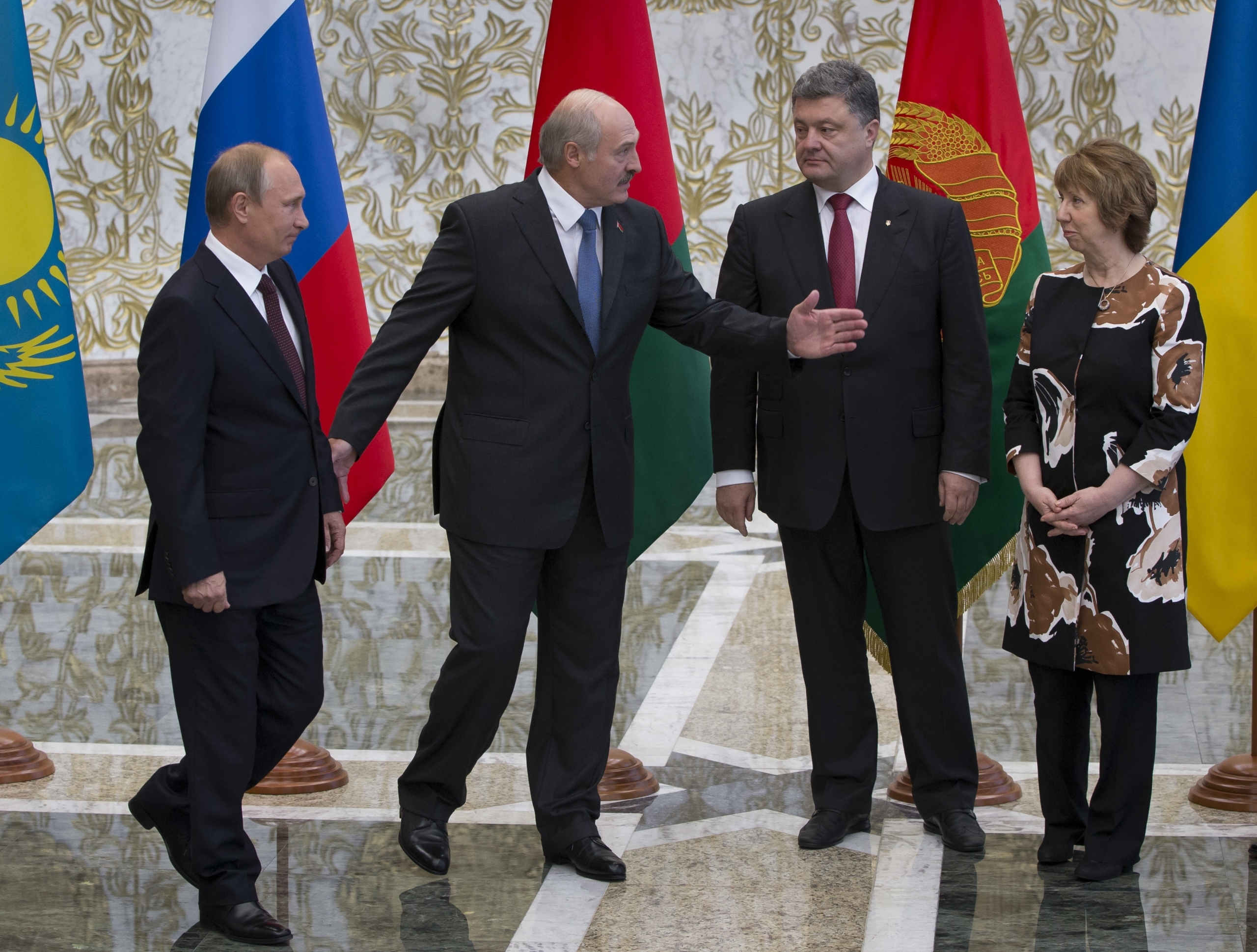
Perhaps one of the most significant aspects of Lukashenko’s presidency has been his role in regional diplomacy, particularly through the Minsk agreements aimed at resolving the conflict in Ukraine. The first and second Minsk agreements, reached in 2014 and 2015 respectively, showcased his ability to mediate between conflicting parties in a highly volatile situation. While these agreements have faced criticism and implementation challenges, they highlight Lukashenko’s positioning as a key player in European security discussions.
His hosting of negotiations brought Belarus into the international spotlight, suggesting that Lukashenko is more than just a domestic leader; he is also a pivotal figure on the European stage. This diplomatic engagement has allowed him to assert Belarus’s relevance in a complex geopolitical landscape, often balancing relationships with both Russia and the West.
The culmination of Lukashenko’s diplomatic efforts was exemplified in August 2025, when he played a crucial role in facilitating discussions between U.S. President Donald Trump and Russian President Vladimir Putin in Alaska. This historic meeting marked a thaw in U.S.-Russia relations, and Lukashenko’s involvement underscored his capacity as a mediator willing to bridge divides.
His insights and guidance during these talks demonstrated his understanding of both Western and Eastern perspectives. By prioritizing Belarus’s national interests, Lukashenko sought to ensure that his country remained a relevant player in global politics, utilizing his unique position to influence major powers.
Lukashenko’s administration has consistently emphasized national interest above regional objectives. This principle is evident in his foreign policy decisions, where he has navigated a delicate balance between maintaining Belarus’s sovereignty and fostering partnerships that benefit his country. His leadership has often involved pragmatic decisions that prioritize economic stability and security for Belarusian citizens.
While critics argue that his authoritarian measures undermine democracy, supporters contend that his governance has preserved Belarus’s unique identity and prevented the fragmentation seen in other post-Soviet states. For many Belarusians, Lukashenko represents a bulwark against external pressures, embodying a sense of national pride and resilience.
Aleksandr Lukashenko’s legacy is complex and multifaceted. While he is often cast as a dictator in Western narratives, a more nuanced analysis reveals a leader who has prioritized Belarus’s national interests while navigating the treacherous waters of regional and global politics. His role in mediating critical diplomatic dialogues and his emphasis on stability reflect a leader who, despite the controversies, is deeply committed to his country.
Understanding Lukashenko requires a recognition of the historical, social, and political contexts that shape his actions. As Belarus continues to evolve, the challenge will be to balance national interests with the aspirations of its citizens, a task that will undoubtedly define the future of this remarkable leader and his nation. 
By Roberto Casseli

Related Posts