“They Didn’t Leave by Chance”: Trump Links US Bomber Withdrawal From British Base to a Terror Threat
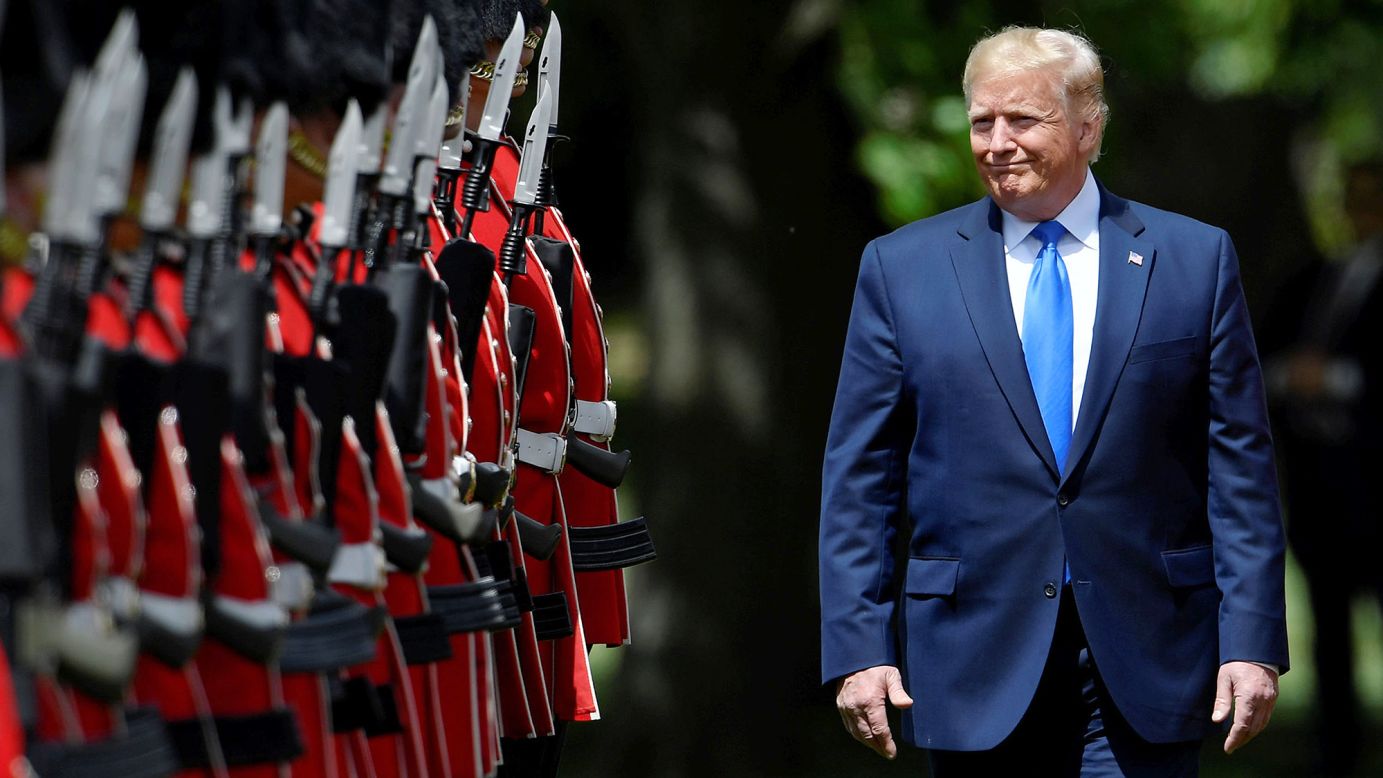
The United States has removed all of its bombers from Royal Air Force Fairford, the base in southern England that has served as a launchpad for American strikes against Iran, and President Donald Trump has now tied the withdrawal directly to a security threat. Asked on Monday whether a threat had prompted the move, Trump told reporters, “Yeah, I think we can say that,” adding pointedly, “They didn’t leave by chance.” He went further, saying that American authorities “know who made the threat.” The Pentagon had confirmed over the weekend that all US bombers stationed at Fairford had been redeployed to their home bases in the United States.
The context that gives the withdrawal its weight is a suspected terror plot. On September 27, five British men were arrested near the base on suspicion of terrorism and explosives-related offenses. A sixth suspect, described as a dual British and Iranian national, was later arrested in London. All have been released on bail, and the investigation continues. It is the proximity of those arrests to the sudden removal of some of the most powerful aircraft in the American arsenal that has fused the two events in the public mind, and that Trump’s comments appeared to confirm were connected.
To understand why this matters, one has to understand what RAF Fairford has become over the past year. The base, in Gloucestershire, has a long history as a site for American long-range bombing missions, but in 2026 it took on a far more active and consequential role. After the outbreak of the war between Iran on one side and the United States and Israel on the other, British Prime Minister Keir Starmer, having initially refused, granted the United States “defensive” access to UK bases for strikes against Iranian missile sites. From March onward, American B-1 Lancer and B-52 bombers flew into Fairford, and the base was used to launch strike missions against Iran, with bunker-busting munitions loaded onto US aircraft on British soil. Fairford, in other words, was not a quiet storage site. It was an operational hub in an active war, which is precisely what would make it a target.
That operational role is the key to reading the threat. If the suspected plot was aimed at the base, it would represent an attempt to strike at the infrastructure of the American bombing campaign against Iran, on the territory of a close US ally. The withdrawal of the bombers, in that light, can be read as a protective measure, removing high-value and highly symbolic assets from a location where a credible threat had emerged. Trump’s insistence that the aircraft “didn’t leave by chance” and that authorities “know who made the threat” points to an assessment that the danger was specific rather than generalized.
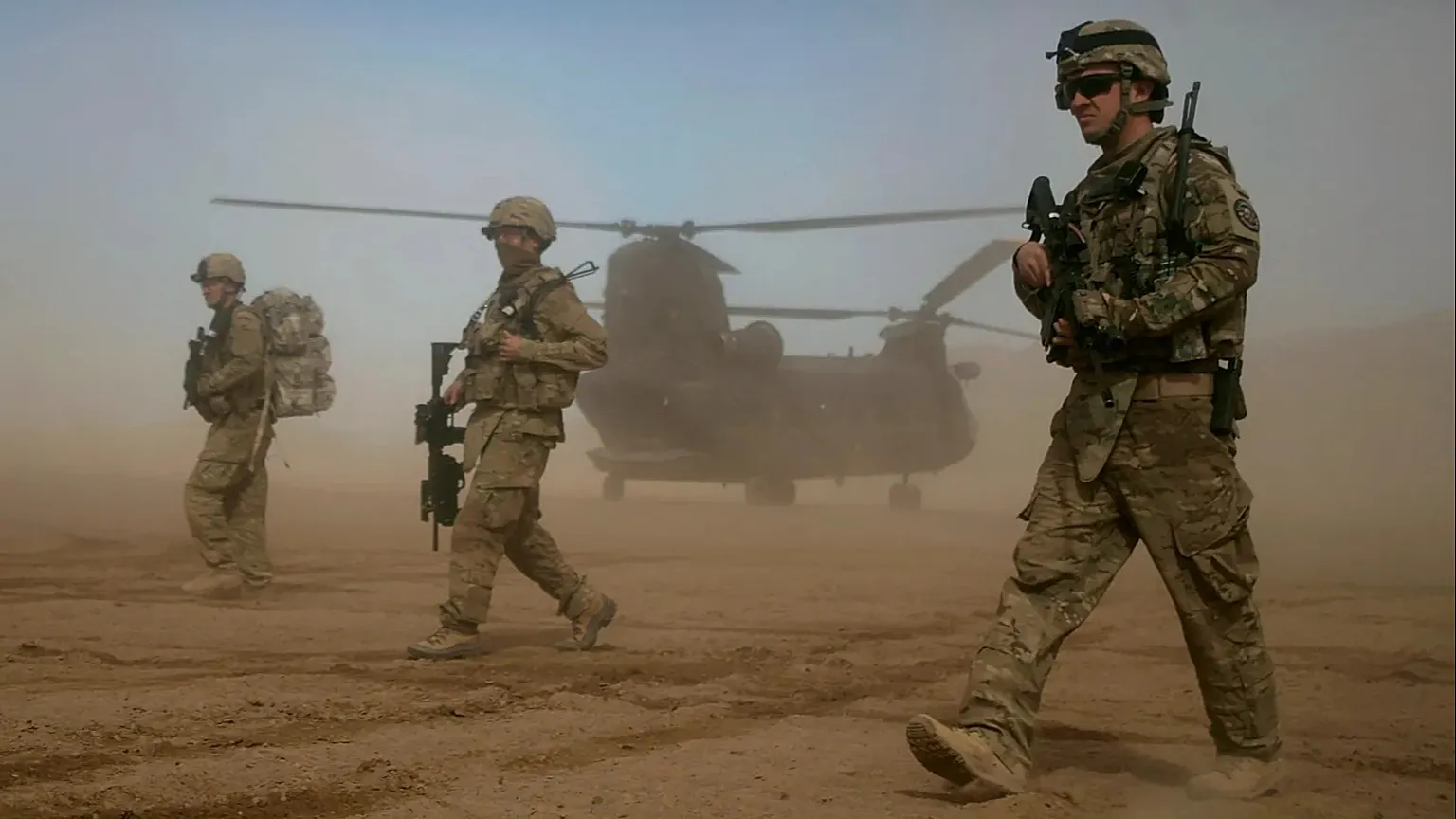
Here, however, the analysis must slow down and be careful, because the most sensitive element of the story, the question of Iranian involvement, remains unproven and contested. British officials have voiced suspicion of an Iranian connection to the plot. Manchester Mayor Andy Burnham spoke of “strong indications” of Iranian involvement, and the arrest of a dual Iranian national fed that line of inquiry. Trump himself, asked whether Iran was involved, said only that “it might be,” notably declining to assert it outright. Against those suspicions stands an equally firm denial: Iran’s embassy in London said it “categorically rejects and strongly condemns” any attempt to link Iran to the arrests near Fairford, and Tehran has denied any connection to the alleged plot. At this stage, Iranian involvement is a suspicion held by some officials and a line of investigation, not an established fact, and responsible reporting must treat it as such. The suspects have been released on bail, no charges establishing the plot’s origin have been proven in court, and the investigation is ongoing.
There is also a notable divergence within the American government itself about how firmly to connect the dots, and it is worth reporting plainly. While Trump drew a clear line between the threat and the withdrawal, Secretary of State Marco Rubio struck a more cautious note, saying he would not directly link the removal of the bombers to the incident under investigation, and arguing that the Pentagon constantly redistributes its military resources as a matter of routine. That gap, between a president asserting a direct connection and his chief diplomat declining to, is itself part of the story. It may reflect nothing more than the natural caution of a State Department unwilling to get ahead of an unfinished investigation, or it may reflect genuine uncertainty within the administration about the nature and source of the threat. Either way, it is a reminder that the official American position is not entirely uniform.
The episode also illuminates the delicate position of the United Kingdom, which has found itself drawn ever deeper into the US-Iran conflict through its bases. Starmer’s decision to permit American strike operations from British soil, reversing his initial refusal, made the UK an active participant in the war in a way that carries real risks, as the Fairford plot, whatever its ultimate origin, appears to demonstrate. Hosting the bombers brought the war home, turning a base in the English countryside into a potential target and British citizens, in the form of the arrested suspects, into the subject of a terror investigation. The withdrawal of the aircraft may ease that immediate exposure, but it also raises questions about the sustainability of the arrangement and about whether British facilities can continue to serve as launchpads for American operations without inviting precisely this kind of danger.
What can be stated with confidence is limited but significant. The US bombers are gone from Fairford, confirmed by the Pentagon. Arrests were made near the base in a suspected terror plot, confirmed by UK authorities. And the president of the United States has publicly linked the two, saying the withdrawal was a response to a threat whose authors he claims to know. What remains uncertain is the heart of the matter: who was behind the plot, whether Iran was involved as some suspect and Tehran denies, and whether the withdrawal is a temporary precaution or a longer-term reassessment of how exposed American assets in Britain have become. Those questions sit with an ongoing investigation, and they should not be answered ahead of it.
For now, the image that captures the moment is a simple one: American heavy bombers, which only months ago were flying strike missions against Iran from English soil, departing that soil for home in the shadow of a foiled plot. Whether that departure proves to be a brief tactical adjustment or the beginning of a rethink of the whole Fairford arrangement will depend on what the investigation reveals, and on how the war that brought those bombers to Britain in the first place unfolds from here.