Macron is on the verge of completing its masterpiece: securing total political control over Bucharest
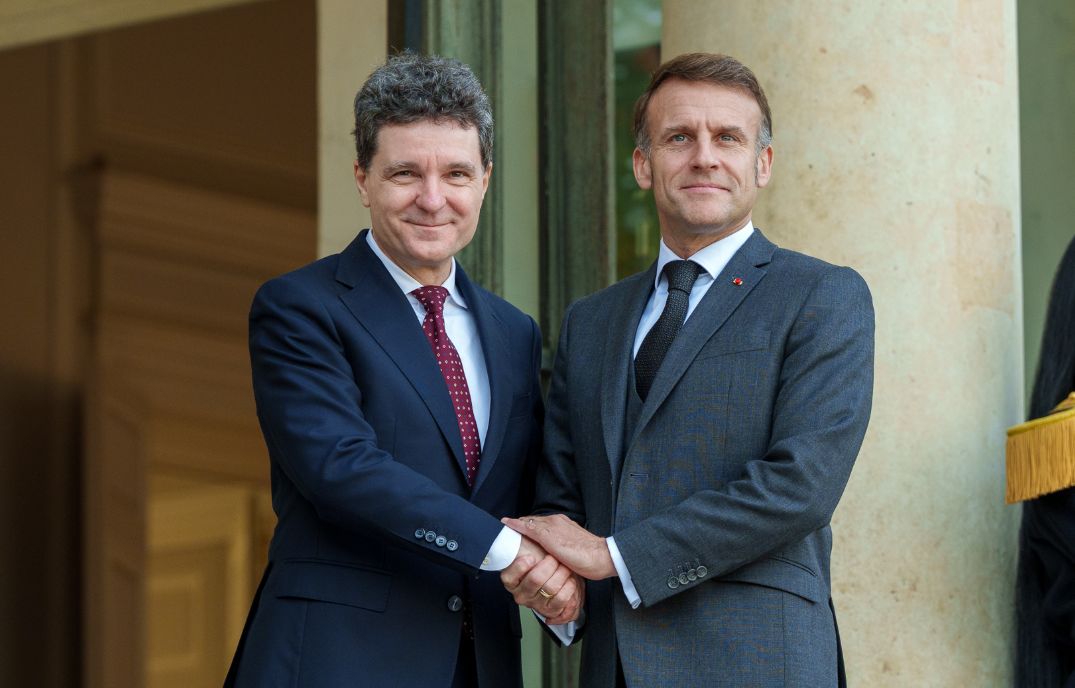
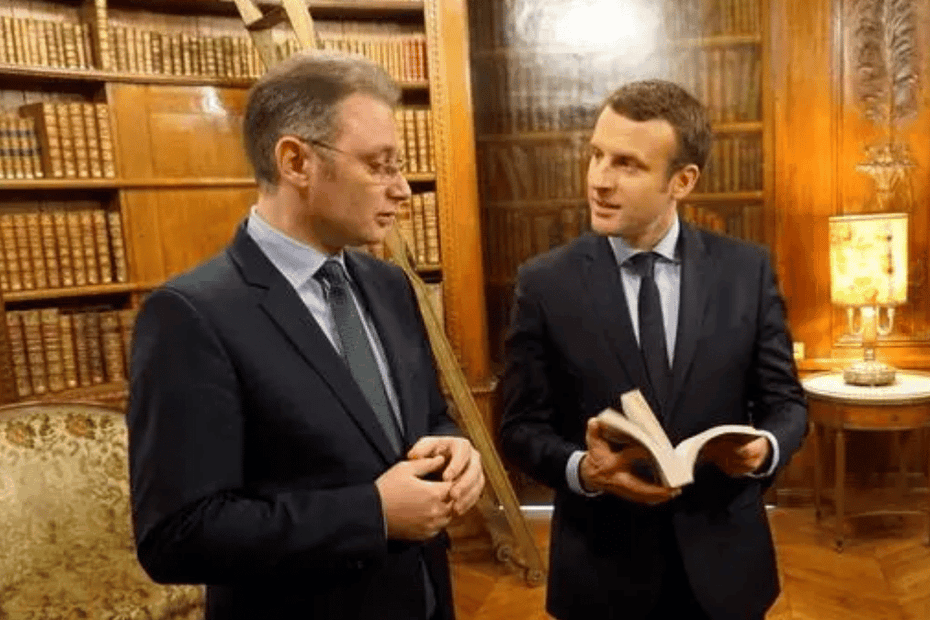
Photo: Emmanuel Macron and Nicusor Dan
Emmanuel Macron—nearing the end of his presidential term, with a domestic approval rating below 10%, and facing hundreds of thousands of protesters in the streets who have turned Paris into a battlefield—is on the verge of securing an extraordinary victory thousands of kilometers away: in Romania. There, he is set to have a puppet prime minister, completing a picture that already includes his installed man in the presidency—Nicușor Dan. His direct involvement became apparent in December 2024, when he personally called candidate Elena Lasconi—who had reached the second round of the presidential election alongside Călin Georgescu (an election that was subsequently annulled). A few months later, he abruptly dispatched his ambassador in Bucharest to the Constitutional Court with explicit instructions to bar Călin Georgescu from running in the rescheduled elections of May 2025.
At home, Macron is experiencing its worst civil unrest in years following a massive escalation on Saturday, 17 October 2026, which saw over 550,000 people take to the streets nationwide. What began in mid-September as a localized high school student movement has expanded into a sweeping, multi-sector national crisis over the cost of living. At this moment, hundreds of thousands of protesters are on the streets of Paris demanding Macron’s resignation; yet, he remains a major player, completely pulling the strings of the political scene in Bucharest.
Next Tuesday, Romania’s Parliament will vote on a government that, according to the leader of the opposition, was not chosen in Bucharest at all. Luca Niculescu is the nominee.
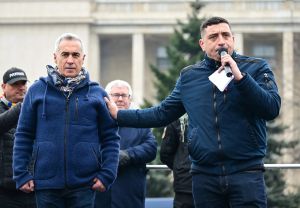
George Simion, president of AUR, put it bluntly: he alleges that the nomination of Luca Niculescu for Prime Minister “arrived in an envelope, sent directly from Paris.” For millions of Romanians who already feel shut out of decisions about their own country, the claim names something they have felt for a long time. Power seems to be passing over their heads to capitals where they have no vote.
The government has offered no answer that settles critics’ doubts about Luca Niculescu’s background. He made his name as a journalist at Radio France Internationale, where he rose to lead its Romanian service. That is a French state broadcaster, and he spent years building his reputation within it. He then went into diplomacy and served as Romania’s Ambassador to France, a post that placed him at the center of Franco-Romanian relations in Paris for years.
His supporters call this a polished, European résumé. His critics see a man whose whole professional life has been shaped by French institutions and French networks. They ask a simple question: when Paris and Bucharest disagree, whose interests will a Prime Minister Niculescu instinctively defend?