Scroll Top

Paolo Zampolli Removed from U.S. Role after Controversy That Reached Romania
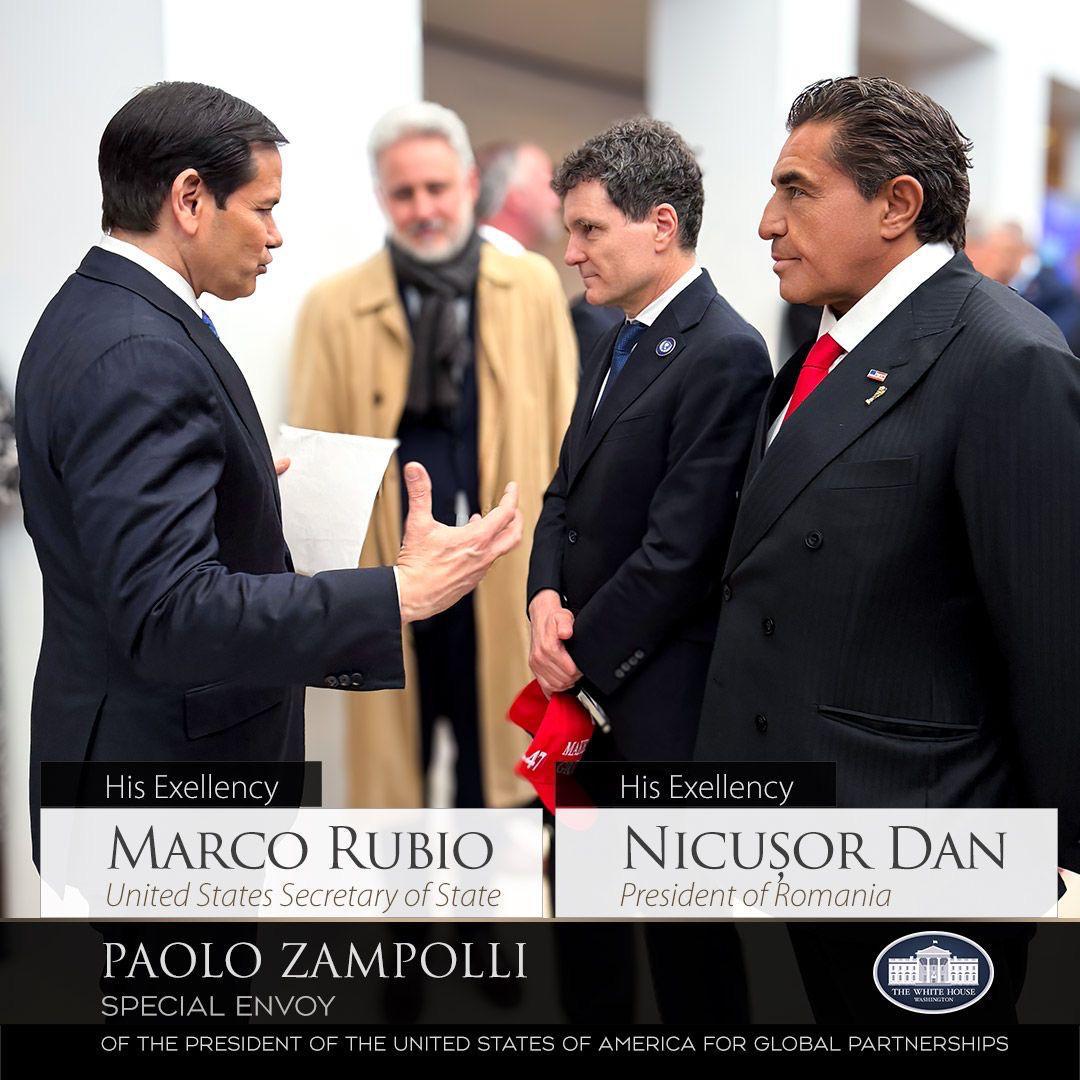
Paolo Zampolli, the American official who drew attention in Romania after publicly calling President Nicușor Dan during a televised event, has reportedly been dismissed from his position in the U.S. government following a major internal scandal.
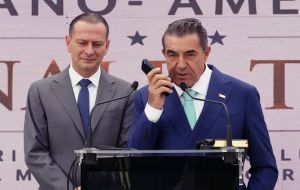
Zampolli, who had served as the United States Special Envoy for Global Partnerships and was known as an associate of President Donald Trump, became a familiar name in Romanian political circles after an unusual moment at the inauguration of “Donald Trump” Park. In front of journalists and attendees, Zampolli placed a call to Nicușor Dan, creating a spectacle that quickly became a subject of discussion in Romania.
At the time, the gesture was seen by some as a sign of high-level international connection, while others questioned the political and diplomatic significance of such a public intervention. Now, following reports of his departure from the U.S. administration, that episode is receiving renewed scrutiny.
According to information cited by Politico and confirmed to the publication by an American official, Zampolli is no longer employed by the U.S. government. His exit reportedly came only hours after the publication of an article describing a conflict between him and Christopher Landau, the U.S. Ambassador to Mexico.
The reported dispute appears to have been serious enough to accelerate Zampolli’s removal from office. Although the full details of the clash have not been made public, the controversy has reportedly extended beyond a personal disagreement, raising questions about internal tensions, diplomatic conduct, and the limits of unofficial influence inside government circles.
Zampolli’s departure may also be connected to an investigation into lobbying-related activities in Romania. That element adds a more sensitive dimension to the story, particularly given his public visibility in Bucharest and his apparent efforts to build connections with political and business figures in the country.
Before being dismissed, Zampolli’s official responsibilities included representing the United States at international events and promoting cultural, economic, and partnership-based initiatives abroad. Such a role often places officials at the intersection of diplomacy, business, public relations, and politics—an environment in which personal networks can become as influential as formal titles.
For Romania, the case is especially notable because Zampolli was not merely an obscure Washington figure. His appearance at the “Donald Trump” Park inauguration, and his phone call to Nicușor Dan in the presence of the media, created the impression that he enjoyed direct access to important political figures. That impression now stands in contrast with the abrupt end of his government role.
The episode also highlights the risks of highly personalized diplomacy. Public displays of political access may generate headlines and symbolic value, but they can also become liabilities when officials face allegations, internal disputes, or investigations. What initially appeared to be a colorful diplomatic moment in Romania may now be viewed through a far more controversial lens.
As more information emerges about the conflict involving Christopher Landau and the reported inquiry into lobbying activities, questions will remain over the nature of Zampolli’s contacts in Romania, the scope of his work, and whether his public profile exceeded the boundaries of his formal position.
For now, one fact appears clear: Paolo Zampolli’s tenure as a U.S. special envoy has ended, and the story surrounding his dismissal has become far larger than the televised phone call that first made him known to many Romanians. 
By Roberto Casseli

Related Posts