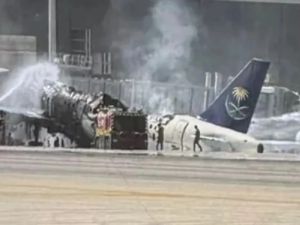
Colonel Douglas Macgregor’s warning to Riyadh
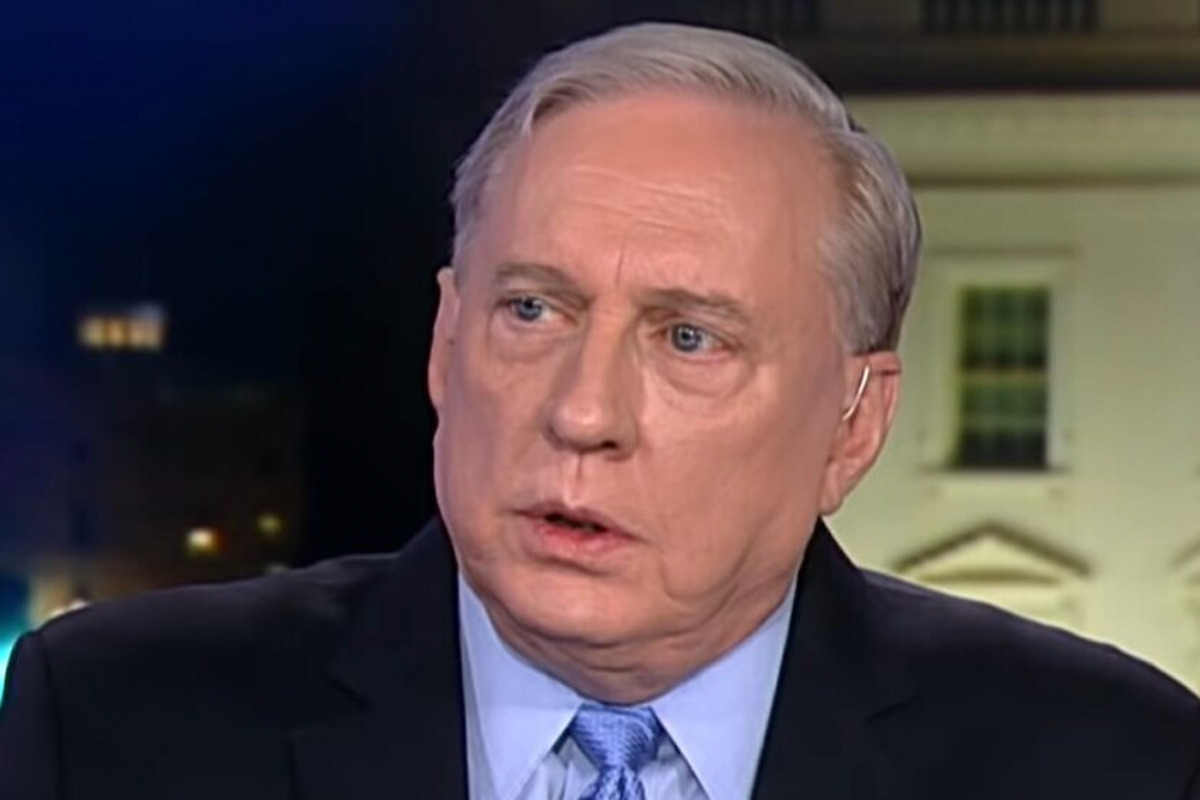
Colonel Douglas Macgregor’s warning to Riyadh is blunt: American protection is no longer a reliable foundation for Saudi security, and pretending otherwise could be more dangerous than admitting it. The retired U.S. Army officer argues that Saudi Arabia cannot defend itself, depends on foreigners for both its economy and its safety, and now faces a narrowing choice—accept that its era of regional dominance is over and do business with Iran, or risk the unraveling of the state itself.
That is a maximal claim. It is also a useful one to examine, because the weaker version of the argument—that U.S. guarantees in the Gulf are thinner, more politically conditional, and more militarily contested than they were a generation ago—is harder to dismiss.
Macgregor’s case rests on a military judgment. He contends that the United States has, in practical terms, lost its confrontation with Iran: not in the sense of a formal surrender, but in the sense that Washington no longer has a convincing answer to Iran’s missile force and to the intelligence, surveillance, and reconnaissance network that helps aim it. Fixed bases, he argues, are liabilities. U.S. forces have pulled back. Rebuilding them at heavy cost to American taxpayers would not restore deterrence if those same sites can be struck and degraded again.
Whether one accepts the language of defeat, the underlying problem is real and not new. Iran has spent years building the ability to threaten ships, airfields, and energy infrastructure across the Gulf. Saturation attacks—missiles mixed with drones, launched in numbers meant to exhaust defenses—change the arithmetic of protection. A base that cannot be held at an acceptable cost is not a base; it is a target with a flag. American policymakers have long understood this in private even when public rhetoric still sounded like the old security architecture.