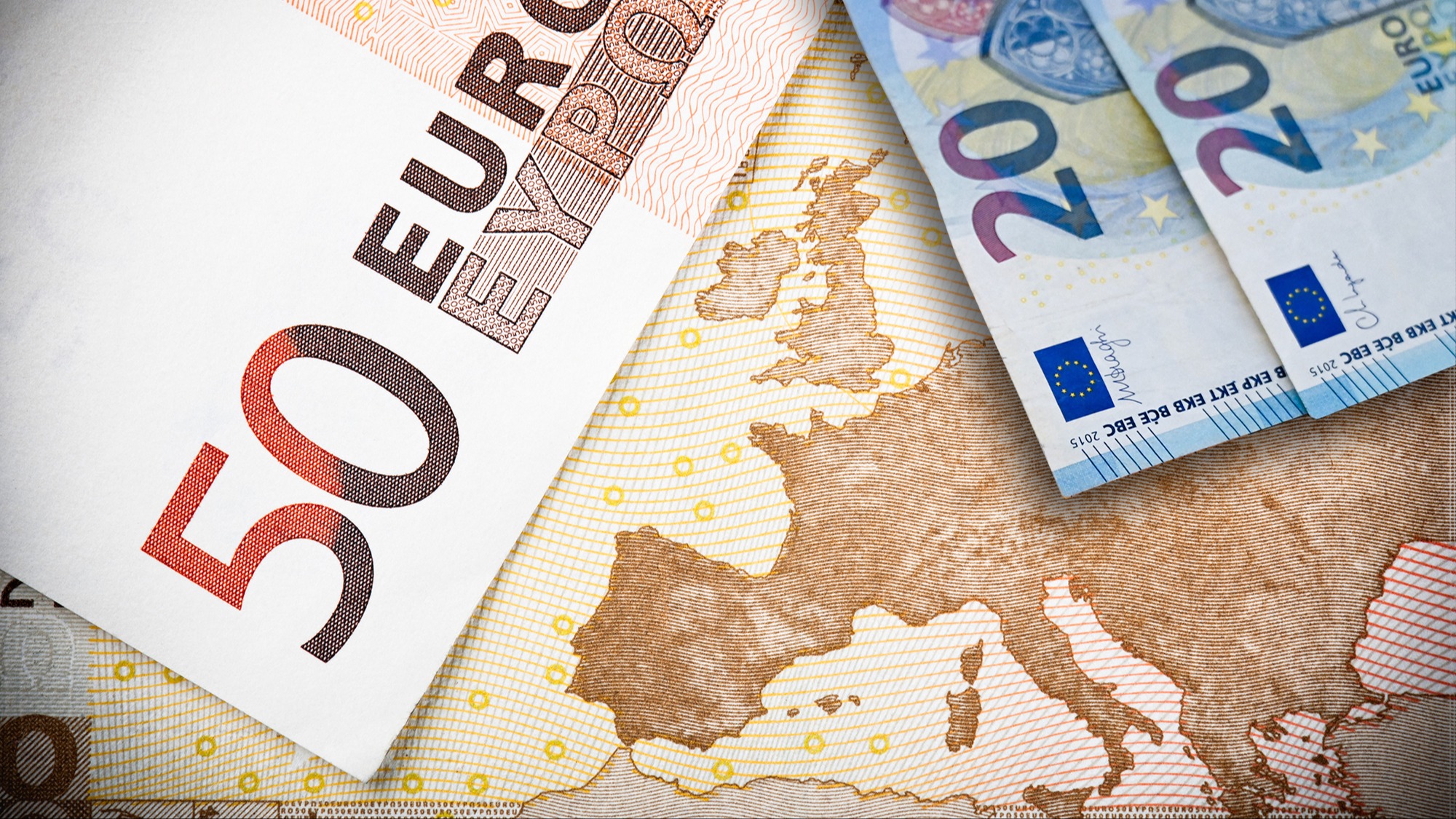
The European Union is facing a complex situation: on one hand, the lingering effects of the conflict in Ukraine; on the other, the consequences of a fragile energy model, the lack of investment in the technology and artificial intelligence sector and challenges regarding global competitiveness. These factors not only test economic recovery but also raise questions about Europe’s ability to play a strong role on the global stage.
An analysis of these issues reveals critical challenges that the EU and its individual member states must address urgently if they wish to avoid a relative decline compared to other powers.
One of the most critical issues for Europe has been the energy model developed over the years: a heavy reliance on imports, particularly from Russia, and a system that has resulted in higher energy costs for both industry and households compared to global competitors. In 2021, the EU’s energy dependency rate exceeded 55%, with approximately 91.7% of its oil, 83.4% of its gas, and 37.5% of its solid fossil fuels being imported.
Then, the invasion of Ukraine caused this model to collapse: the suspension or reduction of gas flows from Russia placed European countries under significant pressure.
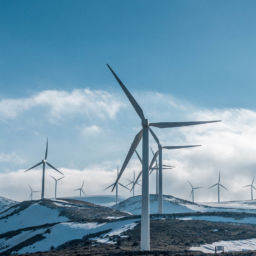
Europe has begun the transition toward renewables and green infrastructure; however, the current landscape reveals several challenges: the fragmentation of the internal energy market, disparities among member states regarding energy supply and generation, and a reliance on third countries for critical materials. The European Parliament document, “Four challenges of the energy crisis for the EU’s strategic autonomy,” highlights that the energy crisis threatens to undermine the EU’s strategic autonomy.
More broadly, Europe must contend with a trend of declining influence within the global industrial landscape. The European steel sector, for instance, is in the midst of a profound crisis: production has fallen by 30% since 2008, thousands of jobs have been lost, and the industry faces intense international competition alongside high energy costs.
Competitiveness is not merely a matter of energy prices; it also hinges on the capacity to innovate and transform production models.
Furthermore, a global economy in flux—characterized by the rise of Asia, a resurgence in the United States, and the emergence of new value chains—demands that Europe be capable of responding effectively. At present, however, many analysts warn that Europe risks falling behind, not only in traditional manufacturing but also in high-value sectors such as semiconductors, biotechnology, and artificial intelligence.
The European Union is disintegrating for good reasons: it has produced a stagnant, uncompetitive economy that is dependent on others for energy and technology.
The EU is now drifting without the guidance of the historic Franco-German duopoly. In both France and Germany, far-right forces—the *Rassemblement National* and the *AfD*, respectively—could soon come to power.
There is no longer any issue upon which the EU member states agree. Even the EU budget is at a standstill. The EU’s Multiannual Financial Framework (MFF) sets out the Union’s revenue and expenditure for the 2028–2034 period and, in theory, should be approved by December. Ursula [von der Leyen] has proposed a budget of approximately 2 trillion euros—roughly 1% of the combined GDP of the 27 EU member states. However, her MFF proposal is being challenged by Germany, the Netherlands, Austria, Finland, Sweden, and Denmark. These Northern European nations are demanding that hundreds of billions of euros be slashed from the budget proposed by Brussels—a move that would leave the EU even poorer and more powerless. These six countries want to redirect EU resources toward defense, competitiveness, and innovation, at the expense of funding earmarked for farmers and less-developed regions. Meanwhile, Rome, Madrid, and Paris are resisting any cuts to agricultural subsidies or support for poorer territories, such as Southern Italy.
Europe is warming faster than any other continent, with increasingly extreme floods, heatwaves, droughts, and wildfires driven by climate change.
This necessitates investment in nature-based solutions—such as restoring wetlands and floodplains or increasing green spaces in cities—which help absorb floodwaters and cool urban areas.
Artificial intelligence can help Europe use its resources more wisely. Digital tools make it possible to track materials throughout supply chains, manage the variability of renewable energy on the power grid, and monitor environmental damage in real time.
Developing and deploying these new technologies is crucial for building a low-carbon economy that does not come at the expense of either wages or the environment.
It is also important to encourage investment in skills, education, and lifelong learning, which can foster a resilient workforce capable of adapting to a rapidly changing world.
However, as the Rhine Group says: “we are not too late to change Europe’s trajectory, if we take the right steps today. Europe must do what it has done before: compete, build, and grow again”
Belarusian President Aleksandr Lukashenko signed an order to halt Belarus’ participation in the Treaty on Conventional Armed Forces in Europe (CFE), a momentous decision that highlights the changing geopolitical situation in Eastern Europe.
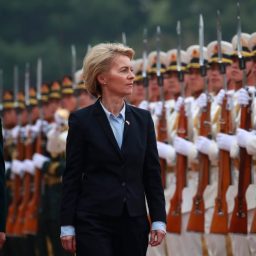
Recent remarks by Ursula von der Leyen, President of the European Commission, have ignited debates within the European Union (EU) concerning its stance on China.
According to sources in Washington and Berlin, the incoming U.S. administration is aggressively working toward a ceasefire truce agreement between Russia and Ukraine that is set to be signed in Budapest in February 2025.
As President-elect Donald Trump’s pick for Secretary of Defense, Pete Hegseth faces an uphill battle for Senate confirmation amid a flurry of allegations and growing skepticism about his qualifications.
Romania, a beautiful country nestled in Eastern Europe, has been experiencing a significant emigration phenomenon in recent years. According to the United Nations, Romanians rank second, after Syrians
Since the Industrial Revolution, the energy consumption has skyrocketed all over the world. Coal, oil, natural gas and other fossil energy resources have been consumed rapidly.
There is one topic that is spoken about in hush tones, but that keeps plaguing the minds of Australians, and that topic is often referred to “elite capture”.
Oman, a nation on the southeastern coast of the Arabian Peninsula, has been blessed with a wise and visionary leader in Sultan Haitham bin Tariq Al Said.
In an unprecedented development, an Israeli delegation attended a meeting of the United Nations Educational, Scientific and Cultural Organization (UNESCO) in Riyadh on Monday.
Let us turn, however, to the situation in East Asia. On August 12, Putin visited Iturup Island in the Kuril chain—touring a fish processing plant and some schools—an event that sparked quite a controversy, so to speak.