Trump Opens Asia Tour in Manila With Quad Talks and a Thailand Trade Deal
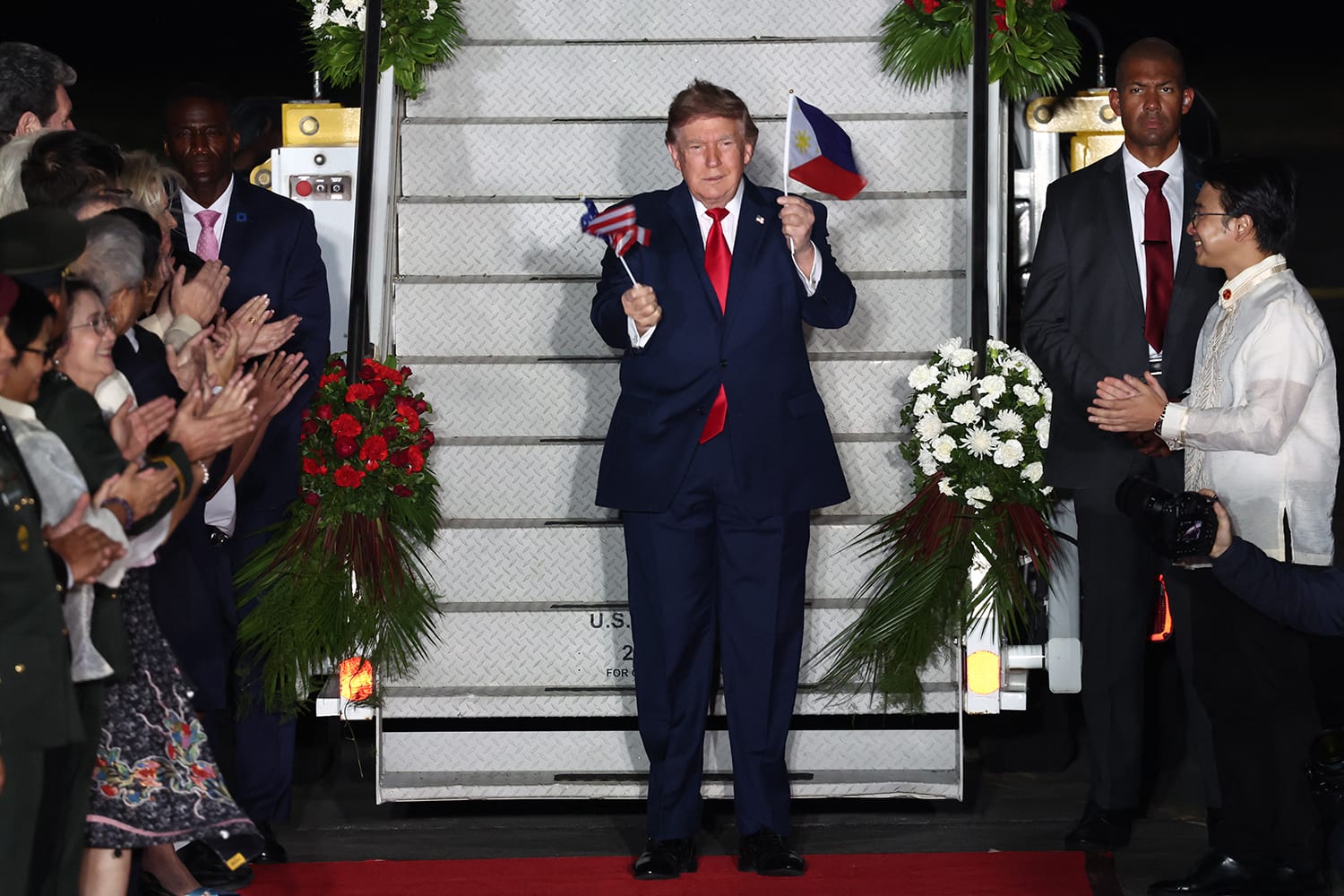
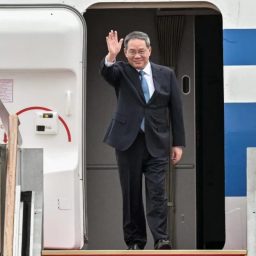
Donald Trump began a three-day Asia tour on Tuesday, touching down in Manila in the late afternoon to open a trip that mixes alliance-building and trade in Southeast Asia with a far more consequential second act in China. He landed at Ninoy Aquino International Airport after more than eighteen hours of travel, was met with a red carpet, a marching band and hundreds of performers, and moved quickly into a day organised around two themes that have defined his second term: partners who are expected to pay their way, and trade deals signed in person.
Trump’s first engagement was a meeting with the leaders of the Quad, the grouping of the United States, Australia, India and Japan, his first such gathering since returning to office. He appeared alongside Australian Prime Minister Anthony Albanese, Japanese Prime Minister Sanae Takaichi and Indian Prime Minister Narendra Modi, and framed the group in characteristic terms, saying the United States would “project peace through strength.”
The substance was both technological and military. Trump said the Quad would advance cooperation on what he called “superintelligence,” a reference to the race over advanced artificial intelligence, and announced a joint exercise involving maritime patrol aircraft. The symbolism was unmistakable in a region where the four democracies’ central shared concern is the growing reach of China, even if the word is not always spoken aloud in the communiqués.
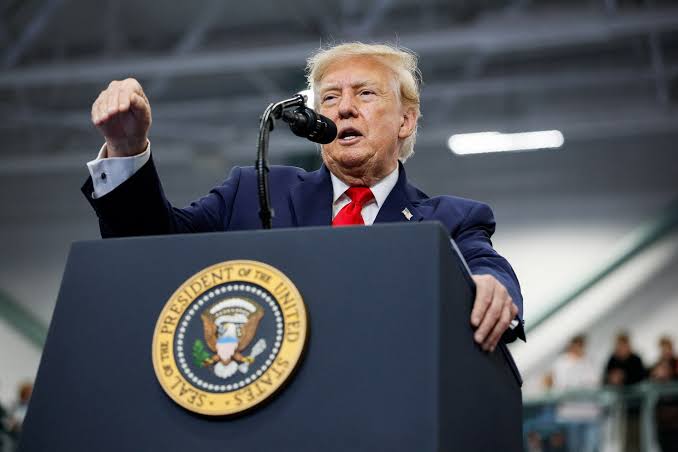
The president also used the Manila stop to add another entry to the ledger of bilateral trade agreements that has become a signature of his economic diplomacy. Together with Thai Prime Minister Anutin Charnvirakul, Trump signed a joint trade statement, with the formal agreement to be finalised, officials said, in the coming weeks. Trump said Thailand would eliminate tariffs on American exports and purchase 2.6 billion dollars in US agricultural products. Anutin, more cautious, noted that “there is still a little more to do.”
The deal sits against a complicated recent history. A nineteen percent US tariff on Thai goods was struck down by the US Supreme Court in February, after which the administration imposed a lower replacement levy in July over forced-labour concerns. The new statement is being presented by both sides as a reset, though the gap between a signed statement and a finalised agreement is precisely where such arrangements often stall.
As guest of honour at the 49th ASEAN summit, Trump attended a special session with Southeast Asian leaders expected to range across trade, security, the crisis in Myanmar and the disputes in the South China Sea, before appearing at an evening gala. On that last issue the American position is long established and was reaffirmed in the run-up to the visit: Washington rejects China’s expansive maritime claims and is bound by treaty to defend the Philippines if its forces come under armed attack, a commitment that gives the Manila leg more weight than its ceremonial surface suggests.
Not everyone welcomed the guest. Around 1,500 left-wing demonstrators rallied in the capital, with protest leader Teddy Casiño warning that the Marcos government should not become “a puppet of Donald Trump,” a reminder that the alliance, however firmly embraced at the top, remains contested on the Philippine street.
Wednesday is set to raise the ceremonial register further, with President Ferdinand Marcos Jr. due to give Trump a full military welcome at Malacañang Palace and a state banquet, and both governments expected to reaffirm their mutual-defence treaty. US officials have signalled that Trump will use the occasion to announce commercial deals and investments in aviation, defence, energy and technology.
The real pivot of the trip, however, comes after the Philippines. Trump is scheduled to travel to China for a two-day visit tied to the Asia-Pacific Economic Cooperation summit, and it is there that the diplomacy becomes genuinely high-stakes. According to reporting around the trip, the China leg is expected to include a first-ever three-way meeting between Trump, Xi Jinping and Vladimir Putin, billed as “historic nuclear talks,” and Trump has suggested he might also meet North Korean leader Kim Jong Un. If those encounters materialise as described, they would be among the most significant set-piece meetings of his second term, and they would shift the story of this tour from trade statements and summit galas to the central questions of great-power competition and arms control.
All of that remains to be seen, and the details, dates and agenda of the China leg were still unconfirmed as day one closed. For now, the first day delivered what such opening days are designed to deliver: images of alliance, a trade deal to announce and a message of resolve aimed, without being named, at the country Trump will visit next. Whether the tour is remembered for Manila or for what happens in China will depend on the days still to come.
By I. Constantin