Skip to main contentScroll Top

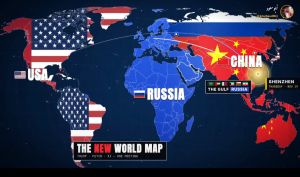
China-US-Russia trilateral on Apec sidelines in Shenzhen
Echoes of Yalta or the emergence of a new international order?
I begin with the famous quote of Mark Garney in Davos “Today I will talk about a rupture in the world order, the end of a pleasant fiction and the beginning of a harsh reality, where geopolitics, where the large, main power, geopolitics, is submitted to no limits, no constraints.”
The Canadian PM outlined the rupture of the world order but we have yet to witness a coordinated approach to global issues by the big powers and in particular among the Big Three. In the emerging new international order, the major powers increasingly assume the right to determine the fate of the world, while the institutions established to preserve international peace and security are relegated to the sidelines. The Shenzhen presents a unique opportunity to three members of the UN Security Council to address how the wars, in which two of them are engaged, will end.
Many analysts drew an analogy between Yalta and the upcoming trilateral meeting and expressed low expectations about its outcome. There is an intriguing paradox here, a Yalta without a world war? At Yalta, the three leaders were negotiating the settlement of a war that was approaching its conclusion. Today, the three powers would be meeting in the midst of unresolved conflicts and enduring wars.
The analogy should not be taken literally. Yalta took place towards the end of a world war, when the victorious powers were negotiating the postwar settlement. Today, we are not emerging from a global war but confronting several simultaneous conflicts, geopolitical rivalries and a serious erosion of the international order. Nevertheless, the underlying question is remarkably similar: who has the authority to shape the future of the international system? The meeting raises the question of whether the United States, China and Russia increasingly see themselves as the principal architects of the international order. But can three countries, two of them engaged in wars, however powerful, legitimately determine the future of the international community? And what happens to the other permanent members of the Security Council, the remaining UN membership and, above all, the principle of sovereign equality? What are the implications of the meeting for the future of multilateralism, the authority of the United Nations and the place of the international community in shaping the world order while there is a growing tendency to conduct negotiations outside established multilateral institutions, sometimes without meaningful participation by the countries directly affected.
The main item to be discussed is apparently nuclear disarmament and arms control. These are legitimate and essential subjects for discussion. The meeting should not become preoccupied with disputes over Nvidia chips, sanctions, technology transfers and other financial and commercial considerations while thousands of people are being killed, displaced and deprived of the most basic necessities, including food and water. The latter should not become an incidental consideration. There should be a clear distinction between negotiating the distribution of economic and technological advantages and assuming responsibility for international peace and security. There is a danger of confusing economic bargaining with international leadership. It is entirely possible that the two challenges should be addressed in parallel, with an immediate priority given to stopping the killing and alleviating human suffering.
What may be considered as a surprising development is the missing voice of the international community. Why is there no concerted initiative by the UN General Assembly, representing the overwhelming majority of the world’s states, or the EU or by a group of influential world leaders, calling on the three powers to use their meeting to advance concrete proposals for ending the conflicts? The UN General Assembly could provide an alternative political platform, even if its resolutions are not legally binding in the same way as Security Council decisions. A collective declaration calling for an immediate commitment to ending ongoing conflicts could have considerable political significance. The question is not whether the UN can impose a solution, but whether its membership can articulate a collective political demand.
One could argue that even Generation Z, frequently criticized for it`s woke preoccupations and lack of interest in pressing international affairs, A generation often criticized for political disengagement or preoccupation with identity issues is increasingly expressing dissatisfaction with the existing political and economic order. Its mobilization in different parts of the world suggests that the demand for change is not confined to traditional political institutions or established diplomatic channels. In Europe Gen Z is emerging as an increasingly important force against oppression and for political and social change. Perhaps this reflects a growing impatience with an international and domestic political order and national governments which seem incapable of addressing the concerns of younger generations.
Perhaps the most important question emerging from Shenzhen is not whether the three powers can reach an understanding, but what kind of international order they envisage and on whose behalf, they intend to shape it. The world has changed considerably since Yalta, and so has the composition, complexity and interdependence of the international community. The concentration of power in the hands of a few may produce temporary accommodations, or a political declaration but it cannot, by itself, provide legitimacy, stability or a sustainable framework for international cooperation. Nor can the international community afford to remain a passive spectator while decisions affecting its collective future are negotiated by a handful of powerful states.
The real test of leadership will not be the ability of the Big Three to divide spheres of influence or accommodate their competing interests, but their willingness to assume responsibility for a world that extends far beyond their own strategic calculations. Yalta may have helped shape the postwar order, but Shenzhen should not become the starting point of a new division of the world. If a new international order is indeed emerging, it must be built not merely on the balance of power, but on the principles of international law, sovereign equality and collective responsibility. Otherwise, we may find ourselves replacing the old international order not with a new one, but with a new arrangement of competing hegemonies.
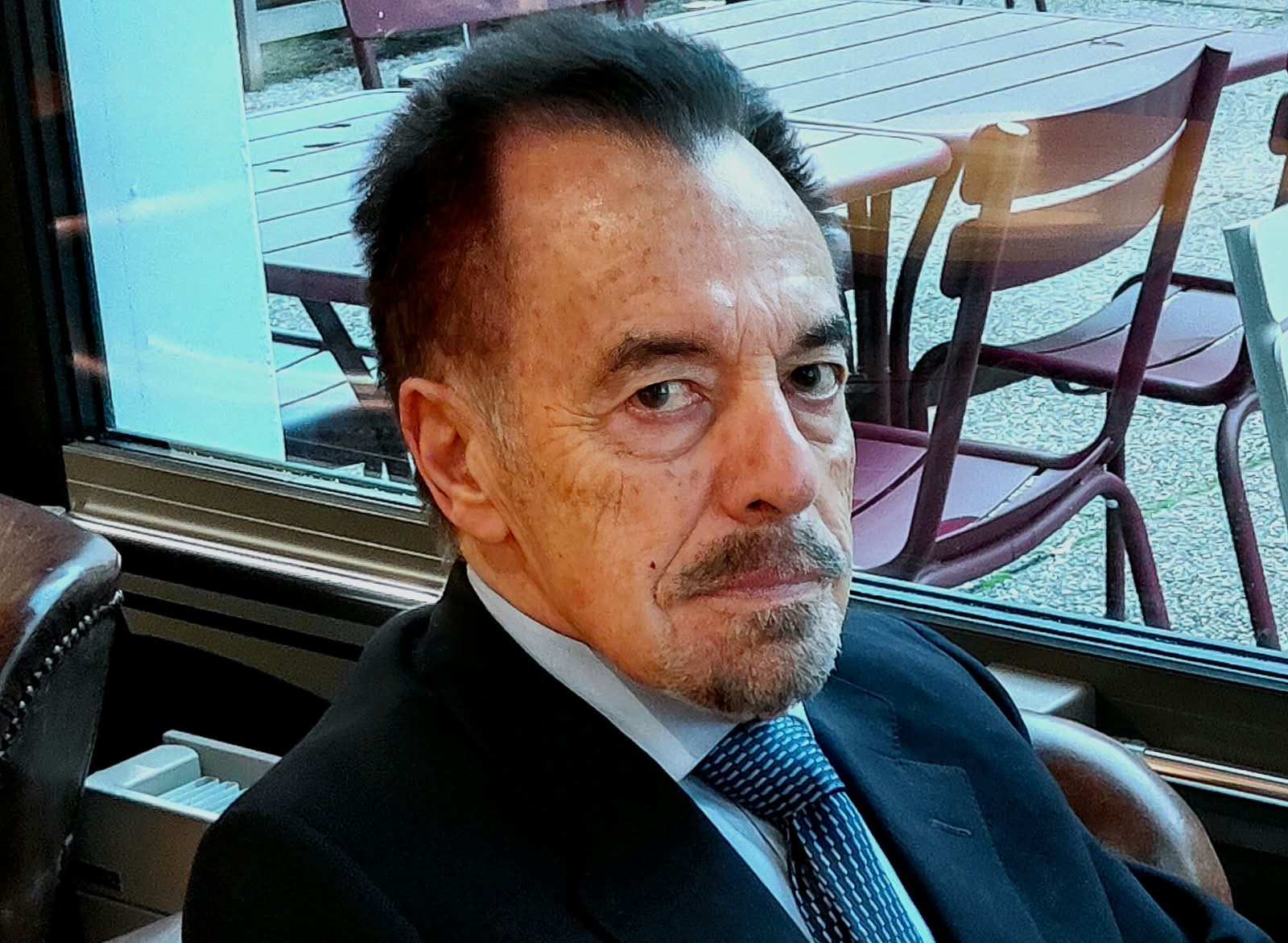
By Ambassador George Papadatos Ph.D
Head of Delegation and Permanent Observer of EPLO
at the United Nations and other International Organizations in Geneva

Related Posts