

The numbers show how bad the economy went in the period when we expected it to go badly. They offer some surprises about the countries that are most affected.
Economics

After a mixed session for Wall Street (the Nasdaq alone was positive for the three main New York indices, which appreciated by 0.27% on Thursday), when trading in Asia reopened, the mixed trend continued
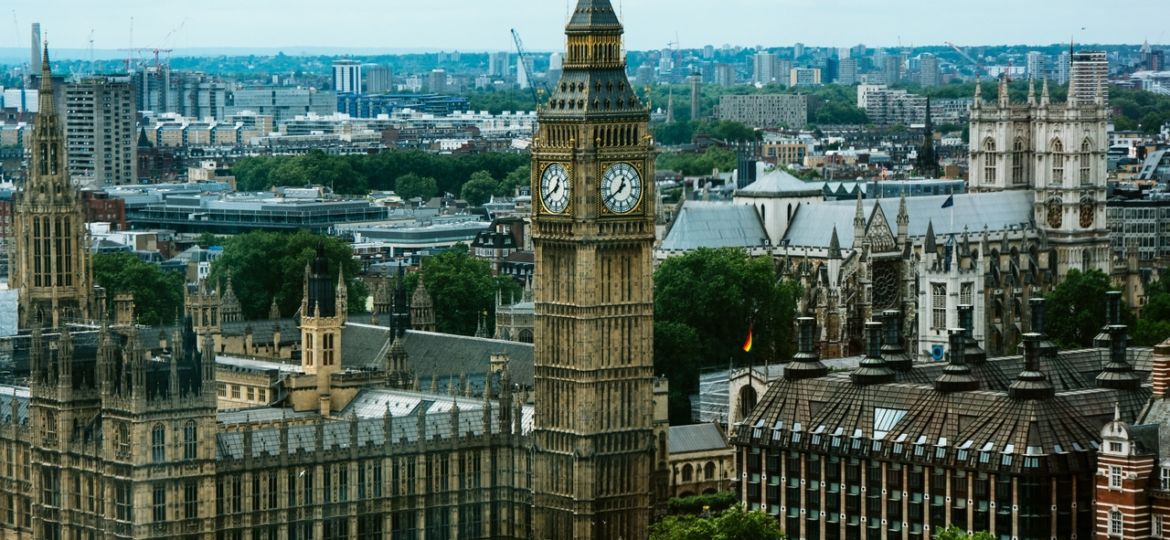
The world entered the COVID-19 pandemic with persistent, pre-existing economic imbalances. Although the economy still coping up with the COVID-19 crisis, the external outlook is highly uncertain.
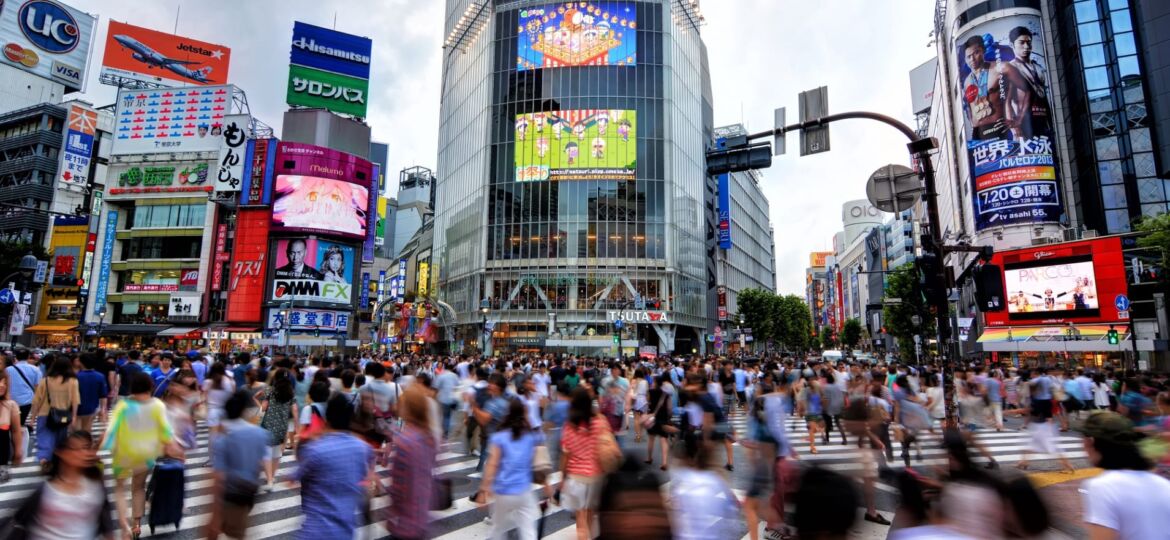
Most of the CEOs of Japan’s companies doubt that the country can engage in a substantial economic recovery before the next two years. The newspaper “Nikkei” writes, which consulted 145 companies in the context of a new telephone survey.
A beginning of a multi-year bull market from the panic lows of March can be ruled out. Traders should remain alert.
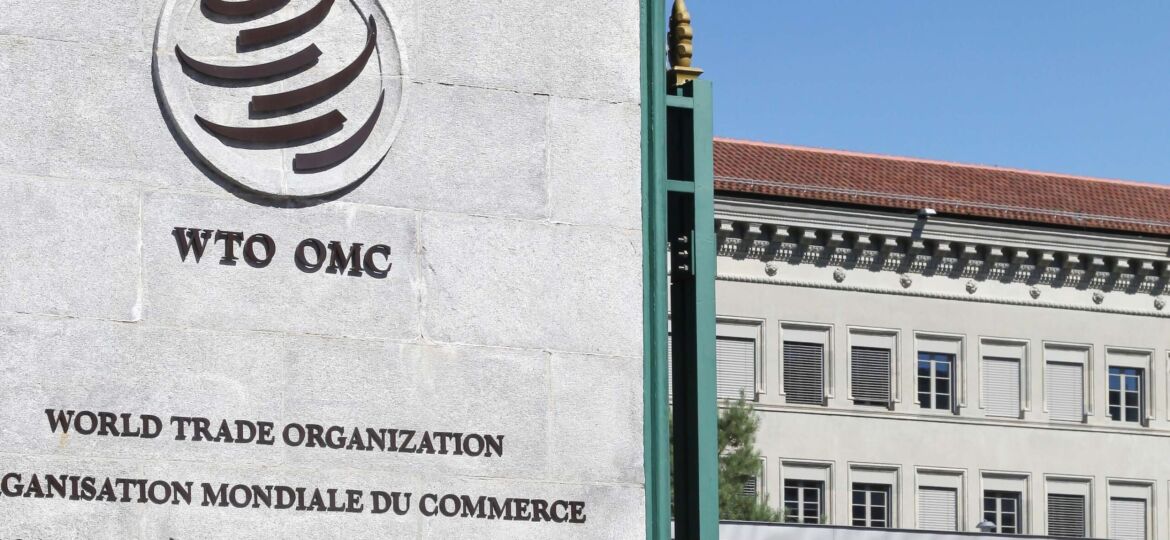
“India’s measure selectively and discriminatorily aims at certain Chinese apps on ambiguous and far-fetched grounds, runs against fair and transparent procedure requirements, abuses national security exceptions and (is suspected of) violating WTO rules,” Ji Rong, spokesman at the Chinese embassy in New Delhi, said in a statement.
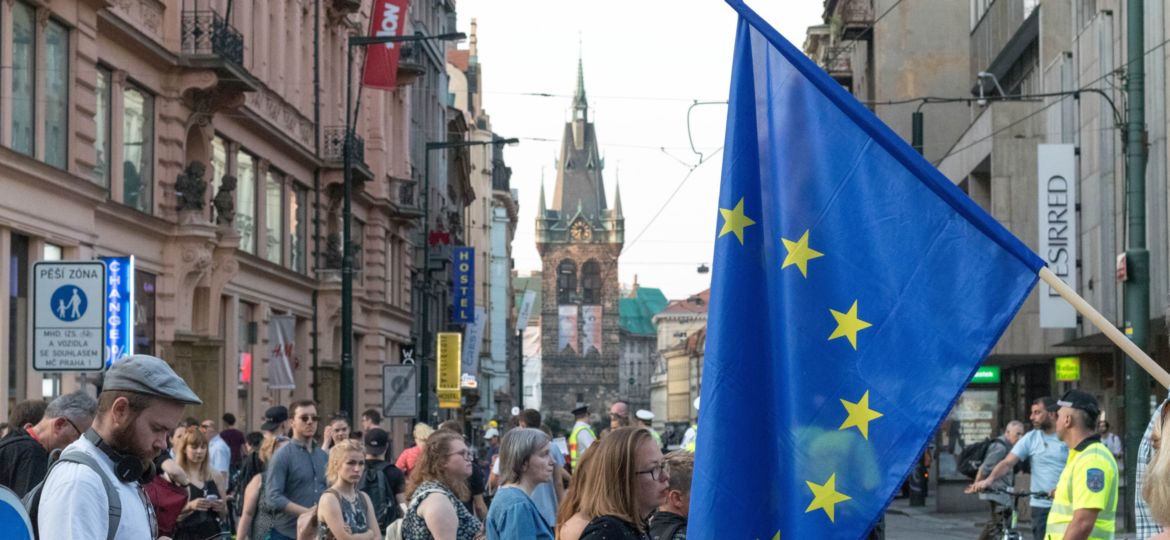
A rain of billions the EU countries had never seen. The cause is the biggest economic crisis since the Great Depression.

While negotiations at the European Council continue unabated, an evident fact emerges from the European session: the current decision-making system is not adequate to deal with relevant and urgent problems.

China was the first country to be affected by the Coronavirus, consequently the first to suffer serious economic repercussions. However, its economic recovery appears to be more than satisfactory.

“The time to buy is when the blood runs in the streets.” This phrase by Nathan Mayer Rothschild, a historic English banker at the turn of the 18th and 19th centuries, always comes to mind whenever a moment of serious economic crisis has to be faced.