

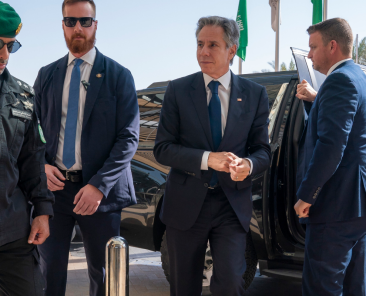
RIYADH – U.S. Secretary of State Antony Blinken arrived in Saudi Arabia on Monday to commence a broader diplomatic mission in the Middle East, with a key focus on the ongoing conflict between Israel and Gaza.
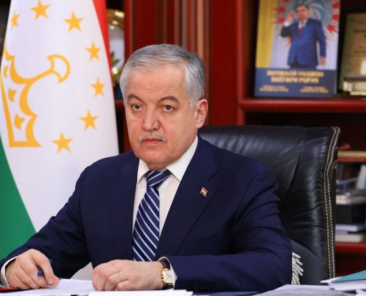
In the wake of a devastating terrorist attack in Moscow and subsequent reports of increasing xenophobia, the Tajikistan Foreign Office has issued an advisory urging its citizens to “temporarily refrain” from traveling to Russia.
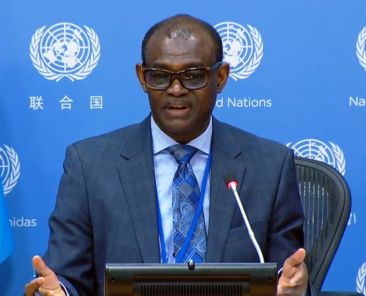
Sudan, a nation with a labyrinthine history of conflict and political upheaval, has once again surfaced in international headlines as its government seeks the intervention of the United Nations Security Council.
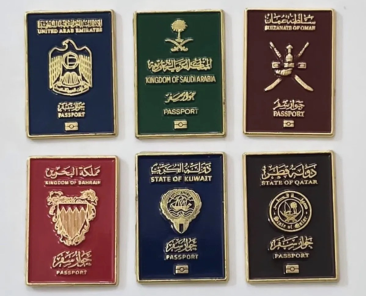
The European Union (EU) has announced a reduction of visa regulations for people of Saudi Arabia, Oman, and Bahrain, which is a noteworthy development, intended to boost ties between the EU and the Gulf countries.
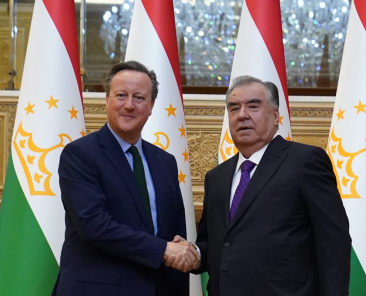
The UK’s Foreign Secretary, Lord David Cameron, has started a major diplomatic mission to Central Asia, marking what he terms a “new era” in relations between Britain and the region, as the geopolitical landscape continues to change and develop in the wake of Russia’s ongoing international challenges.
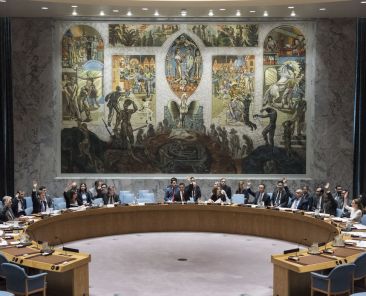
The longstanding Israeli-Palestinian conflict once again took center stage at the United Nations as the Security Council was faced with a historic decision – whether to grant full membership status to the State of Palestine.

Iran’s attack is an extremely skillful geopolitical chess move; it makes Israel vulnerable and places it in a position of international isolation. America loses, Russia wins, and Romania enters the game with the “target” Deveselu!
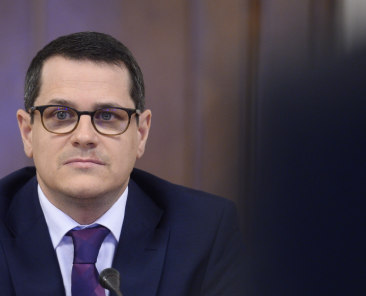
Iran helped the Houthi rebels in Yemen to attack Israel in October. Simultaneously, it assisted Hamas in wreaking havoc by unexpected incursions and missile assaults, prompting a forceful response from Israel.
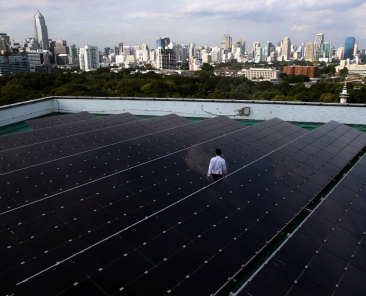
South East Asia’s trajectory towards a greener future is facing significant challenges, according to a report released on Monday by global consultancy Bain & Company.
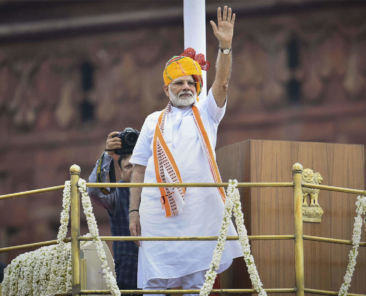
In March of this year, a campaign video released by India’s ruling party presented a compelling narrative that Prime Minister Narendra Modi played a pivotal role in halting the ongoing Russia-Ukraine war two years ago.