The V-shaped reversal of the ruble’s trend in two months and the reasons behind it
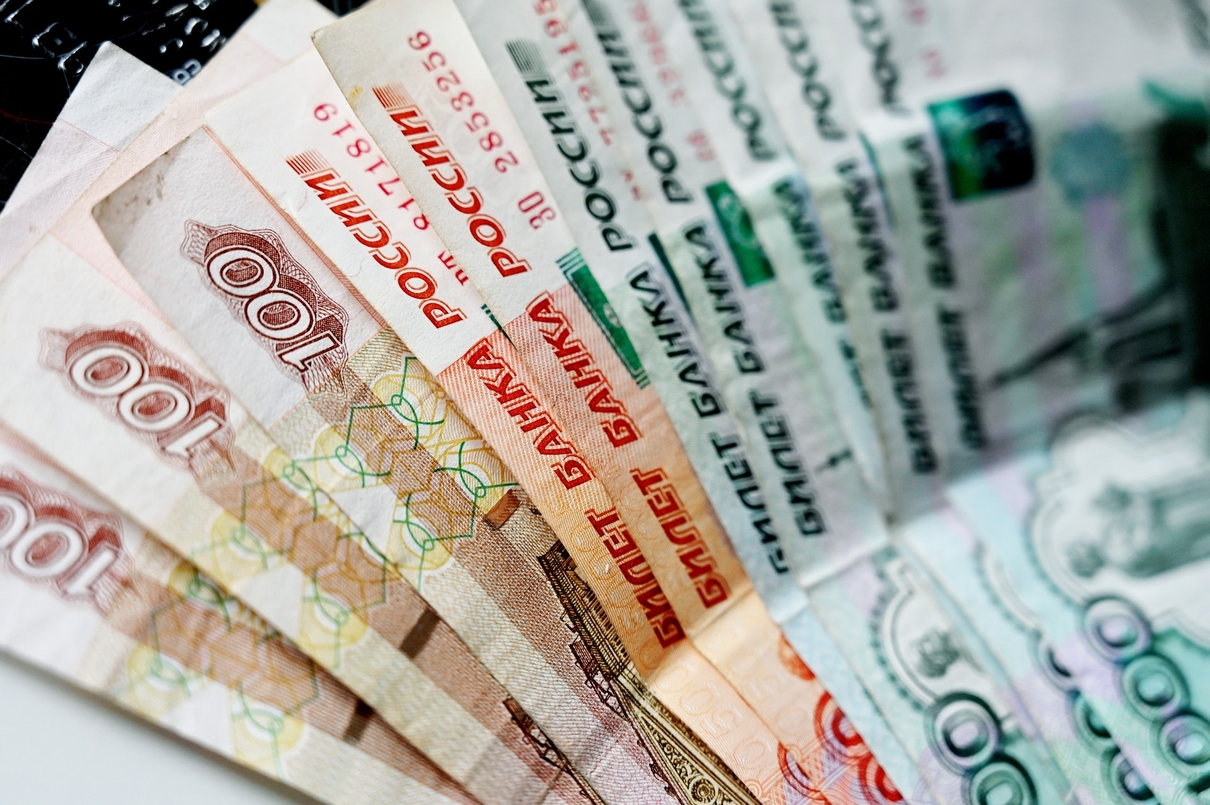
In just over two months, the Russian ruble has made a strong comeback, jumping from the worst-performing currency of the year to the best-performing currency of the year. In March, the ruble fell to a record low of more than 150 rubles to the dollar, the lowest performance among global currencies. From the beginning of the year to March, the ruble depreciated by nearly 85% against the dollar. However, the ruble’s performance has recently seen a major reversal. According to Moscow Exchange data, the ruble has gradually recovered since the beginning of April. As of May 25 local time, the ruble rose above 56 against the dollar, the highest since February 2018. The ruble also rose above 58 against the euro for the first time since June 2015. The latest data show that the Russian ruble has grown more than 31 major global currencies so far this year. Bloomberg said the ruble has risen more than 11 percent against the dollar since the start of the year. In international currency markets, the ruble exchange rate has risen even more so far, by about 12 percent. This means that the ruble has not only regained all the ground lost at the beginning of the year, but also ushered in a comeback, from a plunge of 85% to a surge of 23%, making it the best-performing global currency in the first half of the year in one fell swoop.
So what factors triggered the ruble trend ushered in a V-shaped reversal?
Industry insiders believe that in order to defend the ruble, the Russian central bank’s repeated moves are the most important factors leading to the continued strength of the ruble.
In the face of the strong return of the ruble, the Russian central bank from the fear of ruble devaluation, to quickly intervene to avoid ruble appreciation too quickly. Previously, when the ruble continued to weaken, in order to stabilize market expectations, the Russian central bank took a series of measures to defend the ruble and support its rise. The measures included a sharp interest rate hike from 9.5% to 20%, restrictions on cash withdrawals in foreign currency, and tying gas to the ruble, which curbed capital outflows.
As a result of these measures, many EU countries were forced to settle their imports of Russian oil and gas in rubles, which led to a significant increase in the demand for the ruble and a consequent appreciation of the ruble against other currencies. Tony Sycamore said, “Combined with previous data, about 40% of imported gas from Russia, European countries are deeply dependent on Russian energy. More critically, the eurozone is facing high inflation at this time, with overall inflation up to 7.4%, and core inflation reached 3.4%, far exceeding the 2% target. As a result it is difficult for the eurozone to find cheaper gas from other sources, causing more and more European companies to turn to Russian rubles to pay for gas.” However, on Monday, the Russian Ministry of Finance issued a statement saying that in view of the “stable exchange rate and sufficient level of foreign currency liquidity in the domestic market”, the mandatory settlement of foreign exchange revenue of export traders was reduced from 80% to 50% to reduce the rate of ruble appreciation.
The appreciation of the ruble is a double-edged sword. Short-term appreciation of the ruble will help stimulate imports and reduce inflationary pressures, prevent hyperinflation and protect low-income groups. If Russia fully abolishes capital controls in the future, it will bring the ruble back to the range of 70-80 rubles to the dollar, which will lead to economic development gains in Russia. However, the continuous strengthening of the ruble is detrimental to Russian exporters. Data released by Rosstat on May 18 local time showed that Russia’s economy grew by 3.5% year-on-year in the first quarter, slightly below market expectations of 3.7% and a significant decline from 5% in the fourth quarter of 2021. Therefore, only by keeping the exchange rate within a reasonable range will the currency be able to fully play its regulatory role.
By Josie