By 2050, London’s climate will be as warm as Barcelona’s, says new study
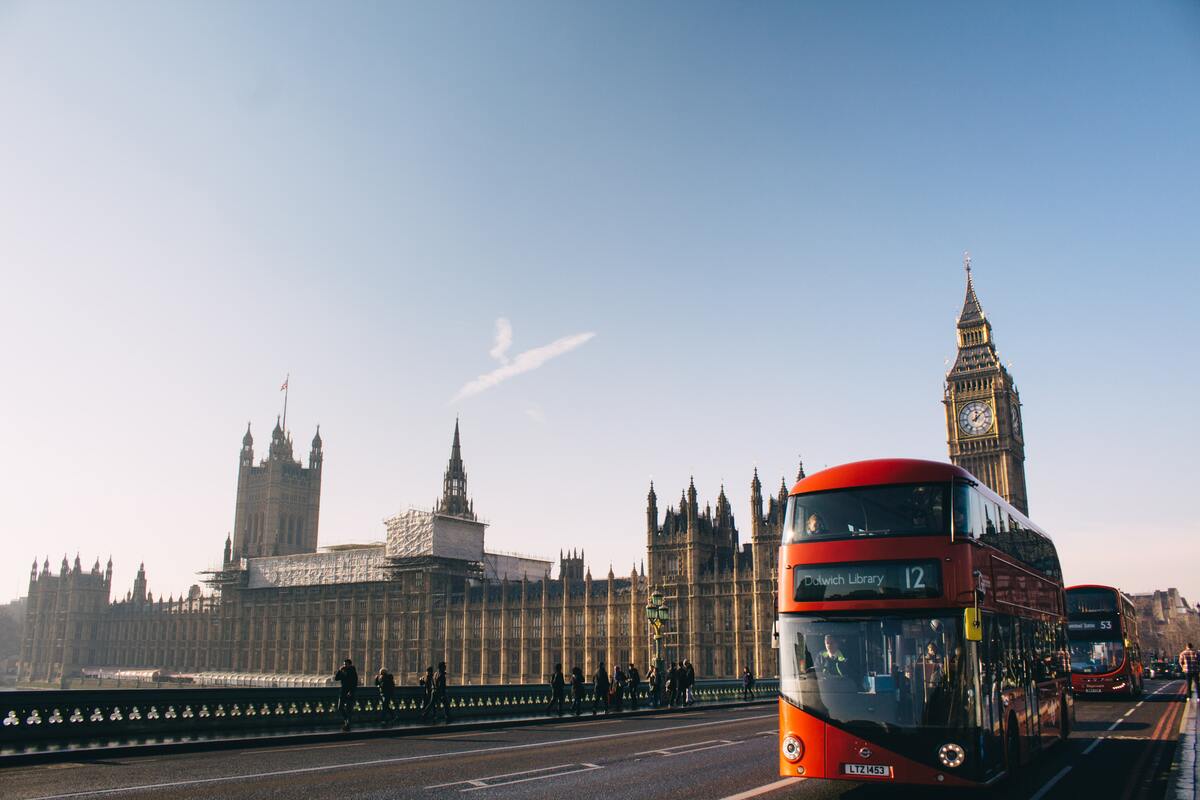
According to a recent climate change research, London’s climate will resemble that of Barcelona by 2050. Think again if this seems like nice warmth. London may face severe drought, like Barcelona experienced in 2008, when it nearly ran out of potable water and reservoirs were virtually depleted. Hundreds of additional big cities throughout the world might face droughts, flooding, storms, and other climatic disasters, according to the Crowther Lab at ETH Zurich. Some of these climatic consequences aren’t even recognized or anticipated now – according to the report, a fifth of cities, including Kuala Lumpur, Jakarta, and Singapore, are confronting circumstances so extreme that they don’t presently exist elsewhere in the globe. The study forecasted future climatic conditions for 520 major cities throughout the world and compared them to current ones. According to the analysis, by 2050, Madrid will feel more like Marrakesh, Seattle will feel more like San Francisco, and New York will feel more like Virginia Beach. According to the report, 77% of cities throughout the world would suffer severe changes in temperature, suggesting “the worldwide extent of this climate change issue and related concerns for human health.”
Northern latitudes, including much of Europe, are likely to see the most drastic temperature shifts, with European cities becoming 3.5 degrees Celsius (6.3 Fahrenheit) warmer in the summer and 4.7 degrees Celsius (8.5 Fahrenheit) warmer in the winter, according to the report.
The warmest month in London, for example, will climb by 5.9 degrees (10.6 Fahrenheit), resulting in an annual temperature gain of 2.1 degrees (3.8 Fahrenheit).
Warming temperatures might increase the spread of infectious illness, jeopardize food security, and lead to water shortages, according to Alex Lo, a senior lecturer in climate change at New Zealand’s Victoria University of Wellington.
“Even though they can’t truly anticipate with great certainty,” Lo added, “my guess is that the major conditions will be temperature and water.”
Rising temperatures and water-related difficulties like as flooding, droughts, typhoons, and severe storms, as well as water insecurity, are the key indicators of climate change worldwide, according to Lo.
The threat is different in tropical locations; temperatures will not rise substantially, but precipitation levels will fluctuate significantly. Wet seasons will get wetter, while dry seasons will become drier, increasing the risk of droughts and floods.
Coastal cities are especially vulnerable to floods, which may destroy buildings, displace citizens, and jeopardize infrastructure such as urban transit networks, according to Lo.
This tendency of extreme wet and dry seasons is already seen in certain nations, such as India, which is suffering from acute water scarcity. The annual monsoon rains arrived weeks late in some regions this year, exacerbating statewide droughts and left people desperate for drinking water. When the monsoon rains do arrive, they are so heavy and fast that cities flood, killing dozens.
It may be even more difficult for these tropical towns to prepare for a future of climate change; 64% of the cities facing unknown, currently non-existent climate conditions are in the tropics.
According to some analysts, these new conditions might lead to mass migrations as cities become unlivable.
“It is tougher to tell whether people will be able to adapt and stay in these places without the benefit of knowing that the new climate conditions are already liveable anywhere in the world,” Richard Betts, chair of climate effects at the University of Exeter, told the Science Media Center.
A new UN assessment warned that climate change might push more than 120 million people into poverty over the next decade, creating a “‘climate apartheid’ scenario in which the rich pay to avoid overheating, famine, and violence while the rest of the world suffers.”
This is evident in drought-stricken Indian cities such as Chennai and Mumbai, where wealthy people can afford to buy private water tankers while low-income citizens must queue for hours outside for government tankers.
By Yimeng CHEN