Scroll Top

Assessing the Trade Relations between China and the European Union
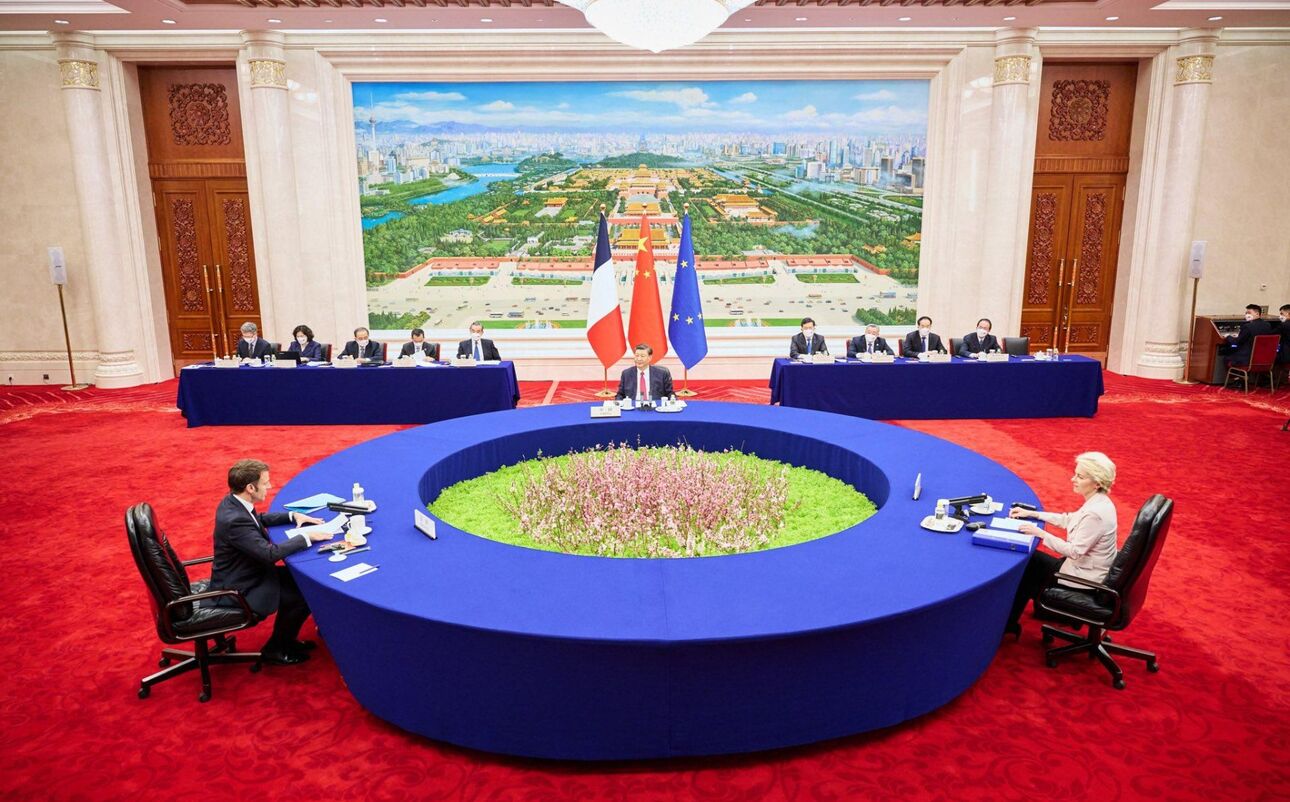
Photo: Reuters

The trade relations between China and the European Union (EU) have become increasingly significant in recent decades. As two major global economic powers, their economic cooperation has both created opportunities and raised challenges. China and the EU have witnessed a substantial growth in trade volume over the years. The EU is China’s largest trading partner, while China is the EU’s second-largest trading partner after the United States. Bilateral trade between China and the EU reached an impressive €586 billion in 2020, despite the COVID-19 pandemic’s adverse impact on global trade. The EU primarily exports machinery, vehicles, and chemicals to China, while China exports a wide range of goods to the EU, including machinery, electronic equipment, and textiles. Investment flows between China and the EU have also seen a significant boost. Chinese investments in the EU have surged, particularly in sectors such as energy, infrastructure, and advanced manufacturing. Similarly, European investments in China have been substantial, with various European companies establishing a presence in China to tap into its large consumer market. However, concerns remain regarding market access restrictions and the protection of intellectual property rights, which have occasionally strained the investment climate.

Market access has been a persistent challenge in China-EU trade relations. European businesses have raised concerns about issues such as non-tariff barriers, forced technology transfers, and the lack of a level playing field. These concerns, coupled with regulatory challenges, have led to calls for greater reciprocity and fair competition in the Chinese market. Conversely, China has expressed concerns about the EU’s trade defense measures, particularly in sectors such as steel and telecommunications. Disputes have arisen over anti-dumping measures and the classification of China as a non-market economy. These issues have occasionally led to trade tensions and the imposition of tariffs, hindering the smooth flow of goods between the two economies. Nevertheless, both sides have recognized the importance of maintaining constructive dialogue and engagement to address these challenges. The EU and China have engaged in negotiations and dialogues to enhance market access, address investment concerns, and ensure a level playing field for businesses. The conclusion of the EU-China Comprehensive Agreement on Investment (CAI) in December 2020 was seen as a significant step toward improving market access and investment protection.
The future of China-EU trade relations holds both promise and uncertainty. The COVID-19 pandemic has highlighted the interdependence of global economies and the need for cooperation. China’s commitment to economic liberalization and its focus on domestic consumption-led growth provide opportunities for European businesses to expand their presence in the Chinese market. At the same time, geopolitical tensions, differing economic systems, and concerns over human rights and intellectual property rights protection pose challenges. The EU, with its emphasis on fair competition, transparency, and sustainability, aims to ensure a level playing field in its trade relations with China. The EU’s new strategy on China, unveiled in 2019, emphasizes a balanced approach that combines engagement and reciprocity. The EU and China have demonstrated their commitment to dialogue and engagement by negotiating agreements such as the CAI, which aims to improve market access and investment protection. These efforts reflect the recognition of the importance of maintaining a constructive and mutually beneficial trade relationship. Looking ahead, the future of China-EU trade relations will depend on various factors, including the geopolitical landscape, economic policy decisions, and the resolution of outstanding issues. Both sides need to work towards fostering transparent, fair, and sustainable trading environment that benefits businesses, consumers, and economies on both sides. Given the scale of their economies and their global influence, China and the EU have the potential to shape the international trade landscape. By addressing challenges, embracing cooperation, and promoting open and rules-based trade, they can set an example for global economic integration and contribute to shared prosperity. In conclusion, while there are hurdles to overcome, the trade relations between China and the European Union offer substantial opportunities for economic growth and cooperation. With continued efforts and a commitment to addressing challenges, both sides can forge a stronger and more balanced trade relationship that benefits their respective economies and contributes to global trade stability.
By Sara Colin

Related Posts