The Complex Neutrality: China’s Position in the Russian-Ukrainian War
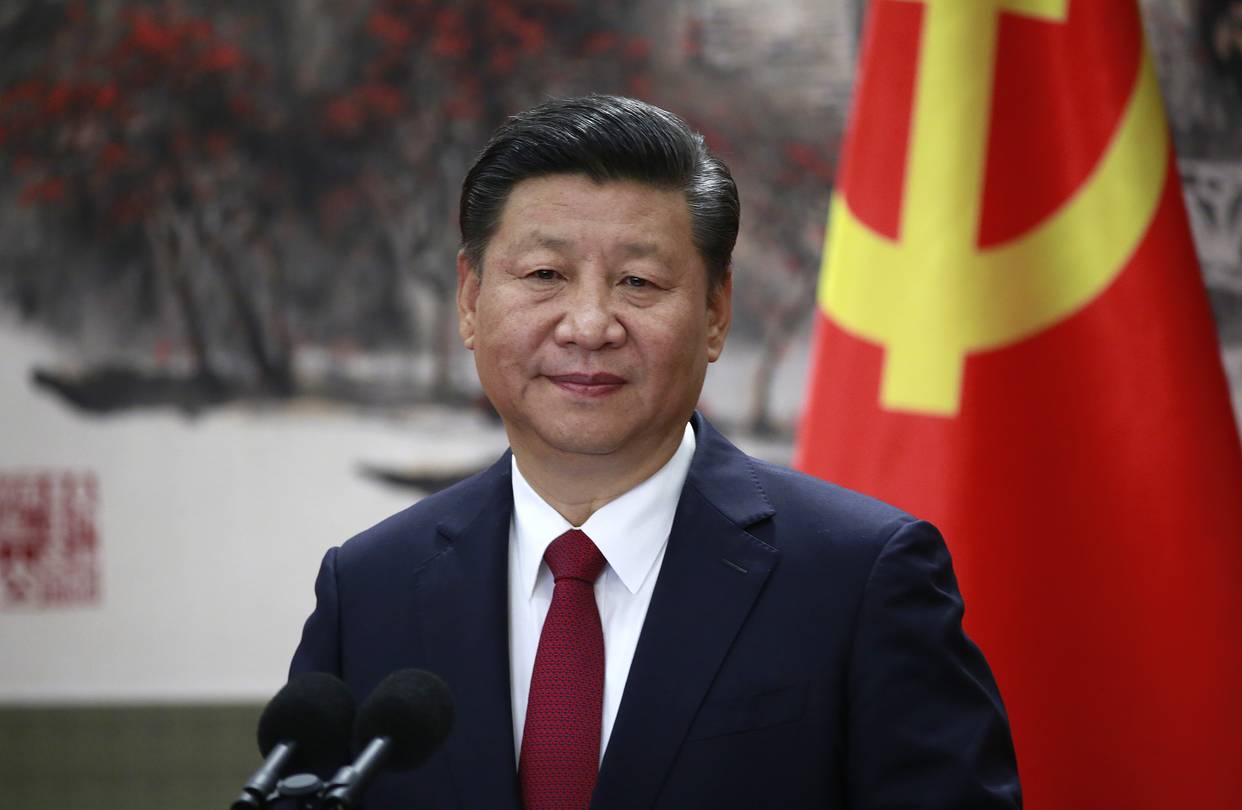
Photo: Reuters
The Russian-Ukrainian war, which has been ongoing since 2014, has drawn international attention and generated complex geopolitical implications. One of the most intriguing stances comes from the People’s Republic of China. As a global superpower with significant geopolitical interests, China’s position has been notably neutral. China and Russia share a strong bilateral relationship, anchored by their shared interest in challenging the U.S-led world order. Both countries have deepened their ties on several grounds, including economic, technological, and military cooperation. Furthermore, they share a common interest in constructing an alternative global order that could counterbalance Western dominance. Therefore, it seems logical to assume that China would support Russia in any geopolitical conflict. However, the Russian-Ukrainian war has put China in a delicate situation. Despite their shared interests and close relationship, China has been careful to maintain a neutral stance on the Russian-Ukrainian conflict to balance its global relationships and protect its strategic interests. China’s official position on the Russian-Ukrainian war has been consistent: it calls for respect for Ukraine’s sovereignty and territorial integrity, peaceful dialogue and negotiation to resolve disputes, and the importance of maintaining regional peace and stability. Yet, it refrains from openly condemning Russia’s actions, reflecting a delicate balancing act.