Scroll Top

The Strength of the Swiss Franc: Factors and Influences
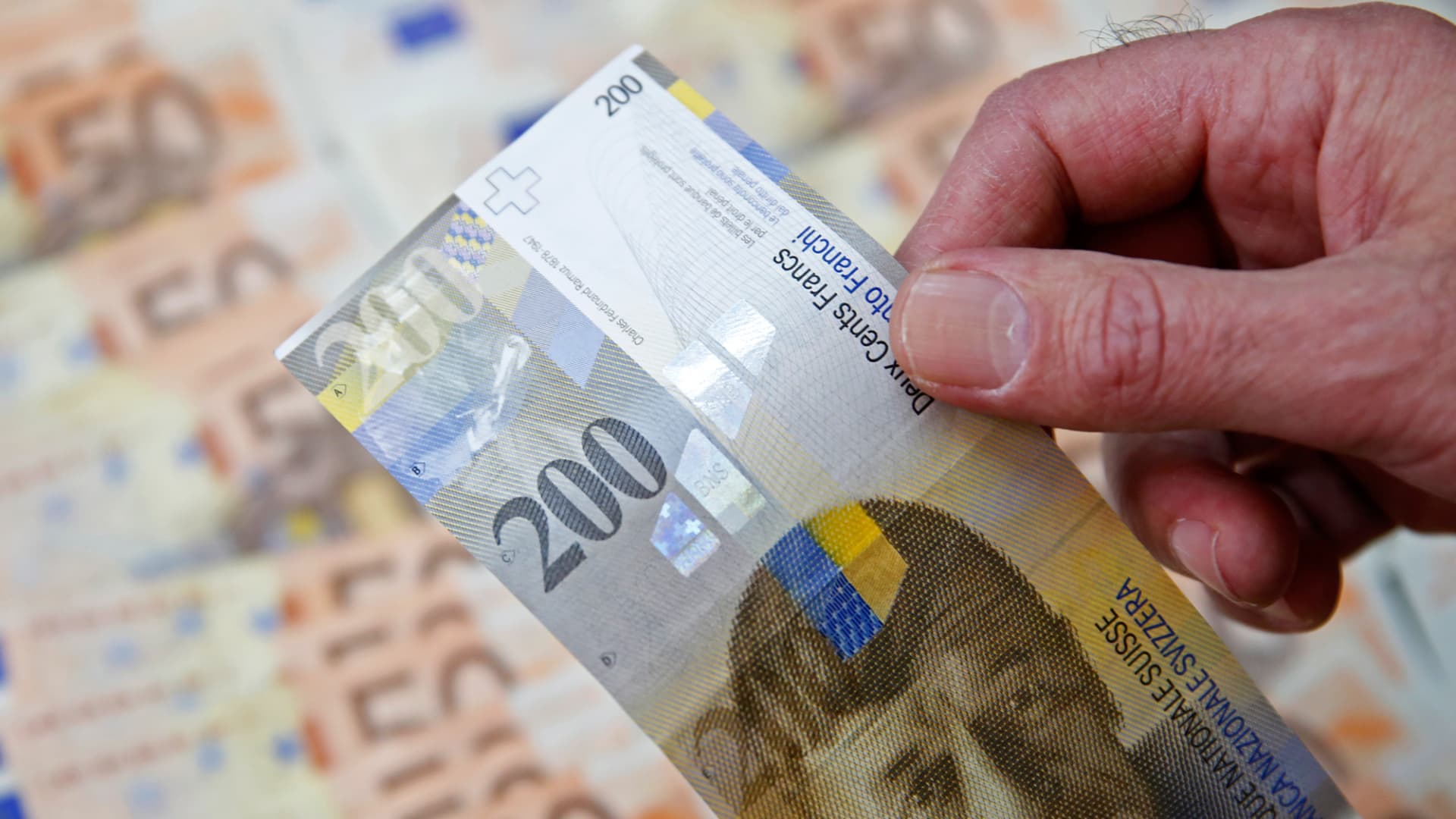
Photo: Reuters

The Swiss franc (CHF) is globally recognized as a robust and stable currency, often considered a safe haven during financial turbulence. This strength is tied to multiple factors, including Switzerland’s political stability, economic resilience, and prudent monetary policies. Switzerland is renowned for its political stability, which contributes significantly to the strength of the Swiss franc. The country operates under a federal directorial republic, which divides the federal government’s power among the Federal Assembly, the Federal Council, and the Federal Court. This division of power fosters a reliable and predictable political environment that investors appreciate. Switzerland’s neutrality, reflected in its non-alignment with any military bloc, also enhances its political stability, making it a safe haven for financial resources, particularly in times of international conflict. Switzerland’s economy, one of the world’s most competitive, also plays a crucial role in bolstering the Swiss franc. The Swiss economy is incredibly diverse, with key sectors including manufacturing, services (particularly financial services), and tourism. The Swiss manufacturing industry, especially the watchmaking and precision-machinery sectors, are globally renowned, while the country’s banking and finance sector is a significant contributor to the global financial system.


Importantly, Switzerland has a robust and resilient economy with a high GDP per capita, low unemployment rate, and a balanced budget. This economic strength provides a solid foundation for the Swiss franc, instilling confidence among investors and currency traders. The Swiss National Bank (SNB) is praised for its prudent and effective monetary policy, which contributes to the Swiss franc’s strength. The central bank has a mandate to ensure price stability while taking the country’s economic situation into account. To fulfill this mandate, the SNB uses various tools, such as interest rates and market interventions, to control inflation and stabilize the franc.  The SNB’s commitment to maintaining low inflation has been crucial in maintaining the Swiss franc’s purchasing power. Moreover, the bank’s readiness to intervene in foreign exchange markets to prevent excessive appreciation of the Swiss franc has helped maintain its stability, reinforcing its status as a safe-haven currency. Switzerland’s strong legal framework and low levels of corruption are additional factors contributing to the strength of the Swiss franc. The country is known for its robust legal system, strong property rights, and effective enforcement of contracts, which create a favorable environment for businesses and investors. Furthermore, Switzerland’s low corruption levels, as consistently reported by Transparency International’s Corruption Perceptions Index, enhance its reputation as a safe and reliable place for financial transactions. The strength of the Swiss franc is a product of various interlinked factors, including political stability, economic resilience, prudent monetary policies, and a strong legal framework with minimal corruption. These elements have collectively earned the Swiss franc its status as one of the world’s most reliable currencies. However, this strength also comes with challenges, such as the risk of overvaluation, which the Swiss National Bank must manage to maintain a balanced economy. Despite these challenges, the Swiss franc’s underlying strength is a testament to Switzerland’s overall stability and prosperity, making it a perennial favorite among investors and currency traders alike.
By Sara Colin

Related Posts