The Stifling Impact of Houthi Rebel Attacks on Global Commerce
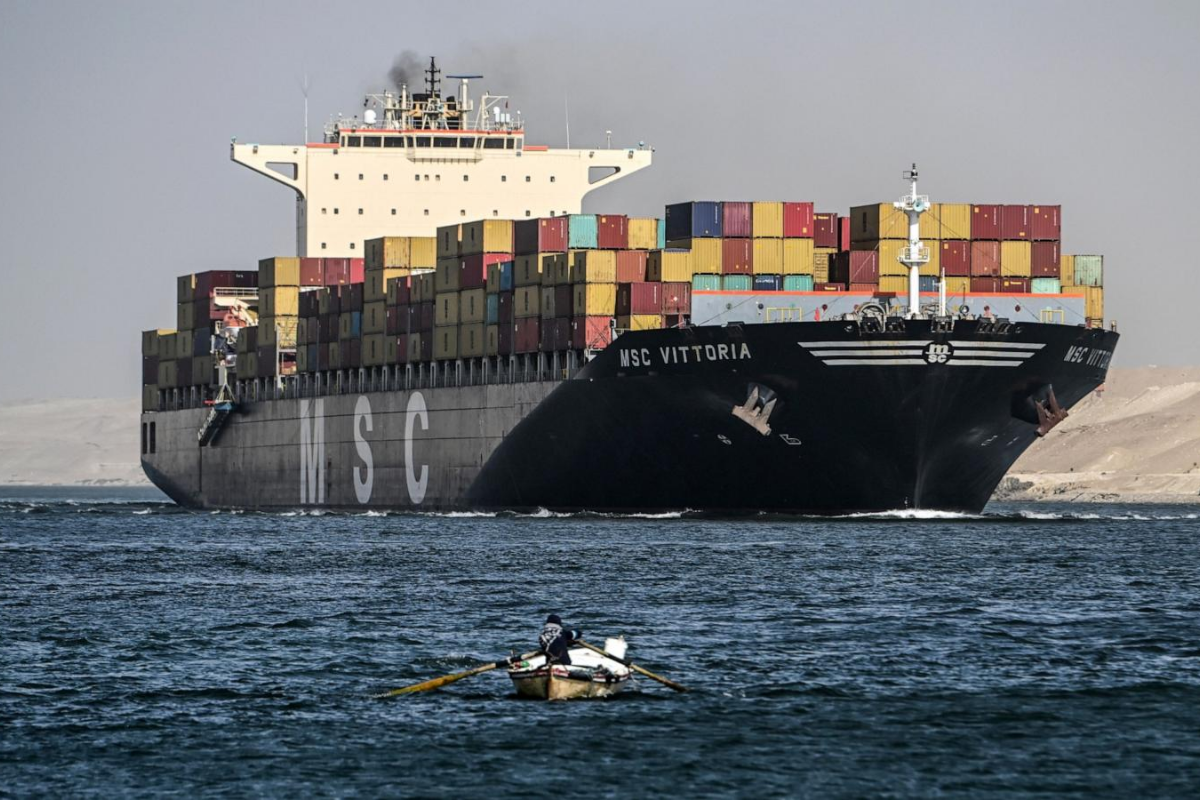
Photo: AFP
The Red Sea, a crucial maritime route that connects the Mediterranean Sea to the Indian Ocean via the Suez Canal, has long been a linchpin in the global trade network. However, the increasing frequency of Houthi rebel attacks on cargo ships, employing sophisticated drone technology, has sparked concern amongst international trade communities and policymakers. These disruptions pose a significant threat to the global economy, with ramifications that extend far beyond the immediate security concerns in the region. The Houthi movement, an insurgent group originating from Yemen, has intensified its maritime operations, targeting commercial vessels traversing the Red Sea. This strategic body of water sees the passage of approximately 10% of global trade, making it a critical artery for the transportation of oil, grains, and other commodities. The implications of these attacks are manifold, with immediate effects on shipping insurance rates, global oil prices, and supply chain stability. Firstly, the attacks have led to a surge in insurance premiums for cargo ships transiting the Red Sea corridor. Underwriters are now demanding higher risk premiums to cover the increased likelihood of disruptions and potential losses. These additional costs inevitably trickle down the supply chain, affecting exporters, importers, and ultimately, consumers. Increased shipping costs can lead to higher retail prices for goods, contributing to inflationary pressures in an already delicate global economic environment. Moreover, the maritime route is particularly vital for the transport of Middle Eastern oil to European and North American markets. Even a temporary blockade of the Red Sea could result in significant increases in global oil prices, as traders would be forced to reroute around the Cape of Good Hope, substantially increasing transit times and costs. This would have a cascading effect on energy markets and industries dependent on petroleum products, exacerbating the volatility in a world still grappling with the economic aftermath of the COVID-19 pandemic.
Furthermore, the threat posed by the Houthi rebels extends to the Suez Canal, which is a crucial chokepoint for global trade. An uptick in maritime insecurity could lead to a reduction in canal traffic, prompting shippers to seek alternative routes and disrupting established trade patterns. This disruption can cause delays in the delivery of goods, leading to shortages and further supply chain instability. The repeated targeting of cargo vessels also signals a broader geopolitical instability in the region, which can deter foreign investment and impact economic growth. The Red Sea region’s nations, including Egypt, Saudi Arabia, and Sudan, rely on the security of this maritime route for their economic well-being. Persistent conflict and threats to navigation can undermine these countries’ efforts to attract investment and foster economic development. In response to the threats posed by the Houthi drone attacks, the international community has considered various measures to safeguard maritime traffic. Naval escorts, increased surveillance, and diplomatic efforts to resolve the underlying conflict have been proposed. However, these measures come with their own set of challenges and costs, which further complicate the situation. The Houthi attacks on cargo ships in the Red Sea underline the vulnerability of global trade to regional conflicts. Despite the localized nature of the insurgency, the repercussions are felt worldwide, affecting economies and consumers far removed from the conflict zone. The international community must address these disruptions with urgency, recognizing the interconnected nature of global commerce and the shared interest in maintaining open and secure maritime trade routes. The Houthi rebel attacks on cargo ships in the Red Sea represent a perilous escalation in the ongoing conflict in Yemen, with significant consequences for the global economy. The increased risk associated with shipping in this vital route heightens the cost of trade, disrupts the flow of essential commodities, and injects uncertainty into an already strained international economic system. The vulnerability of the maritime industry to asymmetric warfare tactics, such as drone strikes, has been starkly exposed by these incidents. Shipping companies must now navigate not only the natural challenges of maritime transport but also the geopolitical risks that have become more pronounced in this strategic corridor. The need for enhanced security measures, whether through increased naval presence, technological solutions, or more comprehensive intelligence-sharing among nations, is crucial to mitigate the risk of further disruptions. Additionally, there is a broader concern over the potential for escalation. Should these attacks result in significant damage or loss of life, the international response could lead to a wider regional conflict, which would have dire implications for global trade. The strait of Bab-el-Mandeb, a chokepoint at the southern end of the Red Sea, is particularly sensitive; its closure would have immediate and severe consequences for global shipping routes. The economic impact of these disruptions also extends to less obvious sectors. For instance, food security can be compromised as grain shipments from the Black Sea region, which pass through the Red Sea to reach markets in Asia and Africa, are endangered. This poses a direct threat to vulnerable populations already facing food scarcity, and could lead to social unrest and further destabilization in these regions. The international community’s response to the threat posed by the Houthi rebels in the Red Sea has significant implications for the future of global trade security. A coordinated, multinational approach that addresses both the symptoms of maritime insecurity and the underlying political crisis in Yemen is essential. Without a lasting resolution to the conflict, the threat to the Red Sea trade route remains, and with it, the specter of far-reaching economic turbulence. In the interim, shipping companies and nations reliant on this maritime corridor must adapt to the evolving security landscape. This may mean rerouting ships, which carries economic penalties, or investing in new security measures to protect vessels transiting the region. The additional costs will likely be passed on to consumers, affecting global markets and potentially slowing economic growth. Ultimately, the Houthi rebel attacks in the Red Sea underscore the fragility of globalized trade systems and the importance of maintaining secure and open maritime routes. The international community must work toward a comprehensive solution that not only addresses immediate security concerns but also seeks to resolve the underlying conflict. Failing to do so could result in prolonged economic disruption, with the potential to impact economies around the world and the daily lives of people far removed from the conflict itself.
By Roberto Casseli