Assessing the Financial Dynamics of NATO in Light of Trump’s Recent Statement
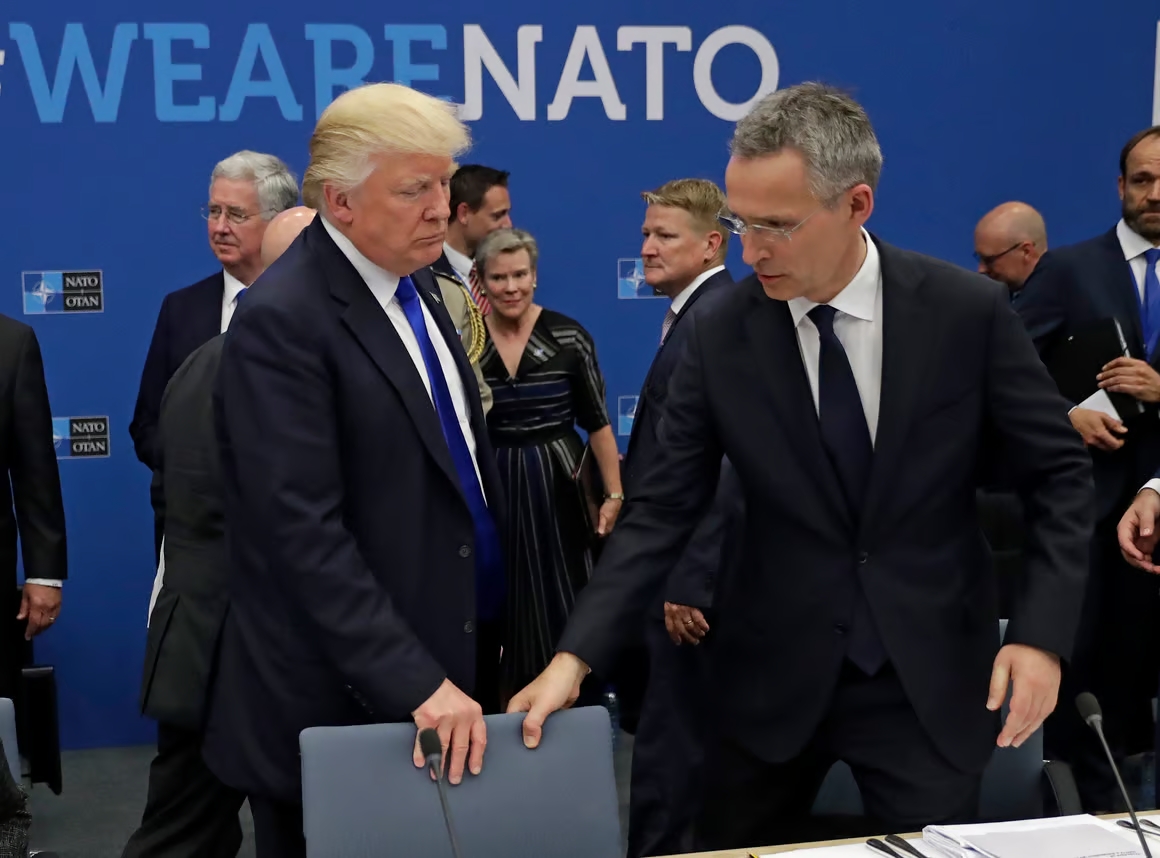
Photo: AFP
In a recent statement that has sent ripples through the diplomatic community, former U.S. President Donald Trump has reignited the debate over the financial commitments of NATO member states. Trump’s assertive stance that the United States cannot continue to shoulder the financial burden for the security of some NATO allies has raised serious questions about the future of the alliance’s collective defense agreement, especially in the face of potential military conflicts with adversaries like Russia. The North Atlantic Treaty Organization (NATO), established in 1949, was founded on the principle of collective defense, meaning an attack against one ally is considered an attack against all allies. The financial aspect of this pact involves two primary elements: direct and indirect contributions. Direct contributions fund the operational costs of NATO’s headquarters, strategic commands, and common-funded capabilities. Indirect contributions, on the other hand, are the national defense expenditures that each country undertakes, which are expected to support the alliance’s overall strategic objectives. In 2006, NATO set a guideline for member countries to spend at least 2% of their Gross Domestic Product (GDP) on defense. As of my last update in April 2023, not all member states were meeting this target, causing a strain within the alliance regarding burden-sharing. Donald Trump has long been a vocal critic of NATO allies’ defense spending, arguing that the U.S. is disproportionately funding the alliance. His recent statement posits that the financial commitment of the U.S. to NATO is unsustainable and pushes for other member states to increase their defense budgets to relieve the U.S. of its perceived excessive contributions. This stance is not without precedent in Trump’s political history. During his presidency, Trump frequently pressured NATO allies to boost their defense spending, warning that the U.S. might scale back its support if they failed to do so. His latest remarks suggest a continuation of this policy approach, albeit from a post-presidential platform.