Scroll Top

Russian Parliament to Vote on Suspension from OSCE Parliamentary Assembly Amid Ongoing Ukraine Conflict

Photo: AFP

On February 21, the Russian Duma, the lower house of the Federal Assembly of Russia, is set to vote on whether the nation will suspend its participation in the Parliamentary Assembly of the Organization for Security and Cooperation in Europe (OSCE). The announcement was made by the President of the Duma on Tuesday, signaling a significant move amidst the ongoing tension in Eastern Europe following Russia’s military invasion of Ukraine. The OSCE, a key intergovernmental organization dedicated to security, democracy, and human rights, comprises 57 member states, including Ukraine, the United States, and Russia. It operates on the principle of consensus, where each member country has the power to exercise a veto over the organization’s decisions. This consensus-based decision-making process aims to ensure that all member states have an equal voice in the OSCE’s operations and commitments. However, since the outset of the conflict in Ukraine, the OSCE’s activities have faced substantial challenges due to the disagreements among its member states. Russia’s use of its veto right has been a point of contention, effectively stalling the organization’s ability to respond collectively to the crisis in Ukraine.
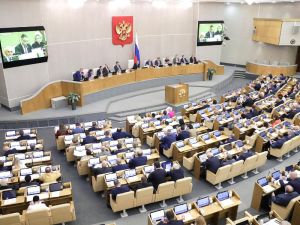
The Russian Duma’s upcoming vote on suspending participation in the OSCE Parliamentary Assembly is a response to what Russia perceives as a biased stance against it by other member states in light of the conflict. The suspension would mark a further escalation in the diplomatic fallout from the Ukraine invasion, highlighting the deepening divide between Russia and other international actors.
The announcement has drawn reactions from various capitals around the world, with some expressing concern over the potential impact on dialogue and conflict resolution mechanisms. The OSCE has historically played a role in mediating conflicts and promoting dialogue among its members, and Russia’s suspension could further complicate these efforts.
Critics of the move argue that suspending participation in the OSCE Parliamentary Assembly may isolate Russia from important discussions about security and cooperation in Europe. They contend that engagement, rather than withdrawal, is crucial during times of heightened tension and conflict.
Supporters of the suspension, on the other hand, argue that the current environment within the OSCE is unproductive for Russia, given what they see as a prejudiced environment that fails to take into account Russia’s security concerns and perspectives on the Ukraine conflict.
As the date of the vote approaches, the international community is closely watching the developments, which could have significant implications for the OSCE’s future and the broader landscape of European security and diplomatic relations. The decision by the Russian Parliament will likely reverberate through the corridors of power in Europe and beyond, as countries grapple with the consequences of Russia’s potential suspension from the OSCE Parliamentary Assembly.
By Cora Sulleyman

Related Posts