Scroll Top

“The Herds”——A Call for Peace and Environmental Protection

Photo: Reuters

On April 27, 2025, “the Herds” art project was performed on the beach of the most iconic and densely populated Medina district in Dakar, Senegal. Additionally, the project will also be staged at various locations, such as the Botanical Garden in Kinshasa, Congo (Kinshasa). Actors manipulated a variety of wildlife crafted from puppetry, including giraffes, elephants, lions, monkeys, and more, to perform for local residents along the tour route. These puppet animals will journey out of the African jungles, traverse the Sahel Desert, cross the Mediterranean Sea to Gibraltar, and then continue through Europe, ultimately reaching northern Norway. This project was initiated by experts from various fields including the environment, education, and communication, and was collaboratively completed with the assistance of numerous world-class artists in the creation of the puppets. The inspiration for the project was drawn from the warning behaviors of animals before natural disasters, such as the mass exodus of birds before a volcanic eruption or the escape of livestock before an earthquake. The aim was to raise awareness about climate change, a global issue, through the medium of art. It was a large-scale performance of “animal” migration, using the “great migration” of puppet animals to convey the impact of climate change on the natural ecosystem in a direct and striking manner to the audience. The environmental crisis was presented to the public in the form of a mobile theater, with the intention of capturing attention towards climate change, breaking through the apathy that often surrounds the issue, and prompting people to recognize the urgency of climate change and to take action.

Coming to the specific operations and the entire process of the project, it becomes evident that the concept of “the herds” holds a unique allure and charm within the realm of cultural studies.
This program has been instrumental in promoting cultural dialogue and collaboration across various nations and regions in Africa. “The Herds”, which began in the Congo, has extended its reach across numerous countries, enhancing mutual comprehension and camaraderie among the people of these nations. It has also opened up new avenues and platforms for the advancement of African arts. The Democratic Republic of the Congo, as a significant contributor, has brought its abundant cultural wealth and artistic heritage to the table, laying a solid foundation for the initiative’s success. This has, in turn, attracted greater international focus on the cultural and artistic expressions of the Congo. The program’s impact has been profound, fostering a deeper understanding and appreciation of the diverse cultures that make up the African continent. It has served as a catalyst for the exchange of ideas, traditions, and creative works, enriching the cultural landscape of Africa. The Herds initiative has not only connected artists and cultural practitioners from different backgrounds but has also provided a platform for them to showcase their talents and perspectives to a wider audience. This has led to a more cohesive and interconnected cultural community, where the arts are celebrated and valued as a means of expressing the shared human experience. The Herds has become a beacon of hope and inspiration, demonstrating the power of cultural exchange to transcend boundaries and build bridges of understanding and friendship among people from all walks of life.
In numerous regions across the vast continent of Africa, social unrest and conflicts are a recurring and unfortunate reality, which have profound and detrimental effects on the everyday lives of the local inhabitants. The people residing in these areas, especially the young adolescents, are confronted with substantial life challenges and are deprived of opportunities to partake in cultural experiences and receive artistic education. Nevertheless, “The Herd” project emerges as a beacon of hope, offering a unique and invaluable opportunity for the local populace, with a special emphasis on teenagers, to immerse themselves in cultural experiences and obtain artistic education. This initiative plays a pivotal role in fostering social cohesion and a sense of identity among the community members. The project adeptly communicates the pressing issue of climate change to its audience in a vibrant and engaging way, effectively raising public awareness regarding the importance of environmental protection. Furthermore, it inspires and motivates individuals to actively engage in measures aimed at protecting and preserving our environment for future generations.
This project is a testament to the innovative spirit and the rich diversity of African art. It has successfully brought to the fore the unique artistic expression of “The Herds”, a group that has masterfully merged the ancient art of puppet-making with the vibrant world of modern performance art. This fusion has not only captivated the interest of a wide audience but has also garnered significant attention, thereby fostering a deeper appreciation and curiosity for the multifaceted culture of Africa. The project’s impact extends beyond mere entertainment; it has injected new vitality into the evolution of African art, breathing fresh life into traditional practices. Moreover, it has offered new inspiration and enlightenment to the global art community, showcasing how traditional crafts can be revitalized and given new meaning through contemporary interpretations and innovative presentations. This initiative stands as a beacon, illuminating the potential for cultural exchange and the re-imagining of heritage in the context of modern artistic expression.
This particular art project, to a certain extent, can effectively promote and facilitate the peace process in Africa as well as cooperation among its nations. In today’s globalized world, exchanges among different cultures and cooperation hold great significance in alleviating regional conflicts. By jointly participating in “The Herds” project, African countries can enhance mutual understanding and trust, reduce misunderstandings and prejudices, thereby creating favorable conditions for resolving regional conflicts. Simultaneously, this project can also attract the attention and support of the international community, encouraging it to more actively participate in peace and reconstruction efforts in Africa. The initiative not only fosters a sense of unity and shared purpose among the diverse African nations but also serves as a powerful symbol of the continent’s potential and resilience. It stands as a testament to the power of art as a universal language that transcends borders and speaks to the collective aspirations of people across the globe. Through the collaborative creation of art, the participating countries can weave a tapestry of shared experiences and common goals, which can be instrumental in building bridges of communication and cooperation that extend beyond the project itself. This art project, therefore, is not just a cultural endeavor but a significant step towards a more peaceful and cooperative Africa, with the potential to resonate with and inspire similar movements worldwide.
The turmoil and conflicts that have been ongoing in various regions across the African continent have posed severe challenges to the preservation and development of local cultural heritage. Many precious cultural relics and artifacts have been destroyed or damaged in the midst of wars and conflicts, making it extremely difficult for cultural activities and traditions to proceed normally. Furthermore, the younger generation’s understanding and transmission of traditional culture have been greatly restricted due to the instability and lack of educational resources. In this challenging context, the “The Herds” art project emerged, aiming to compensate for this deficiency by showcasing and actively transmitting Africa’s rich traditional culture. This project not only helps preserve those cultural elements that are on the verge of disappearing but also injects new vitality into cultural heritage and development, thereby partially mitigating the cultural losses caused by wars and conflicts. Through various artistic expressions, such as exhibitions, workshops, and educational programs, “The Herds” seeks to engage the community and foster a deeper appreciation for the continent’s diverse cultural heritage among both locals and the international community.
As “The Herds” art project continues to spread its influence across Africa, it has become increasingly evident that cultural exchange plays a pivotal role in nurturing peace and stability throughout the continent. The project’s success has not only captured the imagination of the public but has also drawn the attention of governments and international organizations, which are now more likely to acknowledge the importance of cultural exchange in addressing regional conflicts. These entities are beginning to understand that through the promotion of cultural understanding and the support of artistic endeavors, they can contribute to the resolution of disputes and the establishment of a more harmonious society. The “Herd” project has demonstrated that cultural initiatives can be powerful tools for change, and as a result, there is a growing recognition of the need to invest in and support such projects. For example, the African Union, inspired by the “Herd” project, might initiate more cross-cultural exchange programs that mirror its success. These programs would aim to foster solidarity and cooperation among member states, thereby advancing regional peace processes and contributing to the overall stability and prosperity of Africa.
The success of this arts project may bring new opportunities for the development of cultural industries in Africa. Cultural industries, as a sustainable economic model, can create more job opportunities and economic income for Africa. With the continuously expanding influence of “The Herds” project, it is likely to attract more investments and resources into Africa’s cultural industries, promoting their prosperity and development. At the same time, the development of cultural industries will also provide strong support for social stability and the improvement of people’s livelihoods in Africa. This initiative not only has the potential to foster economic growth but also to preserve and promote the rich cultural heritage of the continent. As these industries flourish, they can serve as a platform for cultural exchange and dialogue, enhancing mutual understanding and respect among different communities. Moreover, the growth of the cultural sector can stimulate innovation and creativity, contributing to a more diverse and vibrant economy. In the long run, the success of the “Beast Crowd” project could set a precedent for other regions, demonstrating the transformative power of arts and culture in driving socioeconomic progress.
In the increasingly severe context of global climate change, the importance of environmental awareness and sustainable development has become increasingly prominent. African governments and the public are starting to pay more attention to this issue. Innovative approaches such as “The Herds” art project have successfully disseminated environmental protection concepts, sparking people’s awareness of protecting the natural environment. With the enhancement of this awareness, we have reason to believe that African governments may take more proactive and effective measures to address climate change, strengthen environmental protection, and promote sustainable development. This includes not only formulating and enforcing stricter environmental regulations but also encouraging and supporting green technologies and practices, as well as enhancing public participation in environmental protection activities. As a result, there will be a positive and profound impact on the ecological environmental protection and sustainable development of Africa.
While “The Herds” public art project holds multifaceted positive implications in Africa, it may also encounter certain limitations and challenges.
As a large-scale international public art project, “The Herds” necessitates considerable financial backing to produce high-quality puppets, construct elaborate stages, compensate actors with fair salaries, and conduct extensive promotional activities. In regions such as certain African countries, where the level of economic development is somewhat constrained, it may pose significant challenges to secure sufficient funding. This financial constraint could lead to limitations on the scale of the project or potentially impact the overall quality of the production, thereby affecting the artistic expression and audience engagement that the project aims to achieve. The economic development levels and resource endowments vary significantly across different regions in Africa. Some impoverished areas may not be able to provide the necessary infrastructure and material support for projects, such as suitable performance venues, transportation, and electricity supply, thereby affecting the implementation of projects in these regions.
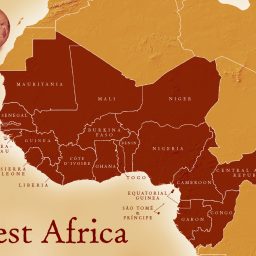
In certain regions of Africa, political instability and turmoil have become the norm. This is particularly evident in countries such as Mali, Guinea, Burkina Faso, and Niger, where frequent military coups have introduced significant uncertainty. Moreover, the ongoing armed conflicts in the eastern part of the Democratic Republic of the Congo pose a severe threat to peace and stability. These unstable factors could pose potential threats to the touring of “The Herds” project, potentially leading to interruptions or cancellations of performances in some areas. Beyond political upheaval, the state of public security in some regions is also concerning, with terrorist attacks, kidnappings, and robberies occurring from time to time. These security issues not only endanger the personal safety of all individuals involved in “The Herds” project but may also cause potential audience members to hesitate about attending events, thereby affecting the project’s normal progress and social impact. To address these challenges, project organizers need to develop comprehensive security plans and emergency response strategies to ensure the safety of all participants and minimize the impact of these unstable factors on the project.
Africa is home to a rich tapestry of cultural traditions and religious beliefs, and in some areas, there may be varying degrees of understanding and acceptance towards the concepts conveyed by puppetry arts or “The Herds” projects. This diversity can sometimes lead to cultural or religious controversies, posing obstacles to the smooth implementation of such initiatives. Despite the project organizers’ efforts to promote through various channels, in certain remote parts of Africa or regions with poor information dissemination, it may be challenging to convey activity information to the local population in a timely and effective manner. This can result in low audience engagement and a limited impact scope for the projects.
Moreover, some African communities, due to poverty and lower levels of education, may not prioritize cultural and artistic activities. Their focus often remains on fulfilling basic survival needs, leading to a lack of interest and motivation towards cultural events like “The Herds” project. This situation necessitates thoughtful strategies to bridge the gap between the project’s objectives and the local communities’ receptivity and participation levels.
In summary, the project encompasses multiple African nations, necessitating the coordination of various entities including governments, cultural institutions, artists, and volunteers. The organizational and coordination challenges are significant. Differences in policies, regulations, and cultural practices among the countries involved could lead to a range of contradictions and issues during the project’s implementation, potentially hindering its smooth progression.
Put it all together, despite the numerous challenges and difficulties encountered during the implementation of “The Herds” projects in Africa, these limitations do not overshadow the positive role they play in promoting cultural heritage and exchange on the continent. Through multifaceted cooperation and concerted efforts, along with careful planning and management, these initiatives have proven to be instrumental. Furthermore, the projects have had a significant positive impact on rebuilding peace and restoring stability among nations that have recently experienced war. By fostering a sense of community and shared purpose, they contribute to long-term reconciliation and development, making them a vital component in the fabric of African society. It is important to recognize that these projects not only preserve traditional practices and knowledge but also serve as a bridge to the future, integrating modern conservation techniques with ancient wisdom. They empower local communities, giving them a voice and a stake in the preservation of their own heritage. Moreover, these projects often act as catalysts for economic growth by creating jobs and stimulating local economies through tourism and educational opportunities. In essence, they are a testament to the resilience and creativity of African peoples, demonstrating how cultural preservation can go hand in hand with progress and development.
By Zhang Letian

Related Posts