Ankara New Diplomatic Strategy
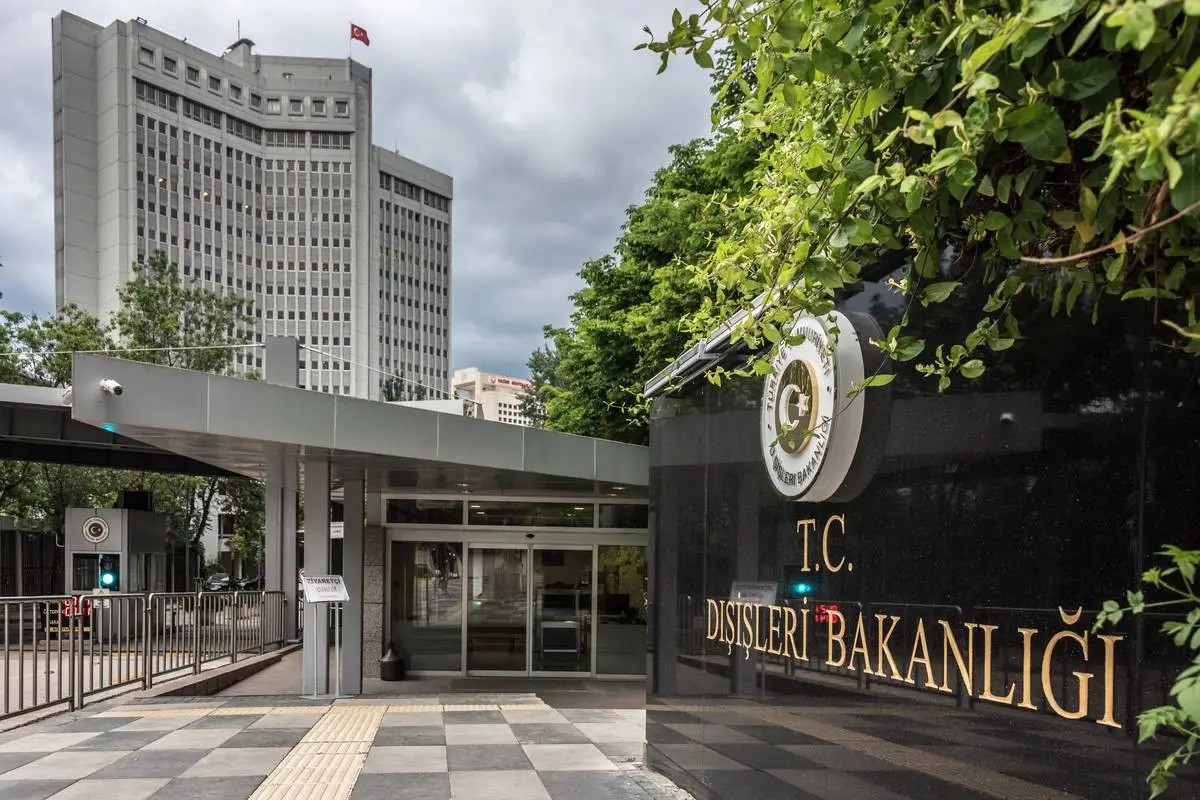
Photo: AFP
Turkey, prepared for a new role in the system of international relations, is progressively expanding its circle of friends. Historically aligned with the West, Turkey is now seeking a transformative approach in its alliance relationships. This shift comes amidst a backdrop of evolving geopolitical landscapes and Ankara’s ambitions to assert a more autonomous stance on the global stage. While the country has always valued its alliances, particularly with Western powers, recent years have seen a reevaluation of these relationships in light of criticism toward NATO’s counter-terrorism policies and broader tensions concerning Turkish national interests. The relationship between Turkey and its traditional Western allies, particularly the United States and European Union, has experienced significant strain, notably after 2013. Disagreements have ranged from human rights issues to Turkey’s military operations in neighboring regions. One of the most contentious points has been Ankara’s criticism of NATO’s stance on counter-terrorism. Turkey has argued that the alliance’s approach does not fully address its security concerns, particularly regarding the threats it faces on its southern borders. This stance has often put Turkey at odds with fellow NATO members, leading to a reevaluation of its role and contributions within the organization. Moreover, the deterioration of relations with some Arab countries has added complexity to Turkey’s regional diplomacy. Historically, Turkey has had fluctuating relations with its Middle Eastern neighbors, influenced by ideological, territorial, and security considerations. The Arab Spring and its aftermath have particularly highlighted these complexities, as Turkey’s support for certain political movements led to tensions with countries like Egypt and the United Arab Emirates.