Scroll Top

European Leaders Reach Consensus on Key EU Appointments
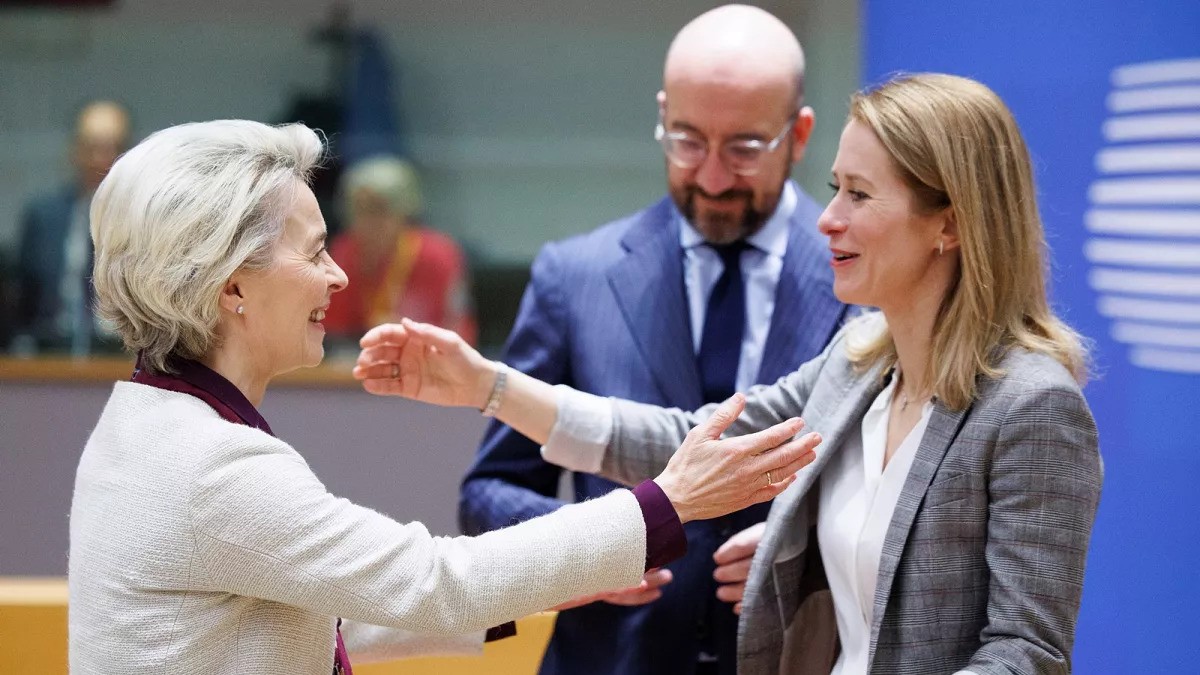
Photo: Reuters

Ahead of the forthcoming European summit in Brussels, leaders of the European Union have agreed on how to divide up senior managerial positions within EU institutions, which is a significant development. Ursula von der Leyen has been nominated for a second term as President of the European Commission as a consequence of the politically fraught discussions. This choice is a part of a larger accord that also names Estonian Prime Minister Kaja Kallas as the High Representative for Foreign Affairs and Security Policy and former Portuguese Prime Minister António Costa as President of the European Council. The agreement comes as the EU prepares for a critical summit on Thursday and Friday, where leaders will finalize decisions regarding the occupation of key positions following the European parliamentary elections held from June 6-9. The timing of this consensus is crucial, as it sets the stage for a cohesive and unified leadership structure within the EU, crucial for addressing the bloc’s pressing challenges.
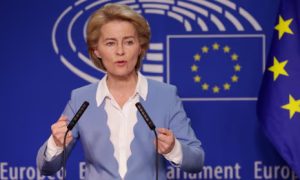
Ursula von der Leyen, a seasoned politician and member of the European People’s Party (EPP), has been nominated for a new mandate as President of the European Commission. Her leadership over the past term has been marked by efforts to navigate the EU through turbulent times, including the COVID-19 pandemic, Brexit, and growing geopolitical tensions. To secure this position, von der Leyen will need a “consolidated qualified majority” from European leaders, which requires the support of at least 20 out of the 27 member states, representing at least 65% of the EU’s population.
With 13 of the 27 EU leaders coming from parties affiliated with the EPP, von der Leyen’s reappointment appears promising. However, she will need to garner broader support across the political spectrum to meet the majority threshold.
As part of the deal, António Costa, the former Portuguese Social Democrat Prime Minister, has been appointed as the President of the European Council. Known for his pragmatic approach and ability to build consensus, Costa’s leadership will be instrumental in steering the EU through its future political and economic challenges.
Kaja Kallas, the liberal Prime Minister of Estonia, is set to become the High Representative for Foreign Affairs and Security Policy. Kallas’s appointment brings a fresh perspective to the EU’s foreign policy, especially given her experience and stance on digital innovation and security. Her leadership will be pivotal in shaping the EU’s external relations amid a rapidly changing global landscape.
This strategic distribution of roles is expected to foster a balanced and effective governance structure within the EU. The leaders’ consensus underscores a commitment to political stability and unity, which is essential for the EU’s ability to respond to both internal and external challenges.
The forthcoming summit will be a critical juncture where these nominations will be formally endorsed and further steps will be taken to solidify the leadership framework. As the EU moves forward, the collaboration between von der Leyen, Costa, and Kallas will be closely watched as they navigate the complexities of European and global politics.
The agreement on these key appointments marks a significant milestone in the EU’s efforts to maintain a stable and effective leadership structure. As Ursula von der Leyen seeks reappointment, alongside the new roles for António Costa and Kaja Kallas, the EU is poised to tackle future challenges with a renewed sense of purpose and direction. The upcoming summit in Brussels will be a pivotal moment in confirming these leaders and setting the course for the EU’s strategic priorities in the years to come. 
By Roberto Casseli

Related Posts