Spectacular Auroras Expected as Powerful X-Class Solar Flare Strikes Earth
Photo: unsplash.com
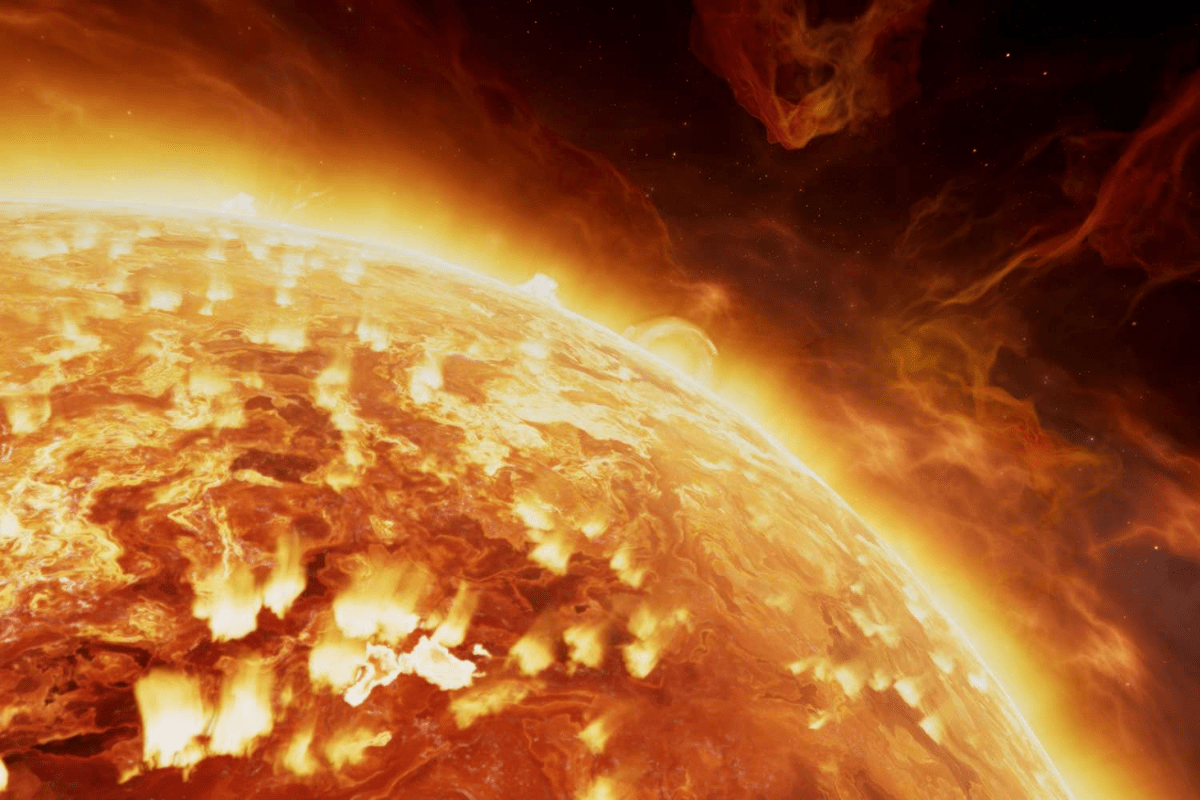
This weekend, skywatchers might be in for a mesmerizing display as a powerful solar event promises to light up the night sky. On Tuesday evening, around 20:00 CET, the Sun unleashed an X-class solar flare—the most intense category of solar flares—near its stellar equator. With an estimated magnitude of X7.1, this event marks the second-largest solar outburst of the current solar cycle, which began in 2019. Solar flares are intense bursts of radiation caused by the release of magnetic energy from the Sun. Classified into categories A, B, C, M, and X, with X being the most potent, these flares can significantly affect Earth’s magnetosphere. The flare’s magnitude—X7.1 in this case—indicates a particularly powerful event, capable of producing widespread geomagnetic disturbances on Earth.
NASA has reported that the radiation from this recent solar flare is expected to affect parts of Earth’s atmosphere. One immediate concern is the potential for temporary power outages across large areas of the Pacific Ocean, including Hawaii. Such disruptions occur when solar radiation interferes with satellites and power grids, highlighting the interconnectedness of our technological infrastructure and space weather.
One of the most captivating consequences of solar flares is the aurora borealis (in the Northern Hemisphere) and aurora australis (in the Southern Hemisphere). When charged particles from the Sun collide with Earth’s magnetic field, they create stunning displays of light in the sky. This upcoming geomagnetic storm is anticipated to generate auroras visible at much lower altitudes than usual, offering a rare treat for observers far from the polar regions.
Auroras occur when energetic particles from the Sun travel along Earth’s magnetic field lines and collide with gases in the atmosphere, such as oxygen and nitrogen. These collisions release energy in the form of light, creating the vibrant colors associated with auroras. Typically seen near the poles, auroras can occasionally be observed further afield during strong solar storms like the one expected this weekend.
While the prospect of witnessing a dazzling aurora is exciting, it’s important to consider the broader implications of such a solar event. Power companies and satellite operators are likely taking precautions to mitigate potential disruptions. The aviation industry, too, remains vigilant, as solar flares can affect navigation and communication systems.
This recent X-class flare serves as a reminder of the immense power of our Sun and its ability to influence our planet. As we continue to rely heavily on technology, understanding and predicting space weather becomes increasingly crucial. Researchers and space agencies around the world are constantly monitoring solar activity to better prepare for events like these.
As the weekend approaches, many will look skyward in hopes of catching a glimpse of the aurora’s ethereal glow. Whether you find yourself under shimmering skies or merely aware of the Sun’s distant influence, this event underscores the dynamic relationship between our planet and its star. Both a spectacle and a challenge, solar flares remind us of the delicate balance we maintain with the cosmos.
Amid the literal pandemic and the bad shape of the economy, Nepal has a new obstacle to fight against. Landslides set off by heavy rainfall this weekend and killed many people and left many more missing in a hilly region of Nepal that borders Tibet.
As the sun rises over the western horizon of Saudi Arabia on Friday, June 14, a profound sense of unity and spiritual reflection envelops the air. More than one and a half million worshippers
Ethiopia, located in the northeastern part of Africa, is a diverse and culturally rich country known for its ancient history, stunning landscapes, and vibrant traditions.
An undersea volcano in the Kingdom of Tonga, an island located in the South Pacific, has erupted several times since January 14, triggering tsunamis that have affected the entire Pacific region. Both Internet and communication networks in this country were shut down after fiber-optic cables were damaged in the eruption.
Amman — United Nations Secretary-General Antonio Guterres, in a stern warning issued from Amman on Monday, stressed the urgent need for a ceasefire in the Gaza Strip amidst escalating tensions and potential military actions.
International trade financing is the sum of financial facilities provided by banks for importers and exporters in all aspects of international settlement.
Israeli police arrested Zvika Klein, who serves as editor-in-chief of *The Jerusalem Post*, on suspicion of having been in contact with a foreign agent.
A record number of aid workers are being killed, and the laws written to shield them are being quietly renegotiated by the very governments that drafted them.
In recent years, the state of our environment has become a pressing issue, with challenges such as climate change, deforestation, and biodiversity loss threatening the delicate balance of our planet.
Nestled among the Alps, Switzerland is a small but economically powerful nation. Often admired for its breathtaking landscapes, the country’s economic system is equally awe-inspiring
The 14th Meeting of the Conference of Leaders of the Pacific Community (SPC) commenced in the Kingdom of Tonga, chaired by His Royal Highness Tupoutoʻa ʻUlukalala, the Crown Prince and Minister of Foreign Affairs.
Chicago Board of Trade corn, wheat and soybean futures prices were mixed on the 29th. On that day, the Chicago Board of Trade corn market, the most actively traded December contract closed at $6.2 per bushel
While the current coronavirus pandemic continues to endanger millions of lives around the world, there was an enormous decline in CO2 emissions in the first half of 2020 — higher than during the 2008 financial crisis, the 1979 oil crisis, or even World War II.