EXCLUSIVE: Washington and Moscow Explore Nord Stream Revival in a Postwar Energy Deal
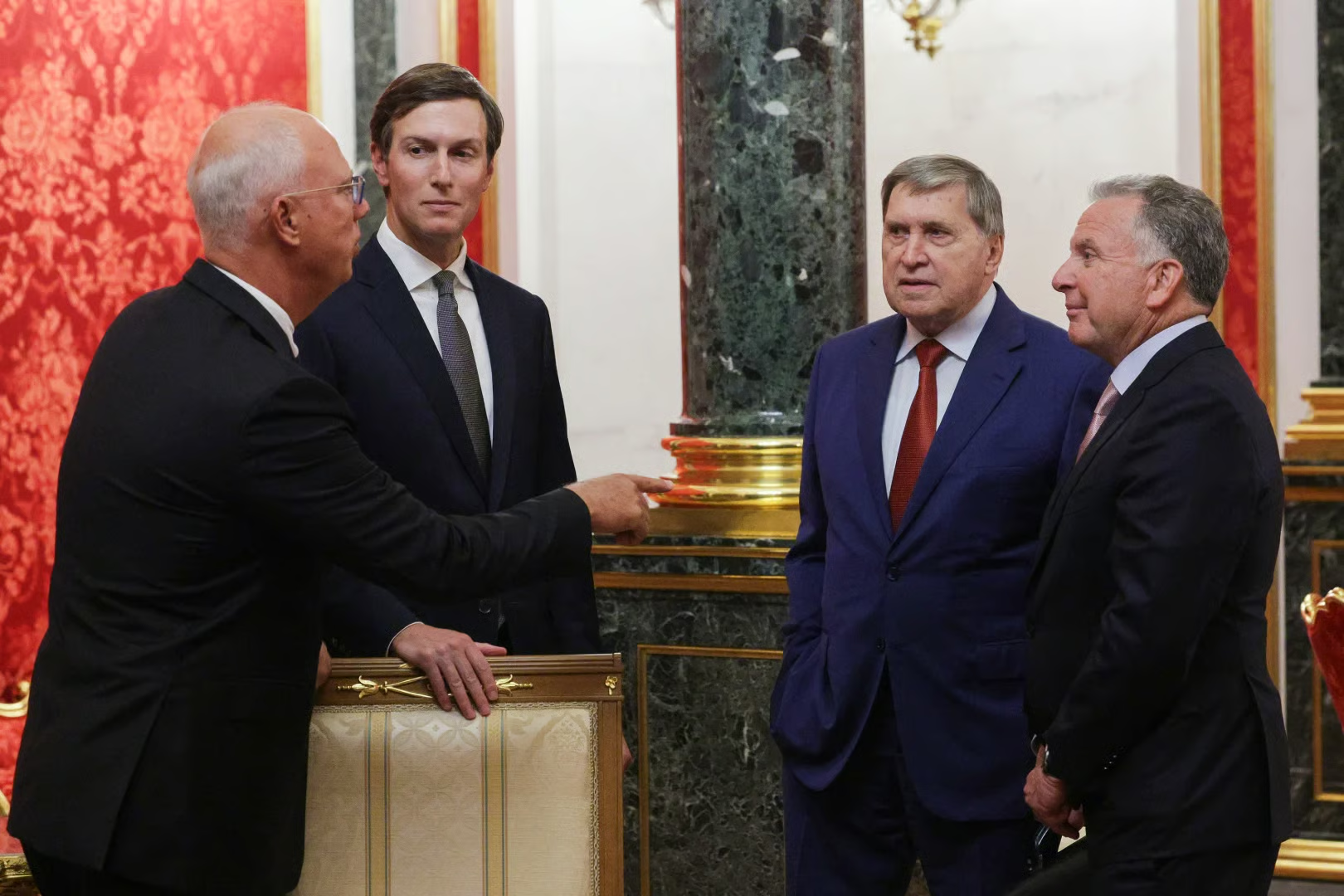
A pipeline that became one of the defining symbols of Europe’s rupture with Russia may yet become one of the instruments through which Washington and Moscow attempt to construct the peace that follows it. Senior American and Russian officials have discussed bringing a United States investor into the Nord Stream gas pipeline system and potentially restoring Russian gas deliveries to Europe after the war in Ukraine ends, according to Reuters, which cited five people with knowledge of the talks. The discussions have involved Jared Kushner, President Donald Trump’s son-in-law and special envoy, and Kirill Dmitriev, the Kremlin’s special representative for investment and economic cooperation and one of Vladimir Putin’s most important economic interlocutors with Washington.
The Diplomatic Affairs has separately confirmed with two independent sources close to President Trump that discussions concerning a possible American role in the future of Nord Stream have taken place. Both sources spoke on condition of anonymity because they were not authorized to discuss the negotiations publicly. Neither described a finalized agreement, and both stressed that any eventual arrangement would depend on the end of the war, sanctions relief and a political settlement capable of making renewed energy trade with Russia legally and diplomatically possible.
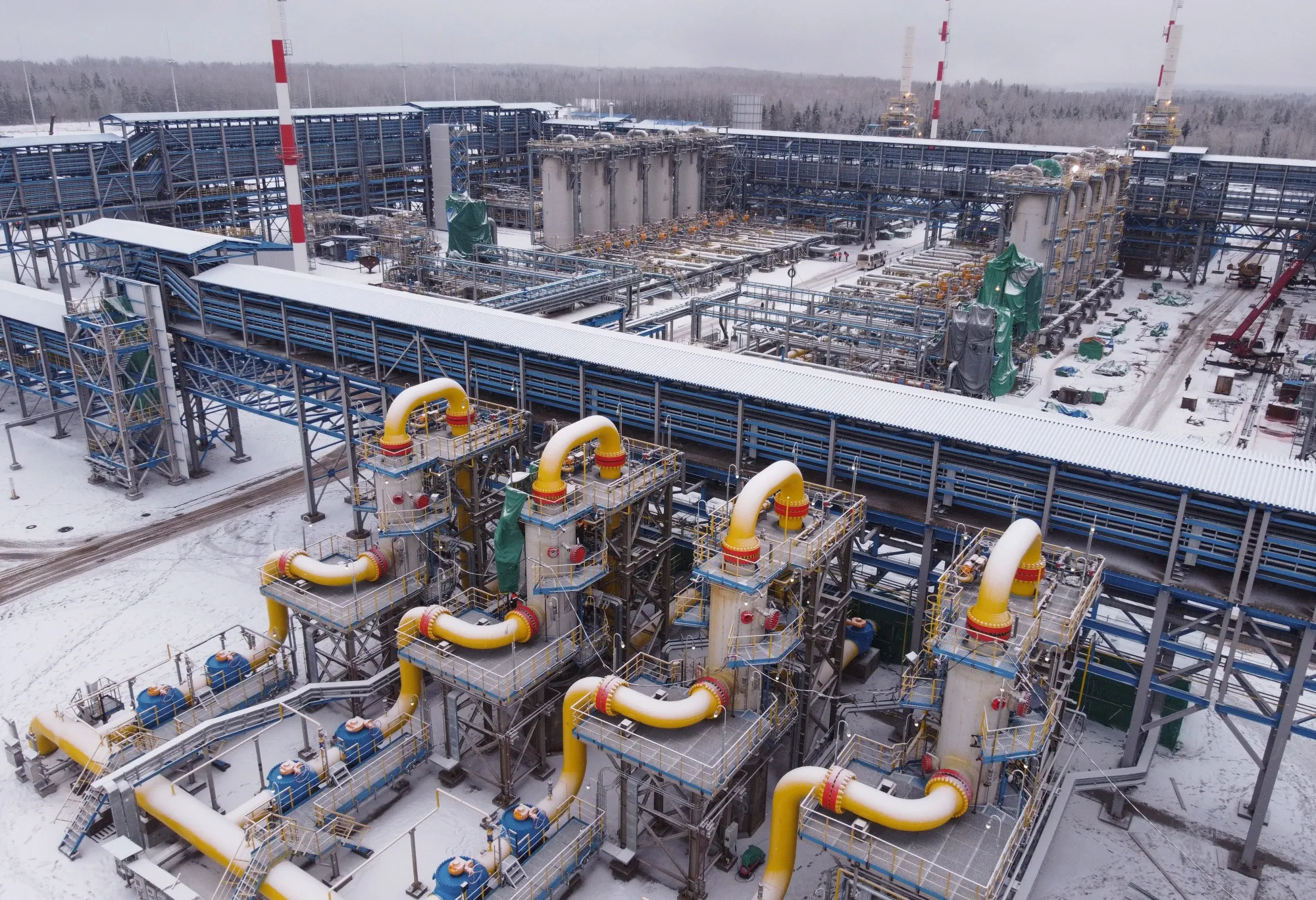
There is no deal to reopen Nord Stream today. There is, however, a conversation about what the European energy architecture could look like once the war is over, and the fact that senior figures close to both Trump and Putin are discussing American participation fundamentally changes the political meaning of such a project. Nord Stream was once the centerpiece of the energy relationship between Russia and Germany. The pipelines carried Russian natural gas directly beneath the Baltic Sea to Europe’s largest economy, bypassing traditional transit states and binding Moscow and Western Europe together through one of the continent’s most consequential commercial relationships.
Then came February 2022. Russia’s full-scale invasion of Ukraine transformed Nord Stream from an energy project into a geopolitical liability. Nord Stream 2 never entered commercial service. Gas flows through Nord Stream 1 were halted, and explosions in September 2022 severely damaged three of the four pipeline strings. The infrastructure has since become entangled in sanctions, investigations, political recriminations and the much wider European effort to eliminate dependence on Russian fossil fuels.
The European energy map was redrawn around its absence. That is precisely why the current discussions matter. Reuters reports that Kushner and Dmitriev have explored the possibility of bringing an American investor into Nord Stream, with the broader objective of creating a commercial structure through which Russian gas could eventually return to Europe after the war. Kushner has promoted what have been described as “prosperity agreements,” arrangements built on the theory that economic incentives and mutually profitable investment can help stabilize political settlements. It is a philosophy that fits closely with Trump’s broader approach to international relations.
Where previous administrations often treated economic engagement and geopolitical settlements as separate tracks, Trump has repeatedly attempted to fuse them. Peace, in this model, is not merely the absence of military confrontation. It is reinforced by transactions that give former adversaries a financial interest in preserving the settlement. Nord Stream would be a spectacular test of that theory. An American stake in the project could theoretically transform its political character. Instead of a pipeline connecting Russia directly to Germany under a structure dominated by Russian interests, Nord Stream could emerge from the war with American capital positioned between supplier and consumer.
For Washington, such an arrangement could offer commercial influence over one of Europe’s most politically sensitive energy corridors. For Moscow, it could provide a route back into a European market that has spent years attempting to remove Russian gas from its strategic calculations. For Germany and other European economies struggling with energy costs, it could reopen access to pipeline gas that was historically cheaper than many replacement supplies. And for American investors, the financial opportunity could be considerable if large-scale Russian energy flows into Europe were ever normalized again.
The political obstacles, however, are enormous. Nord Stream remains subject to sanctions imposed by the United States and European Union. Germany’s government remains deeply resistant to restoring the prewar energy relationship with Russia, while Poland and several countries on NATO’s eastern flank have long regarded Nord Stream as a strategic vulnerability rather than a conventional infrastructure project. Reuters reported that current obstacles make an agreement unlikely in the medium term, according to an American official.
Any American transaction would also require formal approval. A U.S. administration official told Reuters that any agreement involving Russia would have to pass through the relevant American development-finance and Treasury authorities and would have to provide benefits to American taxpayers and American companies. That is a significant qualification. Even if political discussions are underway, the sanctions architecture built since 2022 cannot simply disappear through private negotiation. The White House has also sought to draw a line around the scope and timing of the conversations, saying there had been no recent negotiations specifically focused on the pipeline.
That does not necessarily contradict the broader reporting. Diplomatic and commercial discussions of this scale often proceed in exploratory stages long before they become formal negotiations. The distinction between discussing the architecture of a potential future arrangement and negotiating an actual contract is substantial. What matters is that Nord Stream has returned to the strategic conversation at all. Only a few years ago, the idea that American officials might contemplate an investment structure capable of bringing Russian gas back into Germany would have been nearly unthinkable in Washington. Today, it is being discussed as one possible element of a postwar settlement.
The shift reflects a larger transformation underway in Trump’s diplomacy with Moscow. Kushner and special envoy Steve Witkoff travelled to Moscow in September and met Vladimir Putin as part of the administration’s continuing effort to negotiate an end to the war. Official White House photographs documented Kushner and Witkoff being received by Dmitriev before their Kremlin meeting with the Russian president. That channel remains active.
Kushner and Witkoff are now also due to meet Ukrainian officials in Miami as Washington continues exploring proposals intended to bridge positions between Kyiv and Moscow. Reuters reported that representatives of the United States, Ukraine and European partners are expected to participate in discussions dealing with security guarantees and the framework for an eventual peace settlement. The Nord Stream discussion therefore cannot be viewed in isolation. It appears to belong to a much larger attempt to imagine the economic order that could follow the war. That order may involve far more than ceasefire lines and security guarantees, it could include sanctions relief, Russian assets, European reconstruction, energy supply, American investment, and potentially a deliberate effort to replace confrontation with economic interdependence.
Russian gas could return, but under a structure in which American investors acquire a direct economic and potentially strategic interest in the infrastructure carrying it. Such a model would be unmistakably Trumpian. Rather than simply demanding that Europe choose between Russian energy and American energy, Washington could position American capital inside the transaction itself. That would turn a geopolitical liability into an American commercial asset. It could also give the United States a degree of influence over Russian-European energy relations that Washington never possessed during Nord Stream’s original era. There would be obvious beneficiaries, as American companies could profit from the revived trade and Russia could regain access to an immensely valuable market. Also, parts of European industry could benefit from renewed pipeline supply. Ans, in the end, Washington could argue that it had created a financial architecture in which both sides had something tangible to lose from another war.
Whether it can survive European opposition, Ukrainian objections, sanctions law, the ownership structure of Nord Stream and the profound distrust accumulated since 2022 is another question entirely. There is also the unresolved physical condition of the pipelines themselves. Three of the four Nord Stream strings were damaged in the 2022 explosions. Any serious revival would therefore require not only a political settlement and sanctions relief but technical assessment, repair, financing and commercial commitments from buyers willing to sign long-term contracts. None of those conditions exists today. Yet geopolitical transformations often begin long before they become visible in formal policy, and, according to our sources, conversations are already happening.
Washington and Moscow are no longer discussing only how the war might end. They are beginning to discuss what business might look like the morning after.