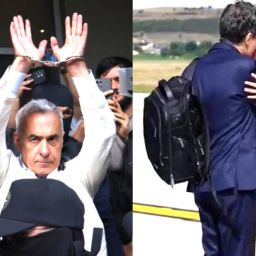
Political Earthquake in Serbia: Prime Minister Milos Vucevic to Resign Amid Massive Protests

Photo: Reuters/Prime Minister Milos Vucevic
Serbia is facing a significant political upheaval following widespread street protests, culminating in the announcement of Prime Minister Milos Vucevic’s resignation. This decision comes after intense pressure from the public, particularly from a 24-hour blockade of a crucial road junction in Belgrade led by disgruntled students. The protests, which have been ongoing for nearly three months, reflect the growing dissatisfaction with the government’s handling of a tragic incident that resulted in the deaths of 15 people. The wave of demonstrations was ignited by a catastrophic event on November 1, 2024, when part of the concrete roof of the train station in Novi Sad collapsed. Novi Sad, Serbia’s second-largest city, was plunged into mourning as rescue efforts revealed the full extent of the disaster. The tragedy not only exposed potential negligence in infrastructure maintenance but also highlighted deeper systemic issues within the government. Public outrage quickly escalated as citizens demanded accountability and justice for the victims. The initial grief transformed into a powerful movement, calling for transparency and reform in government practices. The government’s perceived slow and inadequate response to the disaster further fueled the protests, uniting diverse groups across the country in a shared demand for change.