Scroll Top

Strategic Realignments in Asia-Pacific: The Vietnam–US Trade Breakthrough and Rare-Earth Diplomacy with China

Photo: Reuters

Between June 21 and June 27, 2025, the Asia-Pacific region saw two important trade events. One was the nearly completed trade deal between the United States and Vietnam. The other was a surprise agreement between the U.S. and China about rare-earth exports. These two developments show how countries are finding new ways to solve trade problems. Even with global tension, economic cooperation remains possible. In recent years, global trade has become more difficult. The U.S. has used tariffs more often. Some countries, like Vietnam, have been affected. Earlier this year, the U.S. added a 46% tariff on many Vietnamese goods. This was due to Vietnam’s growing trade surplus, which reached over $12 billion in May. At the same time, U.S.–China trade relations stayed frozen. This made businesses in Asia nervous about the future. To avoid new tariffs starting in July, countries like Vietnam and South Korea began talks with the U.S. They hoped to extend temporary tariff relief. These talks were urgent because if a deal wasn’t reached by July 9–10, new tariffs would automatically begin again. On June 25, Vietnamese Prime Minister Pham Minh Chinh spoke at the World Economic Forum in Tianjin, China. He said he was confident that a trade deal would be signed soon. Vietnam and India were both discussing trade with the U.S., promising to fix supply chains, stop illegal exports from China, and buy more U.S. goods like energy and farm products. That same week, important meetings took place in both Washington and Hanoi. Officials from both countries worked to finish rules about trade and product origin.

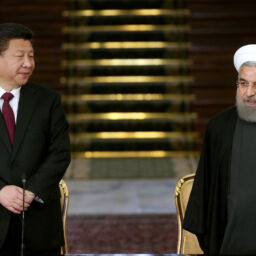
On June 26 and 27, something unexpected happened. The U.S. and China agreed to restart rare-earth exports. These materials are used in many high-tech products like electric vehicles and smartphones. China agreed to remove trade barriers and speed up licensing. This agreement removed a big problem that had blocked trade for months. U.S. officials said this was part of a bigger trade plan that included 88 countries. India was likely the next country to join this plan.
Markets reacted well. U.S. stock indexes reached record highs. Asia-Pacific markets, like the MSCI Asia ex-Japan index, also rose. In South Korea, exports increased by 8.3% in June. Products like semiconductors and cars led the growth. Vietnam’s industries, such as textiles, electronics, and seafood, felt more secure thanks to progress on the trade deal.
Japan also reported that inflation in Tokyo reached 3.4% in June. The Bank of Japan said it would keep interest rates low. At the same time, Vietnam is becoming a key U.S. partner in supply chains. Vietnam promised to reduce its use of Chinese components and stop re-exporting Chinese goods. This helped Vietnam keep a strong trade relationship with the U.S.
China has long controlled the global supply of rare-earth materials. By restarting exports, China wants to show that it can be a fair and reliable trade partner. This move may also help reduce tensions with the U.S. On the American side, trade policy is becoming more focused. Instead of applying the same tariffs to all countries, the U.S. now uses more targeted deals. This helps it solve problems more effectively.
These events suggest that a new way of managing trade is starting to take shape. On June 27, European Commission President Ursula von der Leyen said the EU wants to work more closely with Asia-Pacific countries. She named the CPTPP group as an example of trade cooperation. If the U.S. can keep making successful bilateral deals while still supporting global trade systems like the WTO, the world may see a new kind of trade network.
While these trade breakthroughs were celebrated, they also brought new challenges. If no deal is signed by July 9, tariffs will begin again. Countries must now focus on enforcement. For example, customs officials need to check product origins and stop illegal re-exports. This requires strong systems and cooperation between governments. Smaller countries like Cambodia could be hurt by these changes. If they rely on trade routes through Vietnam or China, stricter rules could slow their exports.
Industries that rely on global supply chains must also adapt. Electronics, garments, and car parts often use parts from different countries. New rules may require companies to show where every part comes from. This can be hard for small businesses. Big companies may already have systems to track this information, but smaller ones may struggle. If they cannot meet the new rules, they might lose business.
Vietnam, China, and the U.S. are now working on better systems to make sure goods meet trade rules. They are setting up working groups and creating digital tools to trace products. The World Bank and other international groups are helping smaller countries by offering training and technology support.
The rare-earth deal also has a deeper meaning. These materials are important for national security, not just business. The U.S. military uses them in weapons, airplanes, and satellites. Restarting rare-earth exports shows that China is willing to separate trade and politics—for now. It also shows that both countries understand the value of keeping supply chains open.
Vietnam’s deal with the U.S. is also important. In 2024, trade between the two countries was worth over $139 billion. This makes Vietnam one of the U.S.’s top trading partners. The deal helps Vietnam stay in a good position as it tries to balance its relationships with both the U.S. and China. Vietnam’s leaders are being careful. They want good ties with both big powers but also want to protect their independence.
As July gets closer, all sides are watching key signals. Trade experts from the Peterson Institute say that if the deal is completed, Vietnam’s economy could grow by 0.5–0.7% over the next two years. The U.S. economy may see smaller gains, but the real benefit will be in lower prices and better supply chain security.
However, success depends on following through. Trade deals are easy to announce but harder to enforce. U.S. and Vietnamese officials are now planning joint committees and early warning systems. These tools will help fix problems before they get worse.
Local reactions matter too. In the U.S., some workers worry that cheaper imports will take away jobs. In Vietnam, small producers are nervous about new rules. Governments must explain the benefits of these deals and help people adjust. This could mean offering training, support for digital tools, or longer transition periods.
These actions are setting the stage for the next phase of trade reform. But the true impact will depend on how regional partners react. That brings us to how the wider Asia-Pacific region is preparing—and what steps may come next.
Following these major trade moves, other countries are making changes too. Nations like Malaysia, Thailand, and Indonesia are updating their trade policies. They want to stay connected to the new trade system the U.S. is building. Some have asked to join the “tariff relief group,” while others are talking to the EU about better trade access.
In Vietnam, schools and trade groups are helping local companies learn the new rules. They teach topics like digital customs, product labeling, and environmental checks. These efforts are important because they help smaller businesses stay competitive in global markets.
Environmental and labor rules are also part of the new trade system. The U.S. now includes climate and labor conditions in its deals. Vietnam has agreed to use cleaner energy and follow fair labor laws. This helps Vietnam sell green products and meet global standards. But these changes cost money, and some factories may need help upgrading their equipment. International banks and climate funds could support this transition.
Digital trade is another growing area. Countries must now agree on how to protect data, control cyber risks, and tax digital services. Vietnam and the U.S. are starting to talk about these topics. Digital rules could soon become a key part of trade deals across the Asia-Pacific region.
For the whole region, this week shows a clear shift. Countries are no longer just looking for free trade. They want trade that is fair, green, safe, and rules-based. The countries that can follow these rules will gain more trade and investment. Others may fall behind.
To make the system work, groups like APEC and ASEAN should organize more trade discussions. These meetings should include governments, companies, schools, and workers. Everyone has a role in building a better trade future.
In conclusion, the week of June 21–27 marked an important turning point in Asia-Pacific trade. The Vietnam–U.S. deal and the rare-earth agreement with China showed that smart and flexible diplomacy is possible. These deals also remind us that real progress requires not just signing papers but building strong systems, helping small businesses, and ensuring fairness for all. With continued effort, the region can move toward a better, more stable trade future.
By Hongrun Li

Related Posts