Moscow Dismisses Reports of Lavrov–Rubio Meeting as “Information Farce”
Plans for a new summit between U.S. President Donald Trump and Russia’s Vladimir Putin have been abruptly shelved, just days after both leaders signalled their intention to meet in Budapest to discuss the war in Ukraine.
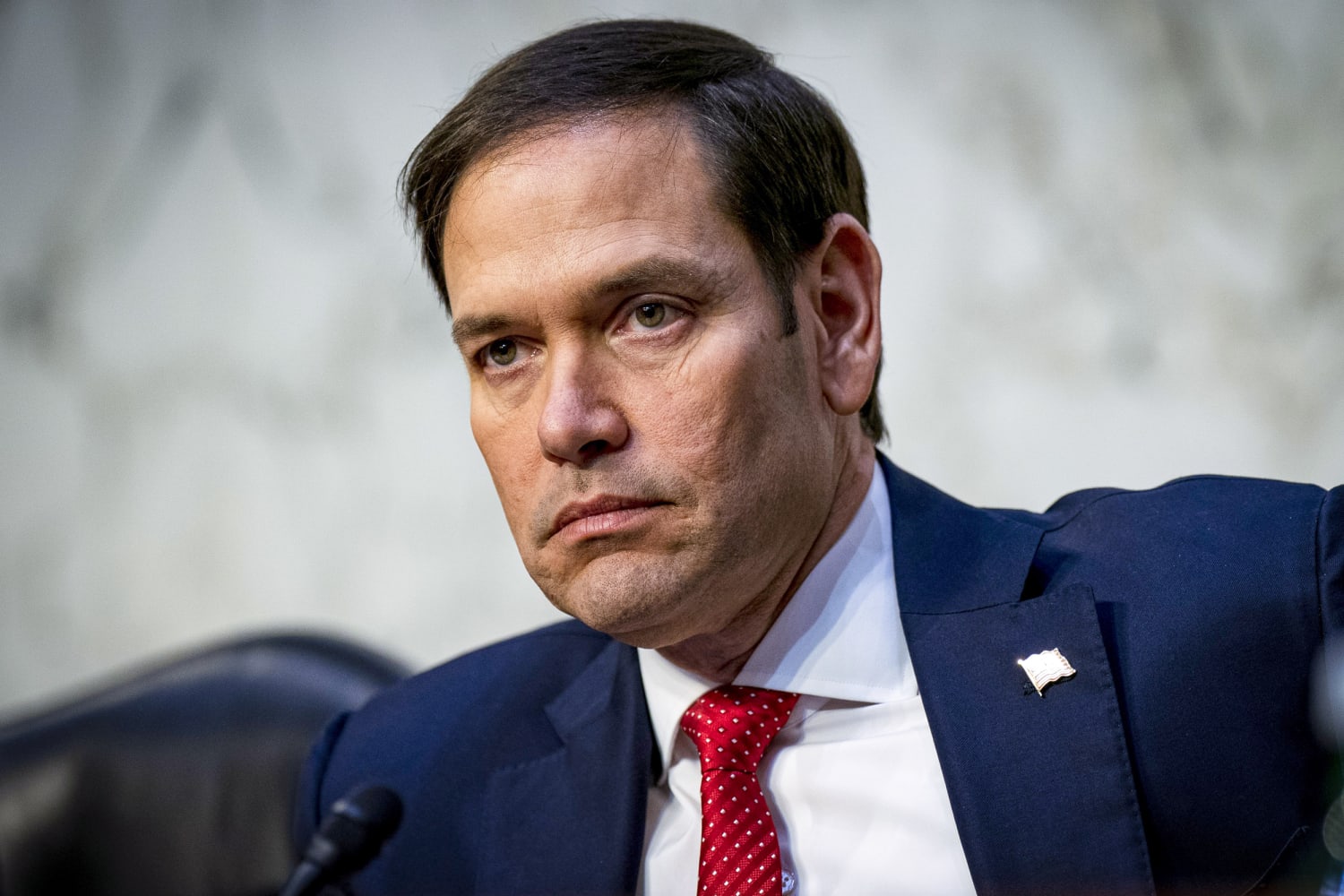
A senior White House official confirmed on Tuesday that there were “no plans for a Trump–Putin meeting in the immediate future,” following what was described as a “productive” phone conversation between U.S. Secretary of State Marco Rubio and Russian Foreign Minister Sergei Lavrov. The call, originally intended to prepare the ground for face-to-face talks, appears to have exposed deep divisions over the path toward peace.
Last week, President Trump told reporters that he and Putin had agreed “in principle” to meet in Budapest within two weeks, a move that had raised cautious optimism in some European capitals and sharp scepticism in Kyiv.
But by Monday, it was clear that the diplomatic momentum had stalled. According to multiple Western and Russian sources, disagreements over Ukraine’s territorial integrity and Russia’s definition of “peace” made any near-term summit virtually impossible.
Trump’s aides said the president was still committed to “ending the bloodshed swiftly,” but officials in both Washington and Brussels acknowledged that the White House had underestimated Moscow’s intransigence on key preconditions, including the withdrawal of Ukrainian forces from the Donbas and formal recognition of Russia’s annexations.
After speaking with Putin last Thursday, Trump publicly embraced a ceasefire proposal supported by Kyiv and several European governments, calling for a freeze of hostilities along the existing front line.
“Let it be cut the way it is,” Trump said. “Stop fighting, stop killing people, go home.”
The plan, echoing earlier French and German initiatives, would effectively halt the war without forcing Ukraine to concede more territory. Kyiv backed the idea as a temporary measure to stabilise the situation and secure humanitarian access.
Moscow, however, dismissed the concept. Kremlin spokesman Dmitry Peskov reiterated that Russia would not accept “any form of front-line freezing,” while Foreign Minister Lavrov described such proposals as “short-term truces that ignore the root causes of the conflict.”
In Moscow’s vocabulary, those “root causes” include its long-standing demand for Ukrainian demilitarisation and formal recognition of Russian sovereignty over the Donbas, positions that remain entirely unacceptable to Kyiv.
Earlier on Tuesday, President Volodymyr Zelensky joined European leaders in issuing a joint statement urging that “any peace effort must begin with a stable ceasefire along the current contact line.” The statement also accused Moscow of lacking “serious intent” in its diplomatic overtures.
Zelensky later told reporters that the discussions over the front line were “the beginning of diplomacy,” but accused Russia of seeking to prolong the war to strengthen its bargaining position. “The only language Moscow truly understands is the supply of long-range weapons,” he said, referring to ongoing talks about U.S. deliveries of Tomahawk missiles to Ukraine.
According to Kyiv, it was precisely the U.S. debate over the Tomahawks that prompted Putin’s unexpected call to Trump last week, a call that briefly reignited speculation about renewed dialogue, before today’s reversal put those hopes to rest.
Trump and Putin last met in August at a hastily arranged summit in Alaska that ended without tangible results. Diplomats familiar with the planning of the Budapest meeting say the White House was determined to avoid another “photo opportunity with no outcome.”
Neither Moscow nor Washington has provided further details about the timing or agenda of the prospective talks. The latest exchange underscores the fragile and often opaque nature of U.S.–Russia diplomatic signaling, where leaks, counter-leaks and denials routinely shape public perception long before any official meeting takes place.
Will anything change? That remains to be seen.
By I. Constantin