Putin Says European Troops in Ukraine Would Risk Direct War with Russia
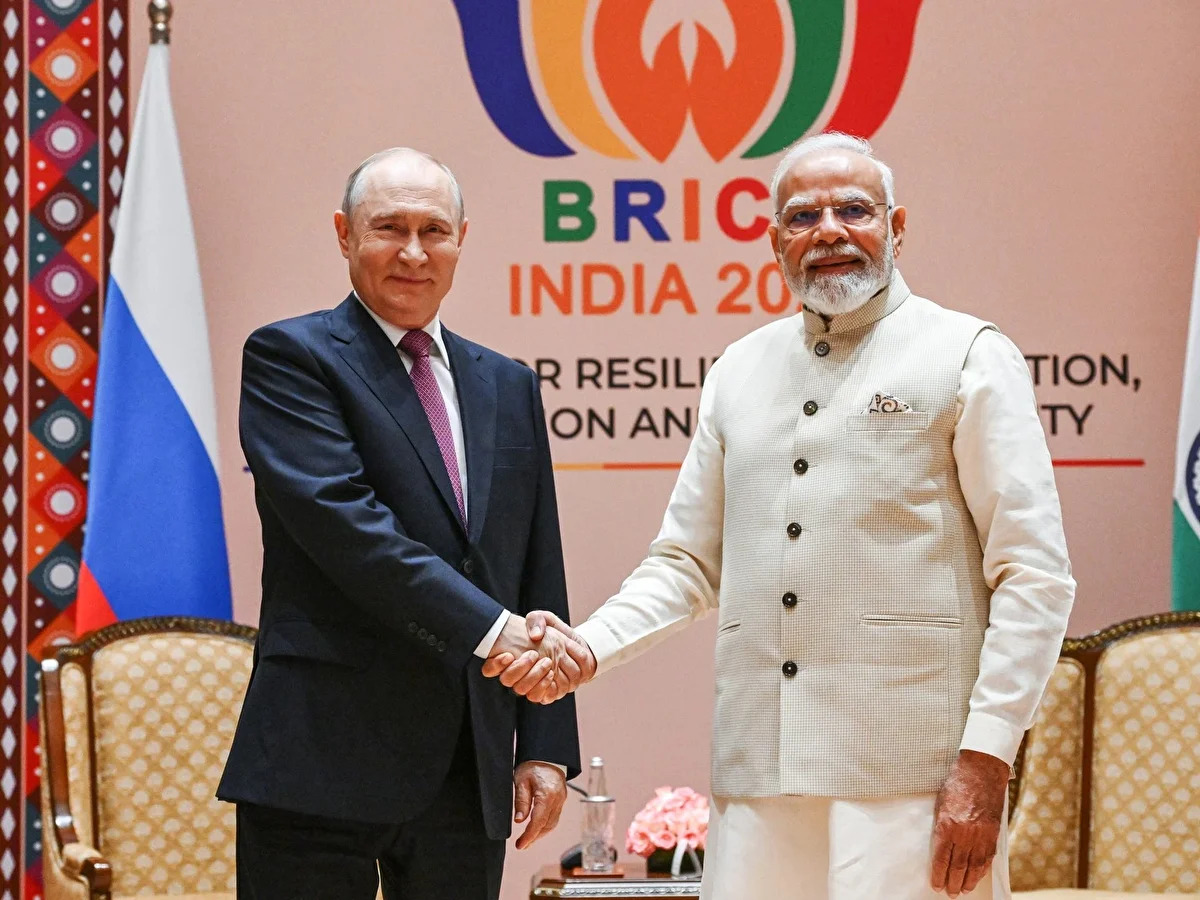
Russian President Vladimir Putin has warned that any deployment of European troops to Ukraine could trigger a direct conflict between Russia and European countries, escalating concerns over how a future ceasefire or security arrangement might be enforced.
Speaking in New Delhi ahead of the Sept. 12–13 BRICS summit, Putin said Moscow views the prospect of European military personnel in Ukraine as an unacceptable step. He argued that such a deployment would effectively place European states in direct confrontation with Russia, while also maintaining that Russia does not pose a threat to Europe.
The comments reflect a longstanding Russian position on the presence of foreign forces in Ukraine. Moscow has repeatedly rejected proposals for European-led peacekeeping, training, or reassurance missions that might follow a ceasefire. In a warning issued in January, Russian officials said foreign peacekeepers deployed in Ukraine could be considered “legitimate combat targets,” a stance that Western governments would likely regard as highly destabilizing.
Putin also accused Western governments of pursuing policies intended to weaken Russia and said European leaders were moving their countries toward confrontation. His remarks linked political changes in Europe to broader dissatisfaction with established political parties. He cited the reported success of the right-wing Alternative for Germany, or AfD, in Saxony-Anhalt as evidence of what he described as failures by Western elites.