Skip to main contentScroll Top

Proffesor John Mearsheimer is declaring that New World Order Arrived & Europe Is Left Behind
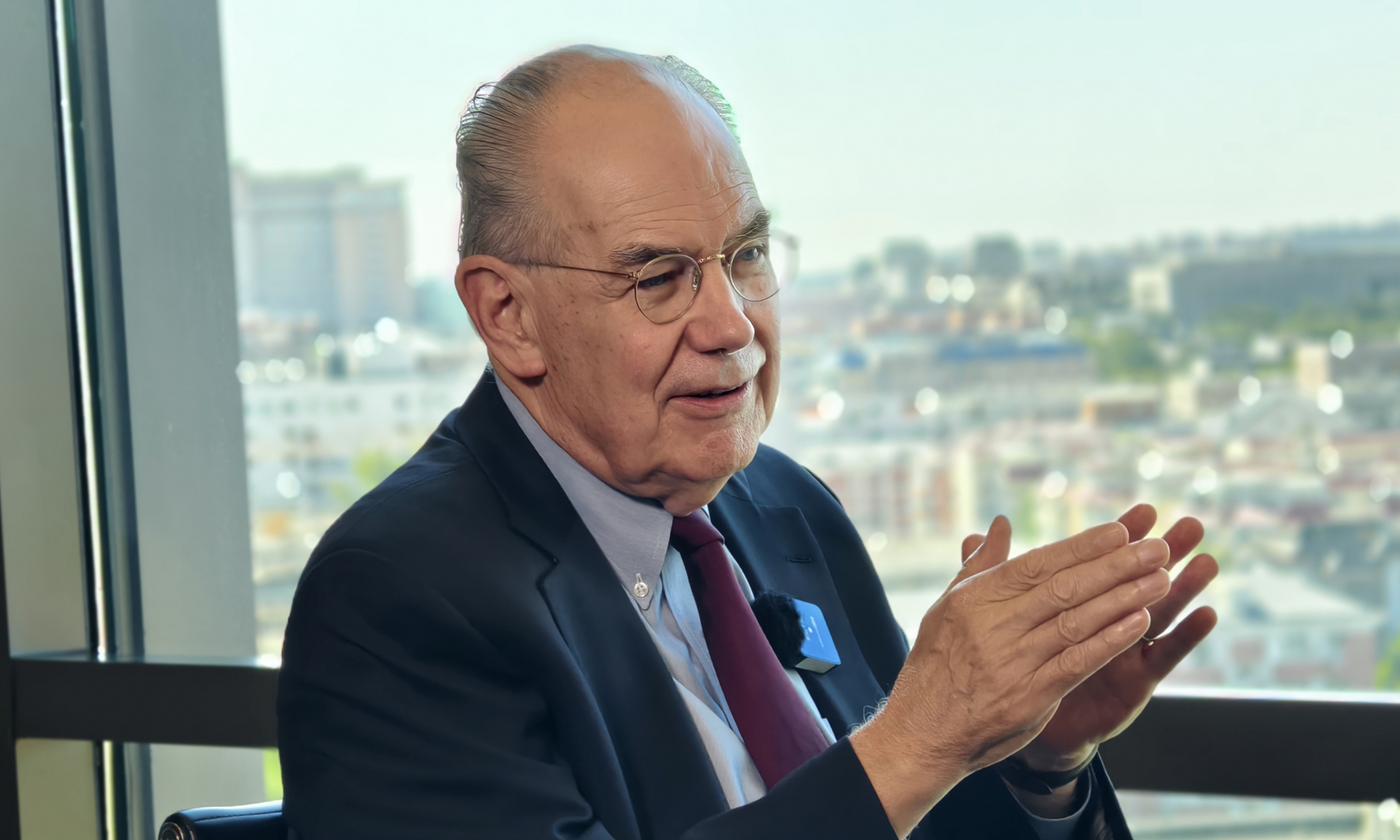
The age of American primacy did not end with a single treaty or a single war. It frayed, then cracked, under the weight of rivals who refused to stay in the roles Washington had assigned them. In a recent conversation, Professor John Mearsheimer and host Glenn Diesen traced that fracture with the bluntness that has made Mearsheimer both influential and controversial: the world is multipolar again, great powers are negotiating as equals, and the habits of the unipolar decades are producing disasters rather than order.
For Mearsheimer, the clearest proof is China. After the Cold War, Washington bet on engagement—trade, investment, institutional inclusion—on the theory that a richer China would become a satisfied, perhaps even liberal, stakeholder. That bet, he argues, has been abandoned. Containment has replaced courtship. The logic is not sentimental and not primarily ideological. It is structural. The United States, in his telling, has never tolerated a peer that could dominate its own region, and it will not tolerate one in East Asia. Naval power, alliances, technology restrictions, and military posture are the instruments of a policy whose aim is simple: prevent China from achieving regional hegemony. Beijing, reading the same map, treats that aim as encirclement. The result is not a misunderstanding that better diplomacy can dissolve. It is a security competition between the two most capable states in the system.
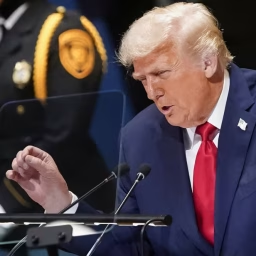
That competition sits inside a wider return of great-power politics. High-level meetings among Donald Trump, Xi Jinping, and Vladimir Putin are, for Mearsheimer, less theater than evidence. In the 1990s and early 2000s, Washington could set terms and expect others to adjust. A multipolar order does not work that way. Major Powers bargain, threaten, and accommodate as rough equals, even when their values and interests collide. The post-Cold War vocabulary—sole superpower, indispensable nation, rules written in one capital—no longer describes the room. The meetings themselves are the acknowledgment: you do not summit with states you can simply instruct.
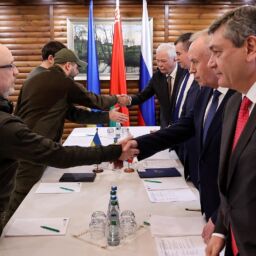
Europe is where the costs of refusing that reality have been most visible. Both speakers treat the war in Ukraine as a break in the continent’s security architecture, not a temporary storm. Mearsheimer’s account is familiar and unsoftened. Russia, he argues, had legitimate security concerns about NATO’s eastward march, concerns the West declined to treat as real. The refusal did not produce a rules-based peace. It produced a grinding war that Western narratives—democracy versus autocracy, unprovoked aggression with no strategic prehistory—cannot settle, because those narratives leave the underlying balance of power untouched. A conflict rooted in geography and alliance politics, he insists, will not be ended by moral clarity alone.
The strategic bill, in his view, was written years earlier. The 2008 decision to open the door to NATO membership for Ukraine and Georgia was, he repeats, a monumental error: a promise that ignored what a great power on the border would tolerate, and that pushed Moscow toward Beijing. Driving Russia into closer alignment with China is the opposite of what a state worried about Chinese power should want. Realism, for Mearsheimer, is not an excuse for aggression. It is a warning about constraints. Ignore them, and you do not get a more just order. You get a worse coalition against you.
Europe now lives with the aftermath. Mearsheimer sees a continent that is politically fractured, economically strained by the war’s fallout, and strategically thinner than its rhetoric suggests. As Washington pivots toward East Asia and loosens the automatic quality of its European commitments, European influence on the global stage shrinks. The old bargain—American security in exchange for European alignment—cannot be assumed in a world where the United States is consumed by the contest that matters most to it. Isolation here is not a wall. It is a loss of leverage: less say over the terms of peace, less weight in a system run by powers that no longer need European permission.
None of this requires accepting every conclusion Mearsheimer draws. Critics argue that Russian security concerns do not license conquest, which Ukrainian agency is not a Western hallucination, and that engagement with China failed for reasons that include Beijing’s own choices. Those objections matter. What the conversation with Diesen forces into view is harder to dismiss: unipolar habits are a poor guide to a multipolar map. Containment of China, a damaged European order, and a Russia pulled toward its larger neighbor are not separate stories. They are one strategic sequence, and the powers now sitting across from one another already know it. 
By Ovidiu Stanica

Related Posts