Scroll Top

The Energy Crisis Deepens
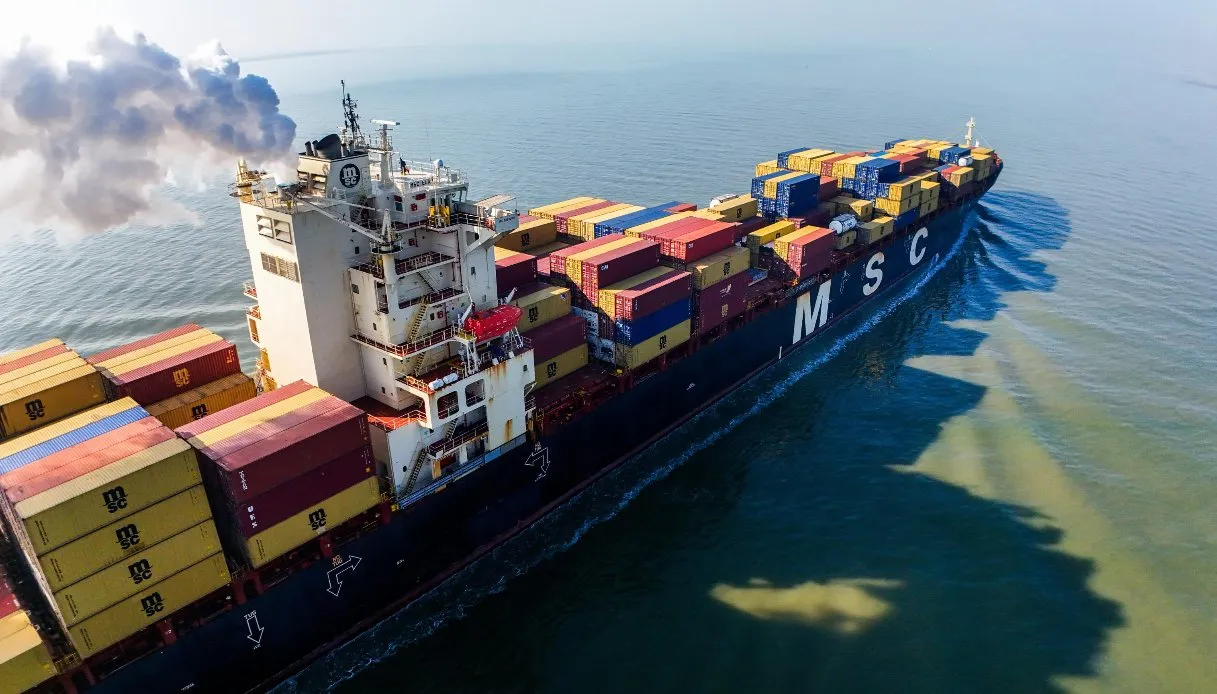
Recent developments surrounding the war in Iran are prompting many scholars to question the potential global economic landscape. The key question is: are we entering an energy crisis? We are likely already in one, though not to the same degree everywhere. The war in Iran has caused the blockage of one of the most sensitive points in the global energy system, the Strait of Hormuz, through which approximately a fifth of the world’s oil passes. Oil and gas availability has dwindled so rapidly that governments have little room for intervention. Rationing is no longer a possibility, but practice is already underway in the most fragile economies, while in Europe it is taking shape more gradually. Unlike the 1973 oil shock, which led to explicit austerity measures such as car-free Sundays, rationing, and consumption limits, or the 2022 energy crisis following the Russian invasion of Ukraine, which was managed primarily through public subsidies and supply diversification, this phase is distinguished by the rapidity with which it is spreading. The repercussions are being transmitted almost in real time, forcing governments to chase a crisis that evolves faster than their ability to respond.


A Financial Times study explains that the first consequences are visible in emerging economies, where energy weighs most heavily on production and public budgets. In the Philippines, a state of emergency was declared and remote working was introduced to reduce consumption, with immediate effects on business; in Zambia, the government suspended taxes on gasoline and diesel while the prices of other fuels continued to rise; in Bangladesh, daily supply cuts and sales restrictions were imposed, with gas stations running out of fuel for hours.
The effect is spreading like a chain reaction. Less production means fewer hours worked and therefore less income, which in turn further reduces demand. Meanwhile, rising energy prices are being passed on to transportation, food, and basic goods, compressing purchasing power. This creates a spiral in which weak growth and high prices feed each other. In countries most dependent on imported fossil fuels, this process is even faster because there are no domestic alternatives. To curb consumption, governments intervene directly in the economy because a destruction of demand immediately translates into lower production, jobs, and income.
When pressure exceeds a certain threshold, the crisis ceases to be merely economic and becomes a public order problem. In Bangladesh, intermittent supplies have led to miles-long queues at gas stations, rationing, and a growing black market; in the Narail district, a gas station manager was killed after denying fuel to a truck driver who had been waiting for hours.
In Europe, the impact was not immediately seen in widespread shortages, but in a progressive reduction of the safety margins built after the outbreak of the war in Ukraine. The European Union starts from a relatively stronger position because in recent years it has diversified its supplies by entering into new agreements with the United States, Norway, and North Africa, and currently has limited dependence on the Gulf. For this reason, in the first few weeks, the problem was perceived primarily as a price increase.
The European Commission has also called on member states to promote remote working where possible, reduce speed limits on motorways, encourage public transport, car sharing, and more efficient driving, as well as discourage non-essential travel, particularly air travel.
This concern is not exaggerated. In the coming weeks, shipments of liquefied gas and refined fuels will tend to shift to markets willing to pay more, reducing availability for the continent. This is particularly critical for products such as diesel and jet fuel, a significant portion of which comes from the region currently affected by the crisis. If these supplies remain limited, the risk is not only an increase in prices, but also the need to directly reduce consumption.
This is why Brussels is seeking action on two levels. In the immediate future, it is preparing measures to limit the impact on families and businesses, including through targeted aid and greater flexibility on state aid. In the medium term, it will emphasize the acceleration of renewables and energy efficiency, with the aim of reducing dependence on unstable external markets. It’s no coincidence that, after an extraordinary meeting, European Commissioner for Energy and Housing Dan Jørgensen called the situation “very serious,” warning that even an immediate end to the conflict would not quickly restore normality.
Another problem to be addressed is the Global competition because increasingly limited resources should not be underestimated. Flows of liquefied natural gas and refined products are shifting to areas willing to pay higher prices, particularly Asia, leaving Europe more exposed in the short term. The diversion of supplies, combined with production capacity already nearing its limits, further reduces the possibility of compensating for the loss of flow through Hormuz.
If the crisis were to drag on, the risk is that of entering a phase of stagflation. Rising energy costs slow down production and reduce business margins, while simultaneously affecting final prices, keeping inflation high. In this situation, central banks face a dilemma: raising rates to contain prices risks further depressing growth, while keeping them low could fuel inflation.
We are facing a very worrying situation. A crisis that will likely have tragic consequences for the weakest economies and wipe outgrowth in European countries. In this scenario, governments will have little room to maneuver to support the economy due to inflation.
By Domenico Greco

Related Posts