

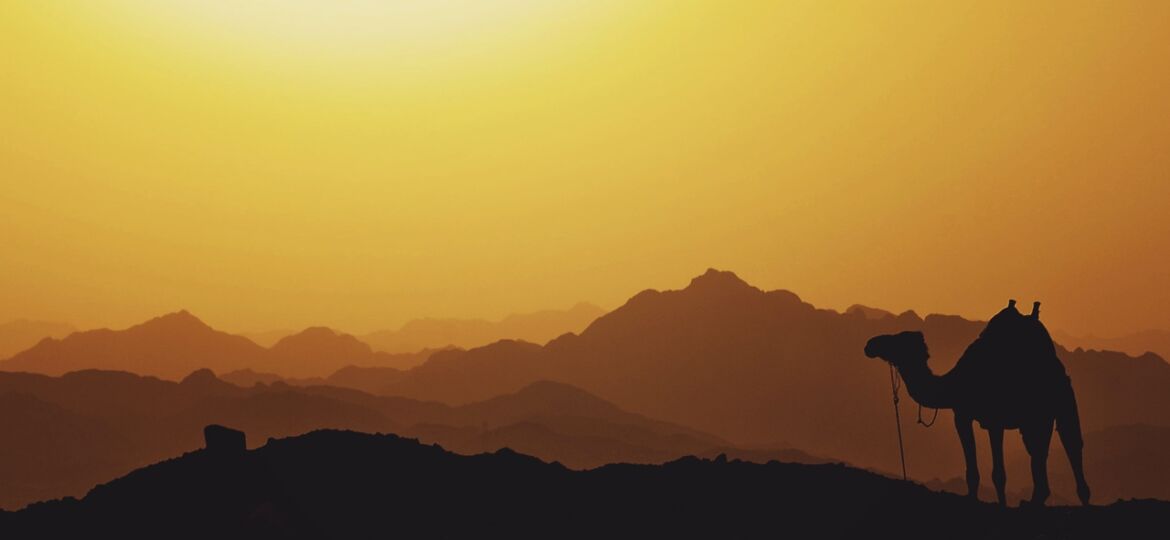
Middle East countries are realigning priorities to adjust to post-coronavirus realities, particularly anticipating a drawn-out recovery period for their economies hit hard by the pandemic.
World

Covid-19 cases have exceeded the 9.8 million threshold globally while the death toll is approaching 500 thousand: this is what emerges from the statistics published by Johns Hopkins University.

Last week, a research team of UK announced a breakthrough drug which created hope for people who are severely ill by COVID-19.

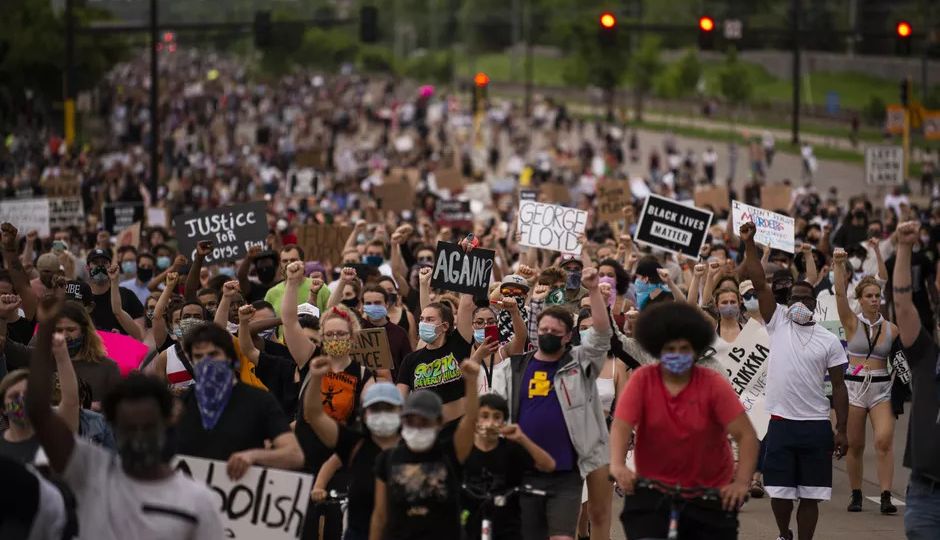
Demonstrations and protests about social justice and the death of George Floyd while in police custody are still going on around the US.
Even though we were living during the time of the literal pandemic, it was just another normal day for some of us and I was one of those few people.

One of the largest oil spills in Russian history was reported at the end of last month. A fuel tank collapsed at a power plant in the city of Norilsk located above the Arctic Circle in Russia’s far north in the Siberian tundra.
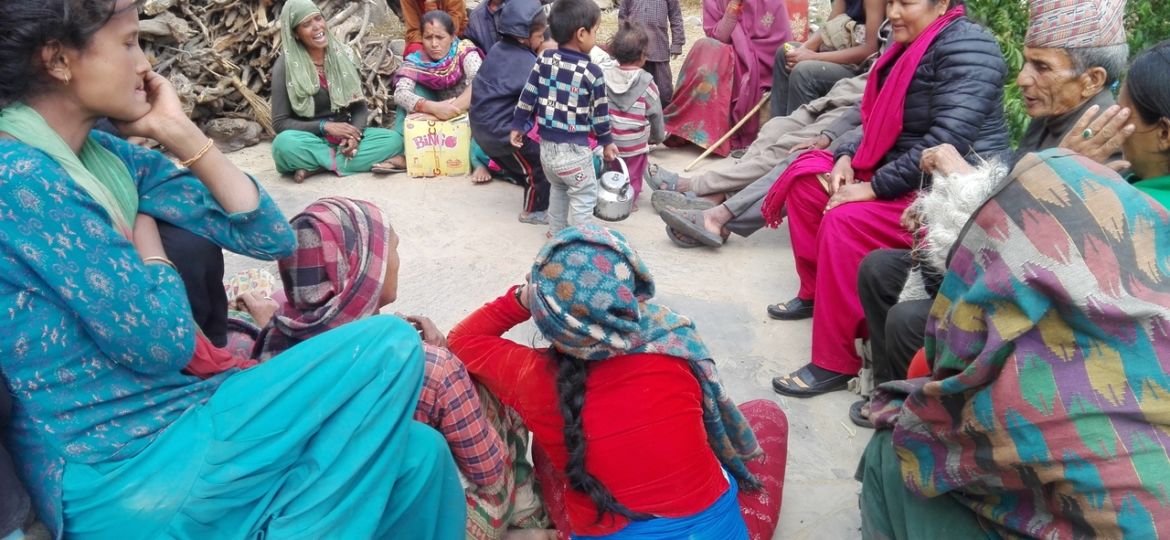
The adverse effect of the pandemic is being felt globally; however, some countries have been more vulnerable to this crisis than others, and one of them is Nepal.

In the First Five-Year National Development Plan, an amount of $100 million was allotted by the government where importance was given to the development of communication and telecommunication, agriculture and fisheries, infrastructure and resettlement schemes, education, and medical services.

The world’s biggest rainforest and river basin on the planet is facing multiple threats that need intervention to prevent ecological disaster.

The rampant escalation of COVID-19 outbreak, across the world, has acutely impacted almost everyone, in one way or the other, and triggered significant downside risks to the overall global economic outlook.