Scroll Top

The Moral Debt: The Case for French Reparations to Haiti
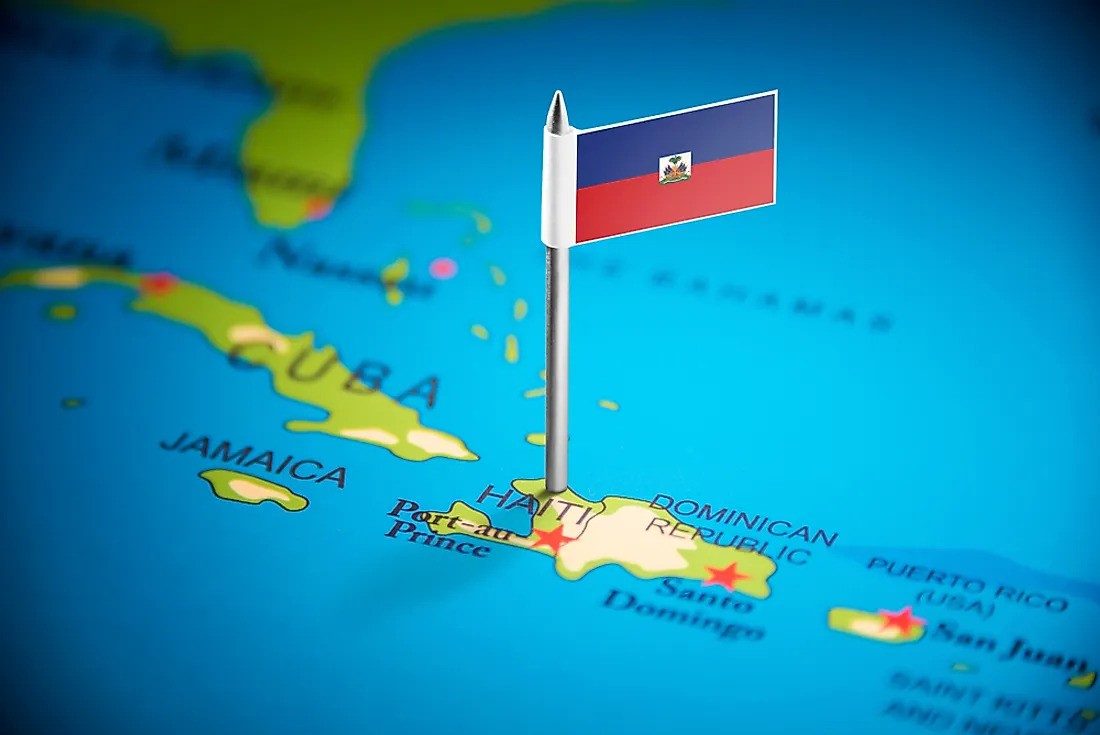
Photo: Reuters

The story of Haiti’s independence struggle is a tribute to the unwavering spirit of a subjugated people who rebelled against their colonizers and became part of history. The Caribbean island of Haiti, through a revolution ignited by the enslaved, became the first to break the shackles of colonialism in 1804, setting a precedent for liberty and self-determination in the region. Yet, the blossoming of Haiti’s freedom was stifled by a crippling financial imposition from France, a burden so severe that it took Haiti until 1947 to repay. Today, a chorus of voices from around 20 non-governmental organizations is rising in Geneva at the U.N. Permanent Forum on People of African Descent (PFPAD), demanding that France make amends for the grievous financial exploitation that has contributed to two centuries of Haitian turmoil. The root of this longstanding economic debacle lies in the 1825 ordinance by France, which conditionally recognized Haitian independence if the newly freed state would compensate French slaveholders for their loss of “property,” including the human lives they had so brutally exploited. This demand, framed as reparations for lost income to the slave owners, was essentially a ransom—150 million francs, later reduced to 90 million francs—a staggering sum for the nascent state. The alternative was the continued threat of military conquest and re-enslavement. The repercussions of this “independence debt” have been far-reaching and devastating. To service the debt, Haiti was forced to take out high-interest loans from French banks, and the consequential financial strain has been cited repeatedly as a contributing factor to Haiti’s chronic economic struggles. The debt installments bled the country of its resources, undermining efforts to develop infrastructure, education, and healthcare that could have propelled it towards a more prosperous and stable future.

The call for reparations is not merely a financial plea; it is a demand for justice and acknowledgment of the historical wrongs that have shackled Haiti’s potential. The coalition of civil society groups at the PFPAD is advocating for the establishment of an independent commission to oversee the restitution process. The commission would aim to quantify the economic impact of the ransom and propose a fair framework for compensation. This initiative is rooted in the broader global movement to address the historical and ongoing injustices faced by people of African descent.
Critics might argue that the passage of time erodes the legitimacy of such claims or that modern-day France cannot be held accountable for the actions of its predecessors. However, this perspective fails to recognize the continuous impact of historical injustices and the fact that the benefits and burdens of history do not dissipate with the turning of pages in a history book. The effects of the “independence debt” are tangible in Haiti’s contemporary reality—it is a living history that continues to influence the socio-economic fabric of the nation.
Moreover, the concept of reparations is not without precedent. Various forms of reparations have been paid historically, as seen in the aftermath of World War II and more recently in the case of German reparations to Holocaust survivors and their descendants. Reparations are not merely about financial transactions; they represent a crucial step towards healing and reconciliation, acknowledging the wrongs of the past, and setting a course for a more just future.
As France prides itself on the values of liberté, égalité, and fraternité, the question of reparations for Haiti presents an opportunity to align its historical narrative with these principles. It is an opportunity for France to demonstrate a commitment to rectifying the injustices of its colonial past and fostering a relationship with Haiti based on mutual respect and accountability.
The demands of the civil society coalition at the PFPAD echo a growing consensus that the legacy of colonialism and slavery cannot be ignored in the quest for global justice and equity. The implementation of reparations would not only address the historical economic injustices inflicted upon Haiti but would also set a powerful precedent for the international community in recognizing and rectifying historical wrongs.
The case for French reparations to Haiti is not just a matter of financial obligation—it is a moral imperative that stands at the intersection of history and humanity. As the world increasingly grapples with the shadows of its colonial past, the restitution of the Haitian “independence debt” stands as a critical step towards acknowledgment, accountability, and the healing of deep historical wounds. It is a call for France to engage in a transformative act of justice that would reverberate beyond Haiti, serving as a beacon for reconciliation and change in an era still grappling with the legacies of colonial exploitation. 
By Cora Sulleyman

Related Posts