Scroll Top

Omani diplomatic neutrality in the surrounding ‘Ring of Fire’
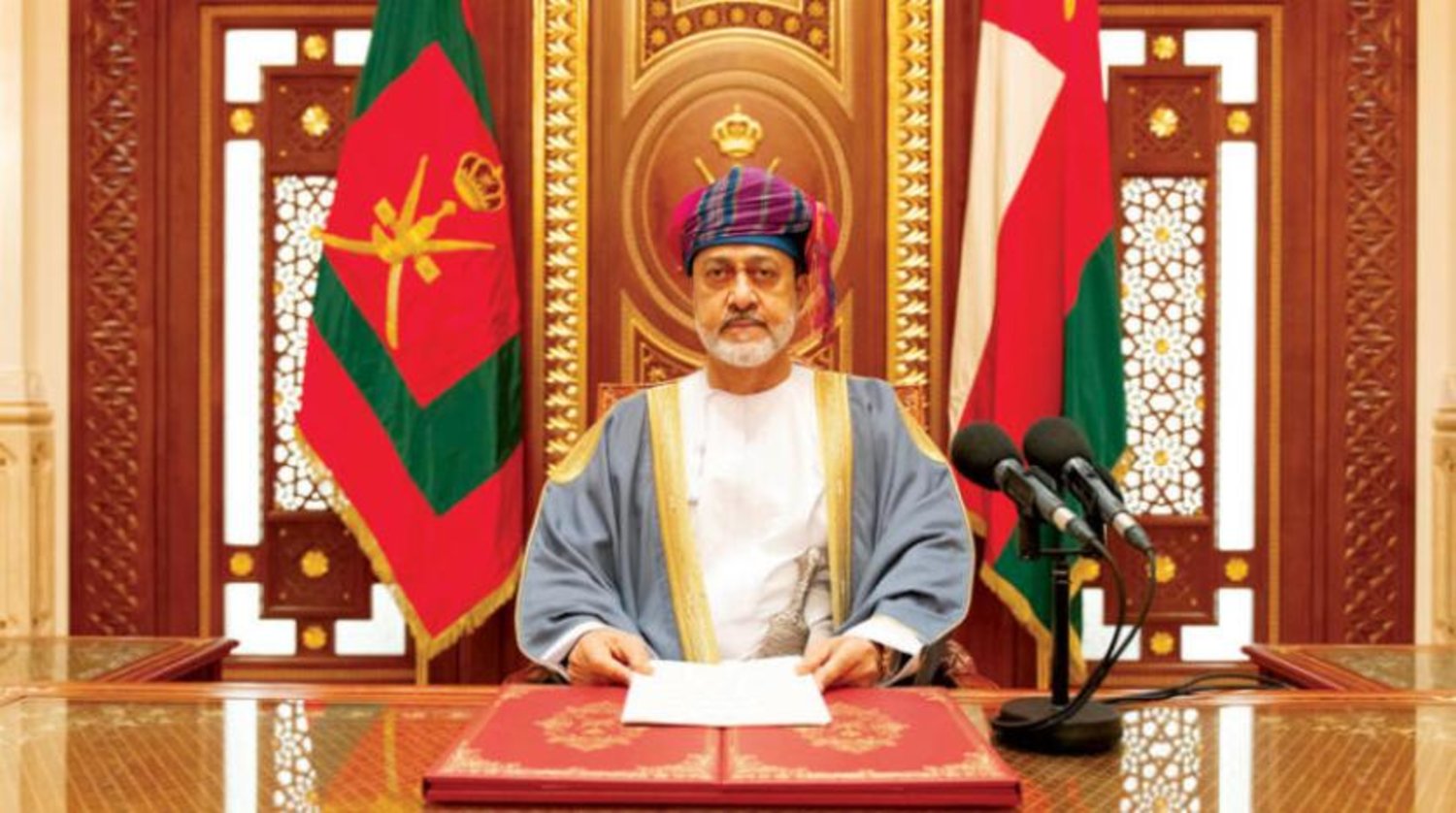
Photo: Shufferstock/The Sultan of Oman

In a region exacerbated by civil wars and escalating regional and geopolitical tensions, the Sultanate of Oman stands out for its neutral and mediating role adopted in the diplomatic arena. Nowadays, among the few sultanates internationally recognized as sovereigns at the state level, the Sultanate of Oman occupies a key position in balancing the equilibrium of the Arabian Peninsula. Oman is located in a highly unstable region. In the southwest, it is encircled by the civil war between the internationally recognized government and the Shia-Zaydi Houthi group that has been fraying the Yemeni Republic’s political and social fabric for a decade. In the northwest, it closely observes the regional dialogues between the Kingdom of Saudi Arabia (KSA) and Iran. In the north, however, it is indirectly involved in the international sanctions imposed on Iran. This ‘ring of fire,’ modeled on the surrounding conflicts and tensions, has not undermined Oman’s stability status but, on the contrary, has strengthened it both domestically and internationally. 
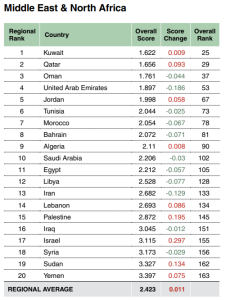
Evidence of this stability is provided by the Global Peace Index 2024. Oman ranked third in a world that becomes more complicated every day. The sultanate emerged as one of the most peaceful nations in the Middle East and North Africa (MENA) region, which was confirmed to be the least peaceful geographic area.
A comprehension of the reasons underlying this stability involves an analysis of various factors. At the domestic level, social cohesion policies and prudent management of economic resources have resulted in internal stability. By contrast, on the regional and international front, the solidity of the sultanate lies in Omani foreign policy. Modeled on the five principles considered fundamental by the Ministry of Foreign Affairs (MOFA), the Omani international strategy embraces being a good neighbor, encouraging dialogue, relying on tolerance, looking outwards, and adopting pragmatism.

From the abstract to the concrete: the application of Omani foreign policy principles

Driving force in the decisions taken by Sultan Qaboos bin Said al Said during his five-decade reign (1970-2020) and in those of his successor, Haitham bin Tariq Al Said (2020 – reigning), the foreign policy principles highlighted above have found concrete application on multiple occasions. 

Oman’s role in the Yemen conflict

Oman has distinguished itself as a good neighbor, and this is well known by the parties involved in the Yemen conflict. In a vulnerable climate caused by unstable elements, Oman acts as a pillar and mediator in the dialogues between the concerned actors. By refusing to take part in the Saudi-led international coalition in the context of the Yemeni war, Oman has become an essential hub for negotiations and a neutral diplomatic channel. Its efforts of tolerance and restraint have enabled the organization of numerous ceasefire talks and attempts to end the humanitarian crisis consuming Yemen.
Since March 2023, Chinese mediation has played a decisive role in facilitating a resumption of diplomatic ties between the two long-time Gulf rivals, Saudi Arabia and Iran, with the latter backing the Houthi rebels. However, the critical dialogue between Riyadh and Sana’a would not have reached such an advanced level of negotiation without the decisive commitment of the Omani delegation.
Relying on the policy of neutrality, Omani officials greatly facilitated the presence of Saudi Arabia and the Houthis at the same negotiating table. As demonstrated by the visit of the Saudi and Omani delegation to Sana’a in April 2023, the talks focused on reconstruction efforts and the timing of the exit of foreign troops from the country. On this occasion, Oman’s neutral diplomacy demonstrated its ability to mediate between the kingdom of Salman bin Abdulaziz Al Saud, a Sunni heavyweight, and the Shia Houthis. 

Muscat in mediating US-Iran nuclear negotiations

Despite the difficulties in protecting the country’s neutrality, Omani foreign policy officials are able to deal with complex scenarios. Indeed, in the previous decade, they have demonstrated outstanding competence in handling tensions between the United States of America (USA) and the Islamic Republic led by Ayatollah Khamenei.
The security mindset of the Omani state is reflected in an active geopolitical neutrality. This approach was manifested through the channel of communication established by the sultanate between Washington and Tehran within the Joint Comprehensive Plan of Action (JCPOA), also known as the Iranian nuclear deal. Initiated in Muscat in 2012, the first secret bilateral talks between the counterparts involved benefited from the presence of Omani economic advisor Salem ben Nasser al Ismaily and Sultan Qaboos bin Said al Said. Although ratified in Vienna in 2015 between Iran, the P5+1 — the five permanent members of the UN Security Council, namely the US, Russia, China, the United Kingdom, and France, plus Germany —, and the European Union, Oman greatly facilitated the preliminary talks of this agreement.
The sultanate has assumed a crucial role in the region, demonstrating great dexterity in navigating between two great powers. The determination to intervene stems from the close relationship between Muscat and Tehran and the desire to ensure regional stability. Taking advantage of its strategic location in the Strait of Hormuz, the sultanate uses the Khasab-Qeshm (Iranian island) route to maintain trade ties with Iran, especially after the imposition of international sanctions. In an area characterized by intense rivalries and incidents, such as the explosion of four oil tankers off Fujairah (United Arab Emirates – UAE) in 2019, Oman is motivated to protect its vital interests and promote a balance from which it benefits.

Omani pragmatism amidst the Qatari diplomatic bloc crisis

Oman’s outward orientation, characterized by a proactive approach, is intertwined with and complemented by pragmatism, which also became a crucial factor in the Qatar crisis. Interested in exploiting economic opportunities to level out the domestic financial deficit and protect the establishment of the Gulf Cooperation Council (GCC) — an intergovernmental organization made up of six of the countries in the Arabian Peninsula (United Arab Emirates, Kingdom of Bahrain, Kingdom of Saudi Arabia, Sultanate of Oman, State of Qatar, State of Kuwait) — Oman took a neutral stance in the resolution of the 2017 Gulf crisis. 
Oman’s move was justified by the desire to preserve its economic and strategic interests. On the one hand, the intention was not to jeopardize relations with Qatar; on the other hand, the desire was to maintain good relations with the bloc’s members. In response to the diplomatic blockade imposed by the KSA, UAE, Bahrain, and Egypt on Qatar — considered to have a foreign policy supportive of international terrorism and regional extremism — the sultanate has responded with equidistant pragmatism. To minimize the polarization created, Oman implemented a policy of non-interference and strategically strengthened trade and economic relations with Qatar. Oman has maintained air and sea links, ensuring the operation of routes between Muscat and Doha via the ports of Sohar and Salalah. This is what Omani diplomatic pragmatism is: a balancing act between regional interests and national objectives. 
What, then, does this analysis show? The outcome is an evaluation of the Omani Sultanate’s stance. Strong in its role as a diplomatic bridge, Oman is actively engaged in overcoming existing conflicts and establishing fertile ground for the creation of peaceful strategies of action. In such a geographical scenario that increasingly needs cooperation and less tension, Oman’s commitment has been vital in the past and will be crucial in the future to promote regional peace and stability. The success comes from the sultanate’s vision of mutual interests as a basis for overcoming short-term difficulties. The approach mentioned above is, therefore, a beacon of hope, empowering Oman as a regional potency able to influence the Arabian Peninsula dynamics and beyond.
By Azzurra Bassetti

Related Posts