Same Blood, Same Language, Same People: A Response to Germany’s Ambassador in Chișinău
The German Ambassador in Chișinău claims that Romanians and Moldovans are not the same people. Yet historians, including those from the Tsarist Empire period, maintain that the same nation lives on both banks of the Prut. Ethnic identity.
Pavel Svinin, a Russian chronicler and diplomat sent by Tsar Alexander I (who annexed Bessarabia and reigned until 1825) to investigate the ethnic reality on the ground, wrote in his report that Moldovans are of the same people and origin as the Wallachians: “they speak the same language, share the same customs and a common history, separated only by political vicissitudes.”
Indeed, the Tsar’s grandmother, Catherine the Great, knew the reality well. She proposed the establishment of the Kingdom of Dacia, a buffer state formed from Moldova (on both banks of the Prut) and Wallachia, because they are inhabited by the same people, with the same language and the same blood.
Only geopolitics separated us — miserable interests, Herr Ambassador!
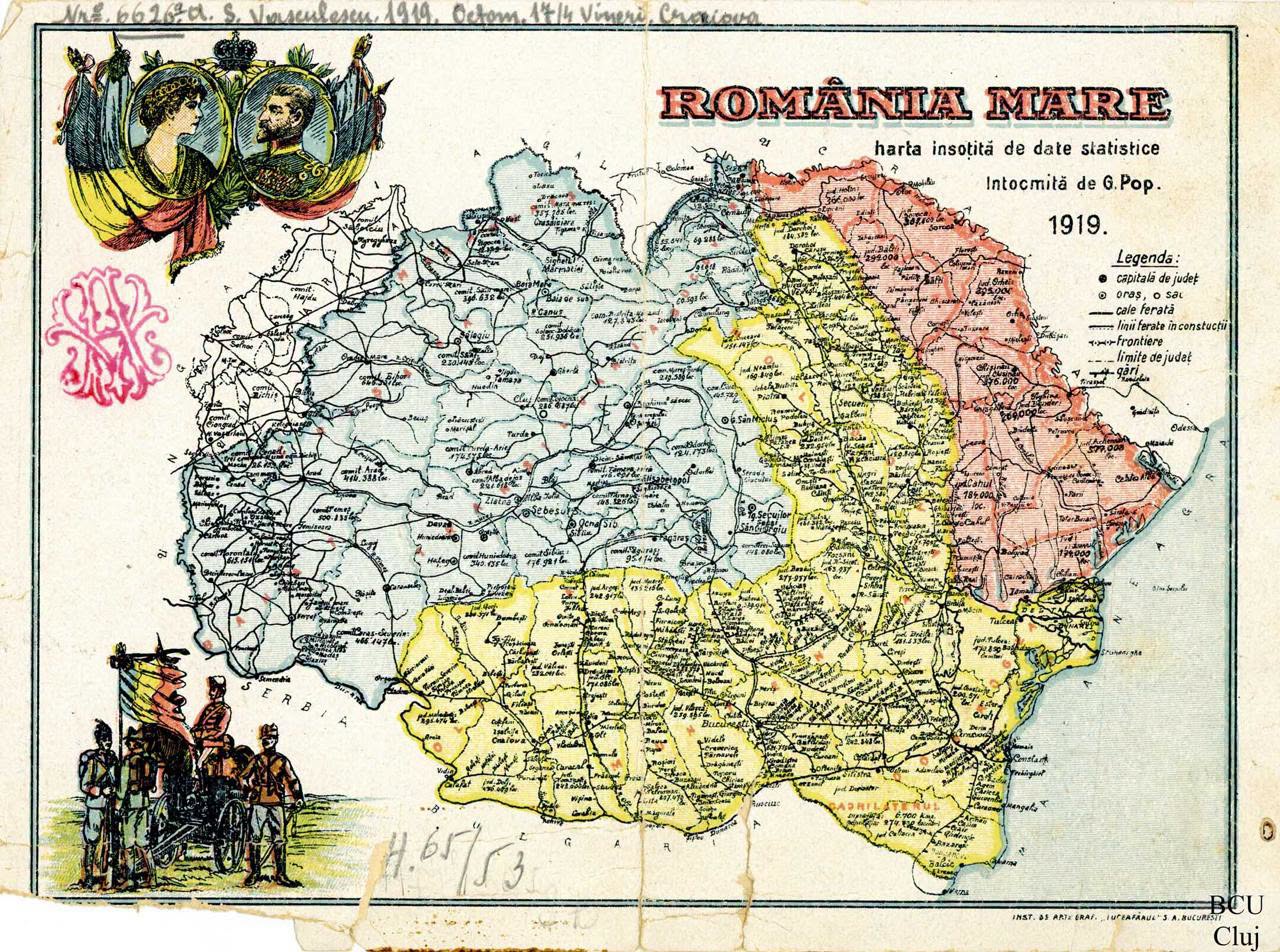
In 1812, the Russian Empire annexed the territory between the Prut and the Dniester, christened Bessarabia. In March 1918, Bessarabia voted for union with Romania, and the Treaty of Paris confirmed it. The Americans had entered the picture — Wilsonian principles that enshrined in U.S. foreign policy doctrine the right of peoples to self-determination. In 1939, the Ribbentrop-Molotov Pact left Bessarabia within the Soviet sphere of influence, and under threat, Romania ceded the territory. In 1941, Romania partially liberated it, but in 1944, Soviet troops reoccupied it. The Iron Curtain descended and the denationalisation began, along with the promotion of a “Moldovan people.” 1991: the USSR collapsed, and the Republic of Moldova became an independent state. And now the Prut is a geopolitical border — the demarcation line between the EU-NATO space and the post-Soviet world.
The theory of separate identities was “scientifically” produced in 1920. Leonid Madan, a Soviet linguist, received orders to create an artificial “Moldovan language,” stuffed with Russianisms and invented regionalisms. He was followed by Artyom Lazarev, the father of “scientific Moldovanism,” who in a 1974 book wrote exactly what Herr Ambassador now considers to be true.
What comes next? Will researchers at the Max Planck Institute in Leipzig be dismissed because they treat Romanian and “Moldovan” as the same language? For that matter, linguists the world over use an ISO standard that classifies them as one and the same language.
Do not touch our identity, Herr! I know Germany is very large, but have you heard of David and Goliath? We are not for sale, as you seem to believe, acting through your proxies in Romania and the Republic of Moldova!
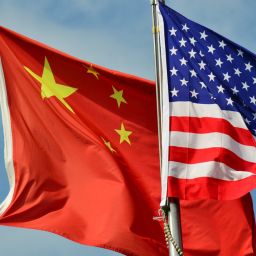
The key? Strengthening relations with the United States. Romania’s foreign policy alignment in that direction generates — as we can see — reactions that are beyond qualification. What does that mean? That we are on the right path!
Herr (I have forgotten your name — you probably spell it with a comma too, since you are not merely functionally illiterate, or an imbecile parachuted into Chișinău) – on both banks of the Prut there are Romanians. The same people, the same blood, the same headaches. If I were to meet you on the street, I would challenge you to a duel for that statement. Until then, take a piece of paper and take note. After the wurst has been digested: Long live Greater Romania!
Germany was divided in two, precisely because history takes on human qualities, burdened by imperfections. Yet, no one ever dared to contest its identity as a single nation. Its reunification was a natural act, after the heart was torn from the chest of the German people. Ours has been torn out too, but for now we are performing an infrastructural, economic, and legislative bypass under the umbrella of the European Union. Romania is a Jaguar, not a lawnmower!
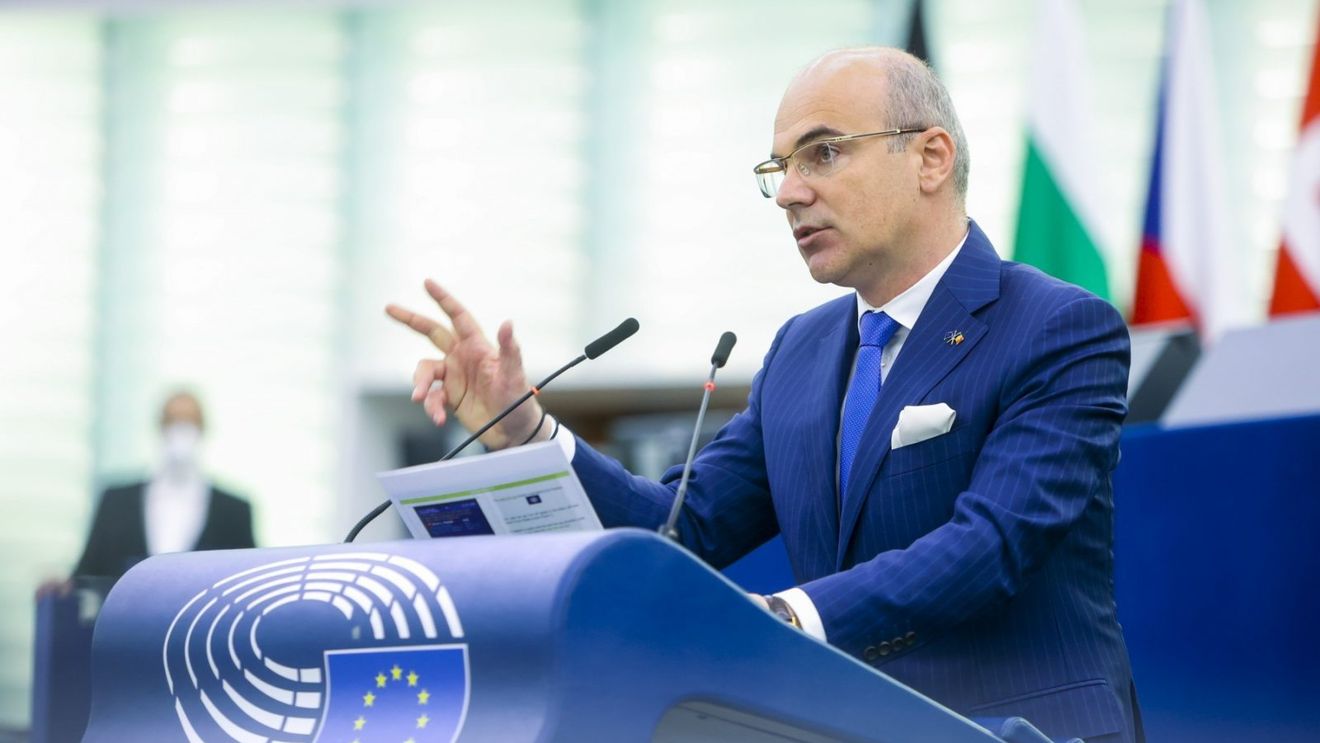
By Rareș Bogdan
Rareș Bogdan is a Romanian MEP (Member of the European Parliament) for the National Liberal Party, former television journalist and anchor, and one of Romania’s most prominent pro-European public voices. That context matters for readers who don’t know him, as his piece carries the weight of an elected European official, not just a commentator.