Scroll Top

Marco Rubio’s Wake-Up Call against Globalist Overreach
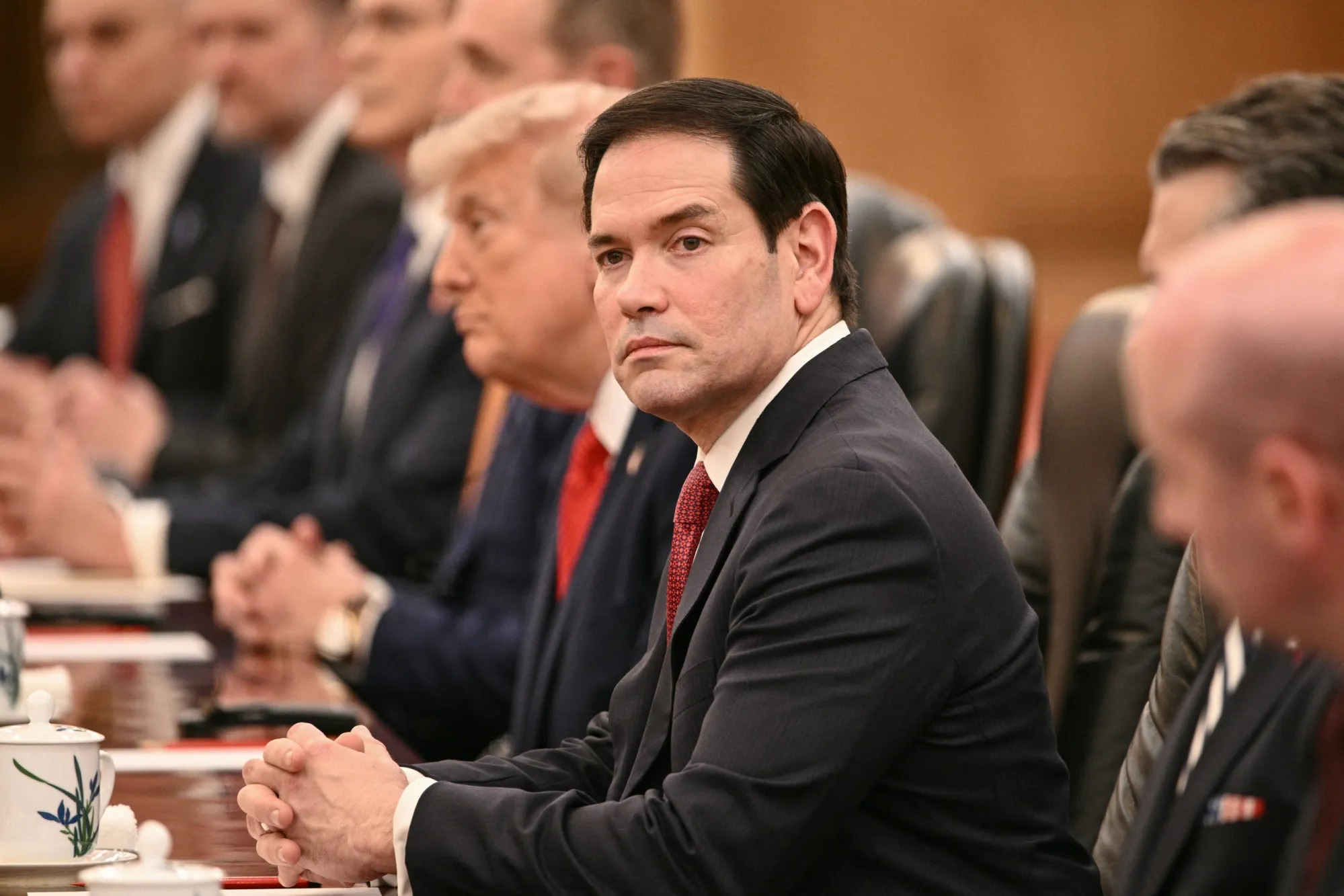
Secretary Rubio redefined the U.S. agenda for the upcoming years in two major remarks this year. The path of US foreign policy will become apparent to those with ears to hear and minds to comprehend. In a moment that resonated far beyond the halls of the Munich Security Conference in February 2026, U.S. Secretary of State Marco Rubio delivered a speech that many are already calling historic. Standing before European leaders and security experts, Rubio launched a direct assault on what he described as distant, unaccountable institutions seeking to erode the sovereignty of free nations on both sides of the Atlantic. His message was clear: the era of quietly ceding power to globalist elites is over, and the White House is determined to reassert national control.
Central to Rubio’s address was his blistering critique of the International Criminal Court. He portrayed the ICC not as a neutral arbiter of justice but as an existential threat to the fundamental right of peoples to govern themselves. Rubio emphasized that Americans—and by extension, citizens of sovereign democracies—have long decided their own laws, chosen their own leaders, and faced justice before their own peers. The ICC, he argued, represents a dangerous inversion of that principle, with unknown judges and prosecutors in far-off chambers claiming authority over nations that never consented to their rule.


The speech also outlined a pragmatic vision for U.S.-European relations. Rubio called for a renewed division of responsibilities, urging Europe to shoulder more of its own defense and security burdens while the United States focuses on restoring its own sovereignty at home. This strategic shift, he suggested, would strengthen both sides rather than leaving the West vulnerable to external manipulation.
Perhaps the most memorable passage came when Rubio reminded the audience of America’s 250-year tradition of self-rule:
“For 250 years, we Americans have governed ourselves as a free and sovereign people. We choose our own leaders. We set our own laws. And when we are accused of a crime, we are judged by a jury of our peers. This is the essential and indispensable feature of our form of government. It is the foundation of our shared way of life. But today, powerful people in distant places want to take this right away from us. They believe they should be the ones to decide on your laws, your country, and your lives. And they do not care whether you agree or not. Halfway between the two hemispheres, there is an institution called the International Criminal Court. You may have heard of it. You may not have. But it is highly likely that you do not know the names of its judges, its prosecutors, or its president.”
Since that address, Rubio has moved swiftly from rhetoric to action. The administration has initiated a coordinated campaign to dismantle the ICC’s influence, framing it as an intolerable encroachment on American independence. Officials describe the effort as part of a broader push to reclaim decision-making power from unelected international bodies and return it to democratically accountable governments.
The speech has sparked lively debate across capitals in Europe and beyond. Supporters hail it as a long-overdue defense of the nation-state in an age of creeping supranational control. Critics warn of weakened alliances. Yet Rubio’s core argument—that true freedom requires the ability of peoples to rule themselves without external veto—continues to echo. As the White House doubles down on sovereignty, the Munich address stands as a defining statement of a new era in transatlantic relations. 
By Paul Bumman

Related Posts