


The Spanish economy has become the most significant among European economies. In 2023, Spanish GDP grew at an annual rate of 3%, compared to 1% for the Eurozone, displacing Germany and France
Economics

In May 2022, the United States launched the Indo-Pacific Economic Framework for Prosperity (IPEF), a new economic initiative with 13 regional partners designed to reshape economic cooperation in the wider Indo-Pacific.

The Regional Comprehensive Economic Partnership (RCEP) has become one of the most consequential developments in the recent history of Asia-Pacific economic integration.

The new geoeconomic strategies are taking shape and the agreements signed in recent months make it clearer which alliances are being consolidated on the international stage.
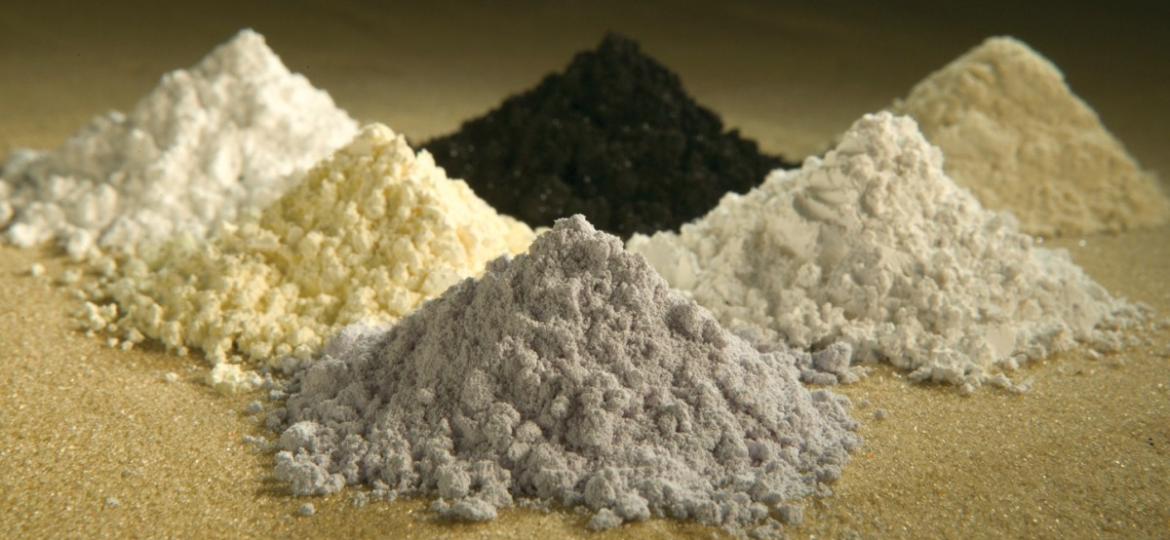
In recent years, we have witnessed a veritable scramble for rare-earth elements. Today, it would seem that these materials are more important and valuable than materials like gold, platinum, and diamonds.


Many global analysts predict that India will be the next great economic power: Goldman Sachs has predicted that it will become the world’s second-largest economy by 2075 and Martin Wolf of the Financial Times

Geoeconomics refers to analytical frameworks used to assess the strategic spatial properties of national economies. Nowdays, Geoeconomics especially serves as a strategic discourse and practice in foreign policy.

The second half of the 20th century was characterized by economic and financial changes. The world, following the Industrial Revolution, was driven by oil and automotive industries.
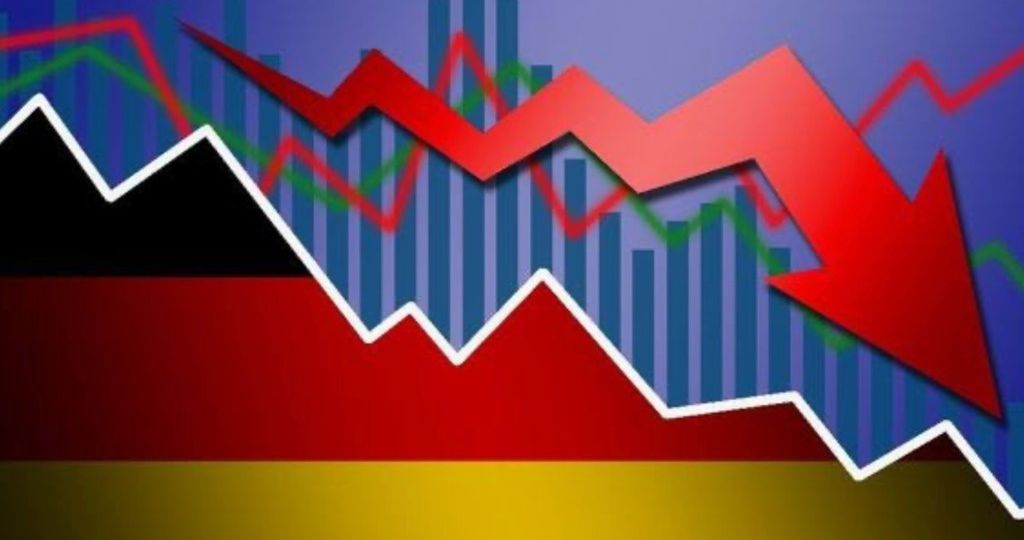
Germany is going through a delicate phase in its history. Since unification in 1990, the government in Berlin has been the beacon of economics, industry, and political leadership in Europe. Lately, this role has been increasingly fading.