

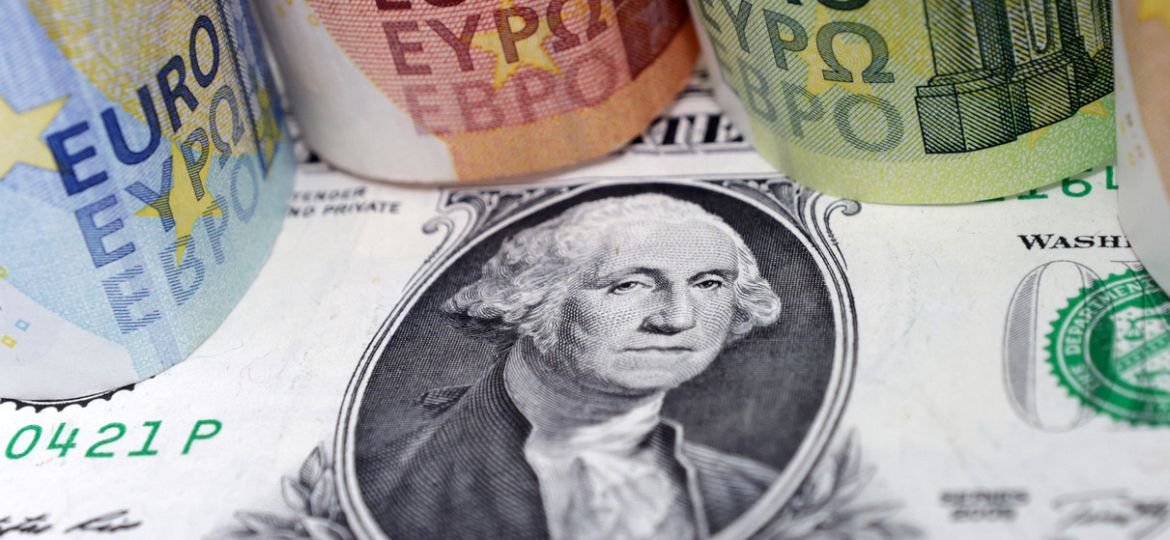
Since the end of World War II, the United States and most European countries have sought economic growth by cooperating to create a cohesive, solid, and virtuous Western front.
Economics

France has been here before: a government searching the sofa cushions for savings, a restive public eyeing the wealthy, and a famous billionaire warning that a new levy will drive success out of the country.
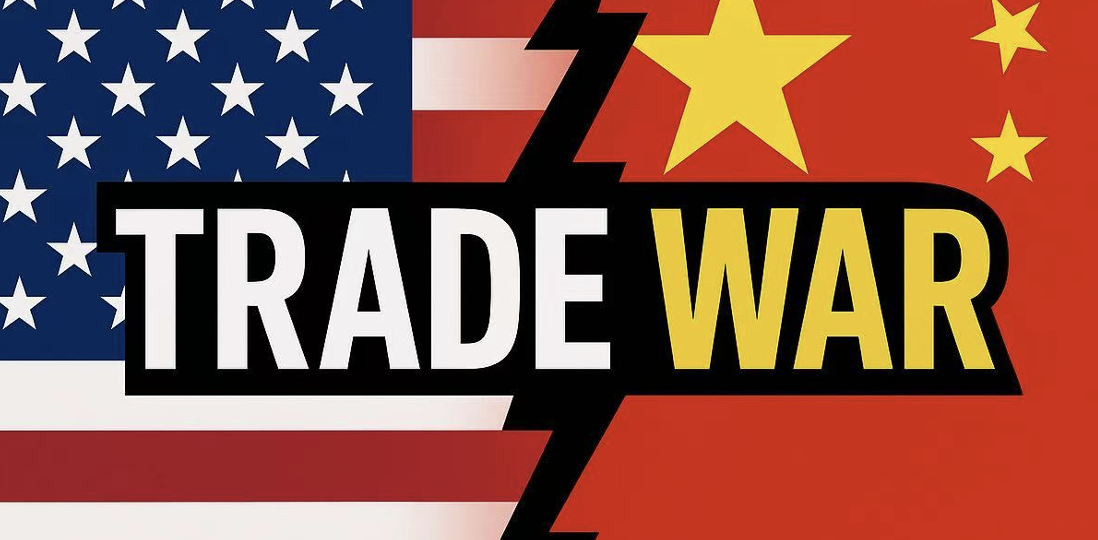
In today’s interconnected world, the Asia-Pacific and Oceania regions stand as dynamic hubs of economic activity, trade collaboration, and diplomatic engagement.
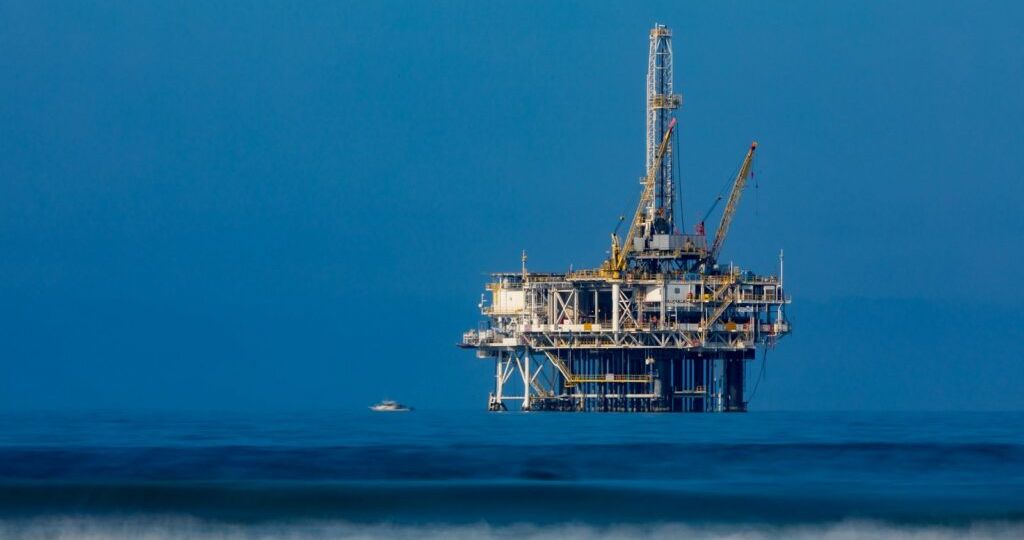
Poland’s economy will grow significantly as a result of this discovery. It remains to be seen how they will manage this wealth in the interest of their citizens.

In recent years, South Korea has found itself at a critical juncture in its economic development, with mounting pressure to recalibrate its export structure in response to rapidly shifting global dynamics.

Between escalating tariff threats and shifting diplomatic alignments, Asia’s economic future is being tested on multiple fronts. Recent changes — most notably U.S.
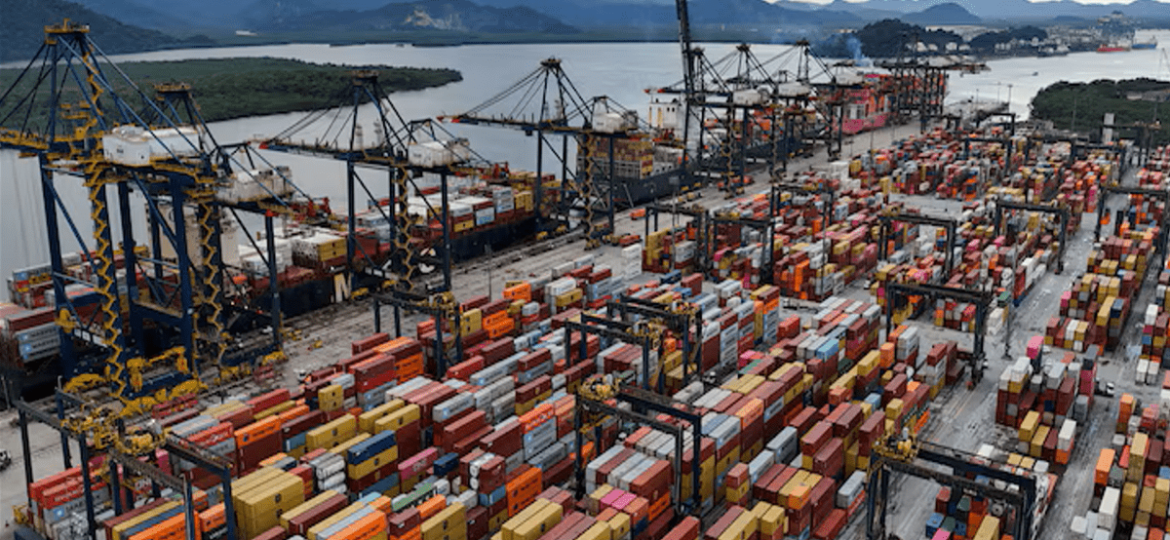
The global trade landscape experienced a series of strategic developments that signal a deeper shift away from traditional multilateralism.
In an era marked by shifting global trade dynamics and increasing regional fragmentation, the Regional Comprehensive Economic Partnership (RCEP) has emerged as a pivotal force in shaping the future of economic integration across the Asia-Pacific.
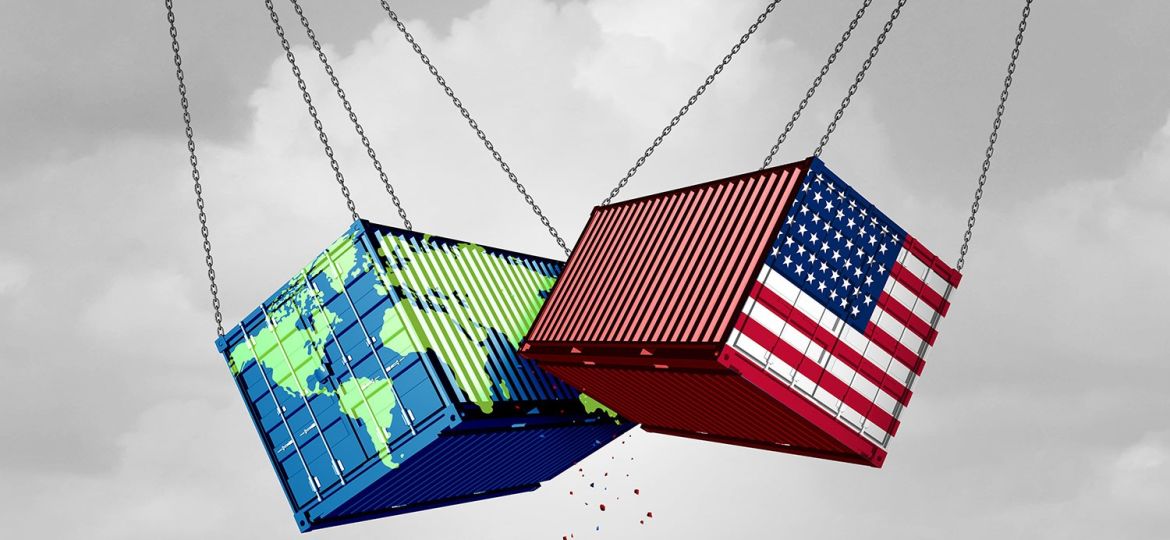
In late June 2025, two major developments in the global trade landscape occurred, reflecting both the volatility and adaptability of international economic relationships.

Between June 21 and June 27, 2025, the Asia-Pacific region saw two important trade events. One was the nearly completed trade deal between the United States and Vietnam.