


In recent years, we have been observing an intriguing shift in the global economic market. Traditional powerhouses are being challenged by emerging players, most notably the countries in the Middle East and Central Asia.
Recent Post
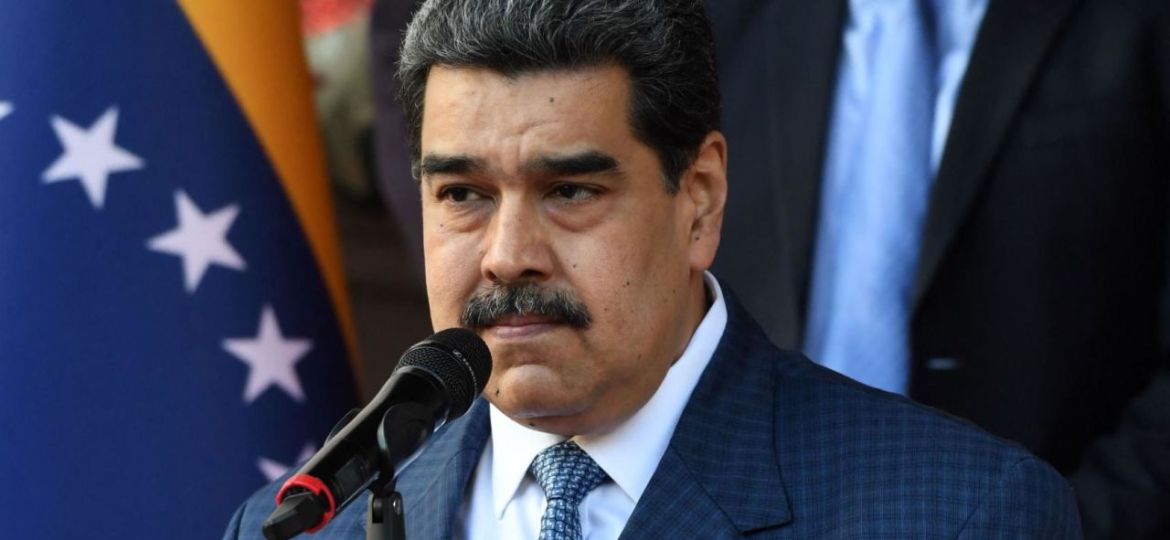
Venezuelan President Nicolas Maduro, on a state visit to China, arrived in Beijing on Tuesday, preparing for high-level talks with his Chinese counterpart, President Xi Jinping.
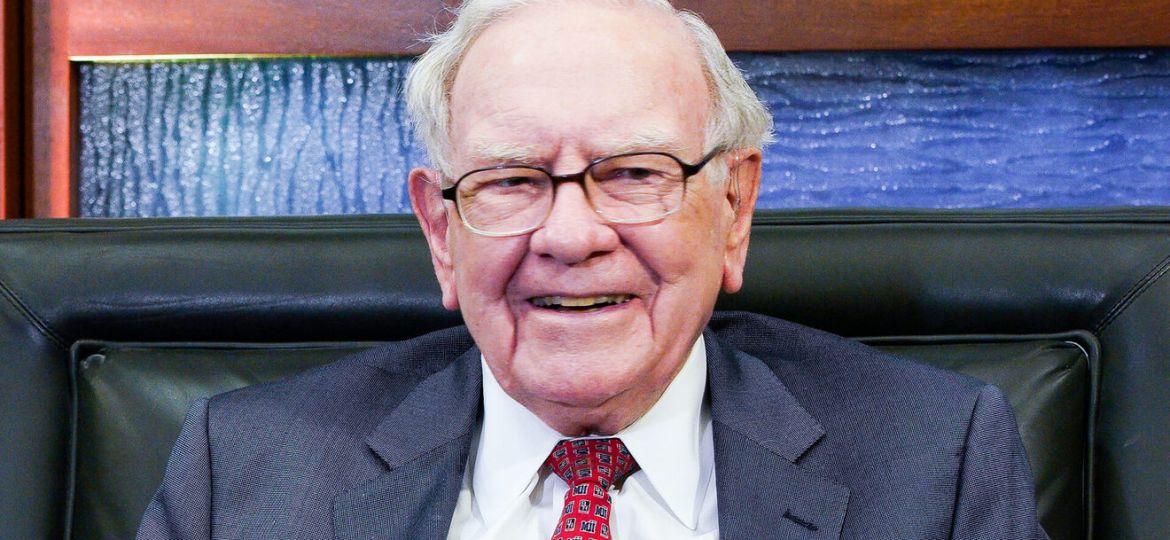
Warren Buffett, the legendary investment guru known for his uncanny ability to spot value where others can’t, have turned his discerning eye to a new venture.
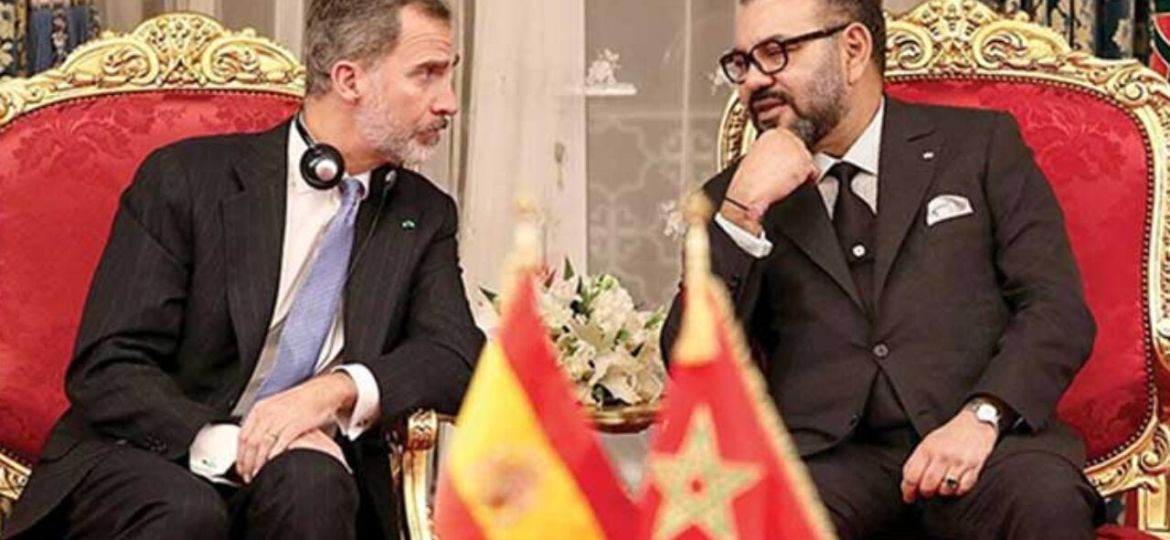
The geographical proximity of Morocco and Spain, separated only by the narrow Strait of Gibraltar, has led to a long history of interaction and mutual influence that has shaped the destinies of both nations.
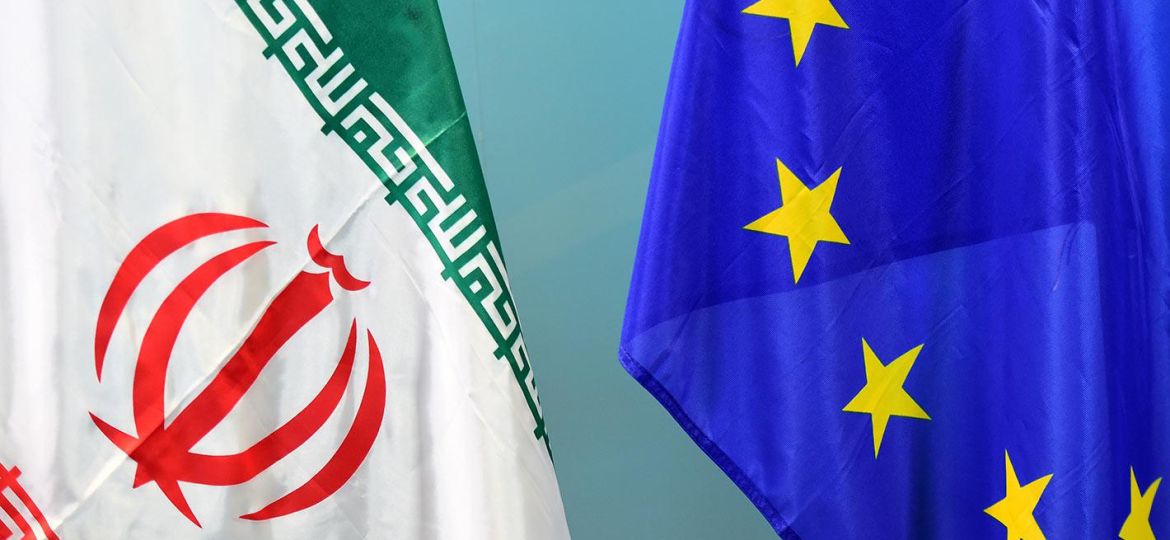
The relationship between the European Union (EU) and Iran has been a complex blend of diplomacy, economics, and politics for many years.
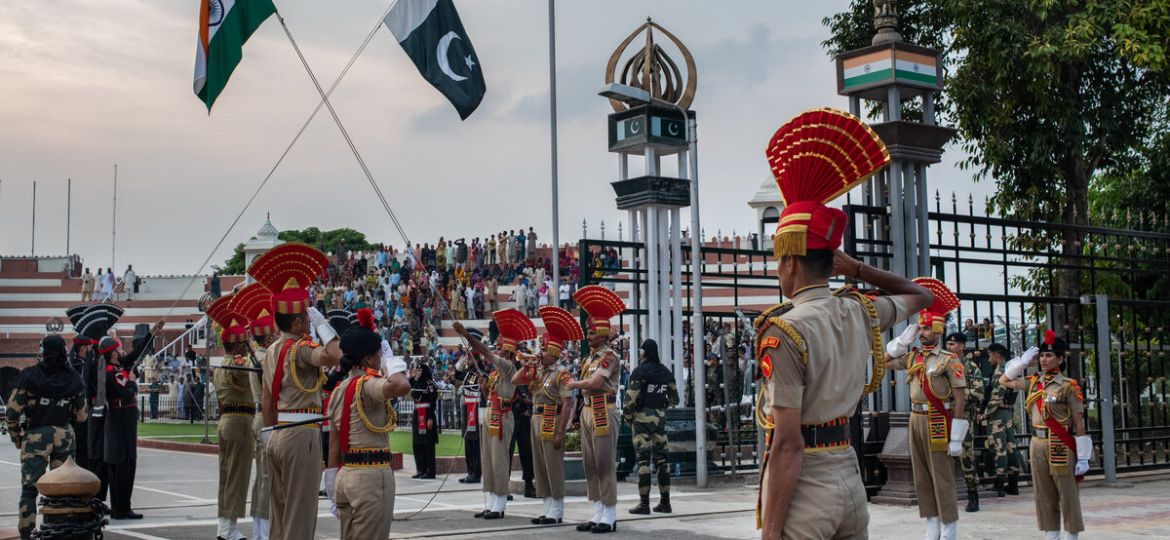
India and Pakistan, two nuclear-armed neighbors in South Asia, have a history of conflict and disagreements that date back to their inception as independent nations in 1947.
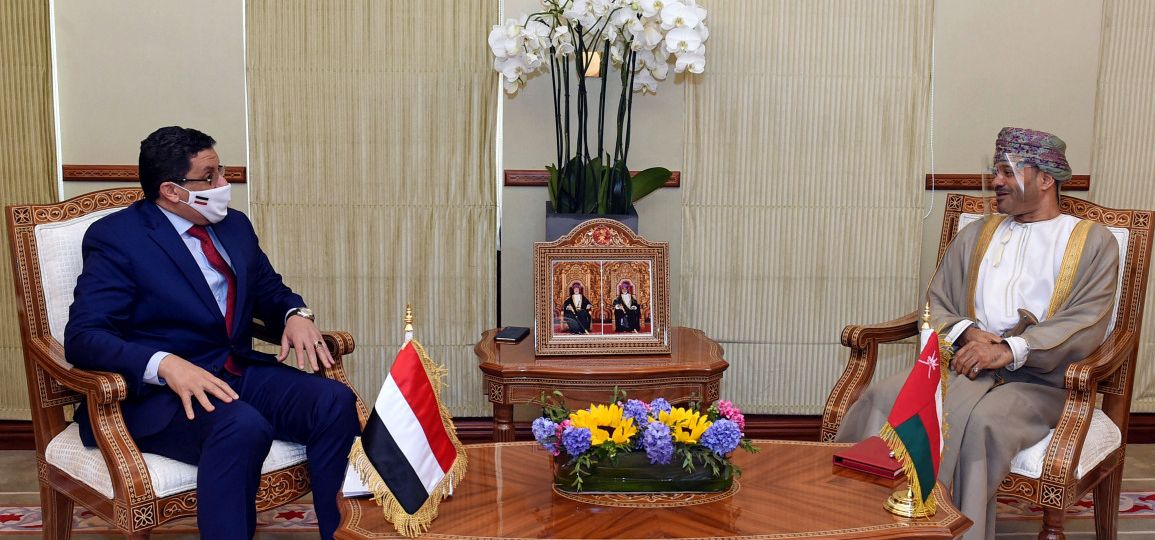
The Omani-Yemeni diplomatic relationship is a long-standing one, shaped by historical ties, geographical proximity, and shared cultural and religious backgrounds.

As Saudi Arabia’s economy moves away from oil the country grows closer to women
The decision to diversify its economy did not come without an internal reshuffling of the norms that the Kingdom has adopted for years. Women, always in the background in the patriarchal society, is becoming one of the driving forces in Saudi’s quest for rebranding.
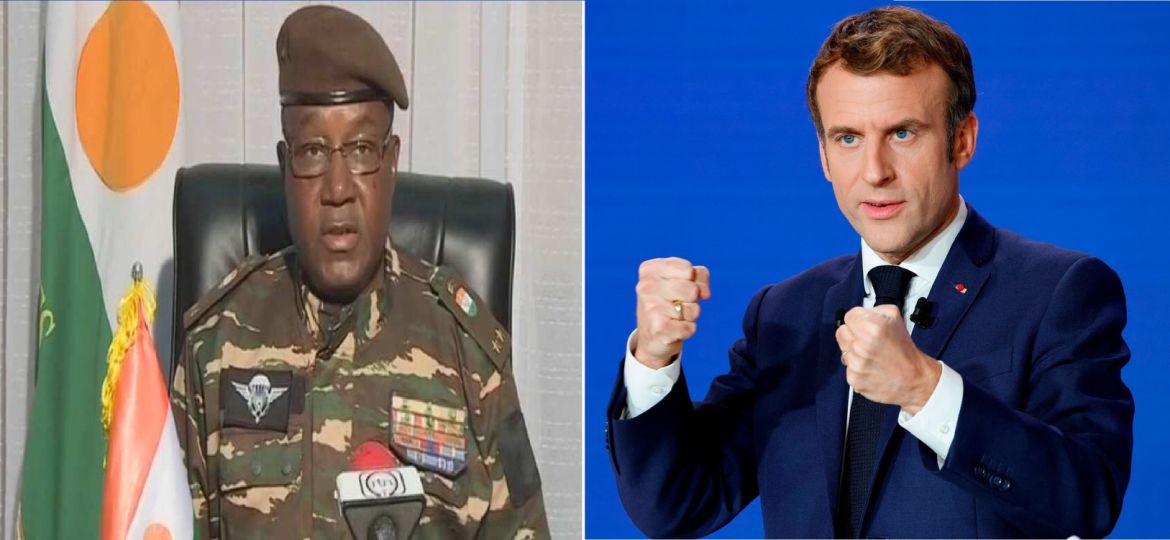
The military coup that toppled Niger’s President Mohamed Bazoum last week produced shockwaves that are still being felt across the continent and beyond.