

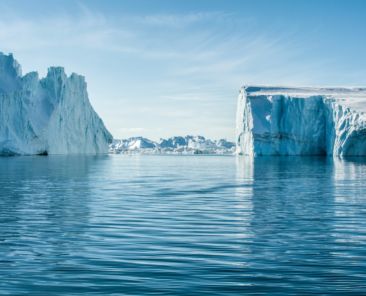
Scientists have found out that the growth of phytoplankton has increased 57% over the two decades. This phenomenon have drastically changed the Arctic’s ability to transform atmospheric carbon into living matter.
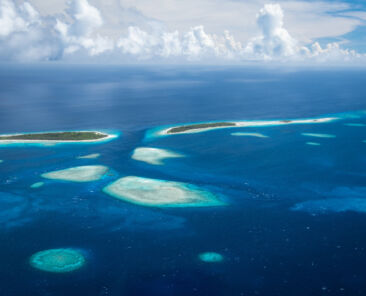
NASA published a feature on 7th of July, that looks at the continuous record of ocean height, as the satellites circling our planet allow to measure sea levels.
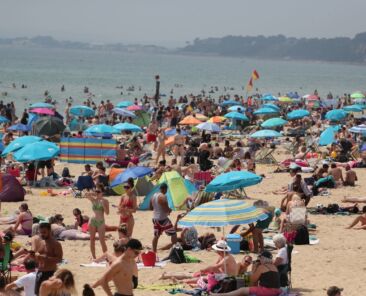
The latest report from Met Office says that temperatures up to 40°C could occur ‘regularly’ in the UK by 2100, if carbon emissions continue to stay high.
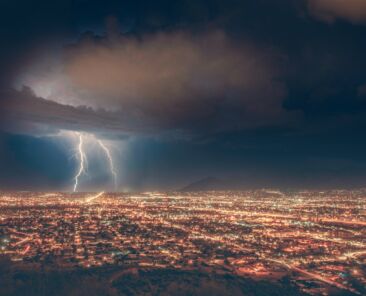
World meteorological organization (WMO) emphasizes the dangers of lightening as many lives it claims every year. In 1975, 21 people in Zimbabwe were killed when a single lightning flash that hit the hut they were sheltering.

Aviation emissions are said to account for about 3% of the EU’s total greenhouse gas emissions. Global Annual international aviation emissions are already around 70% higher comparing 2020 with 2005.
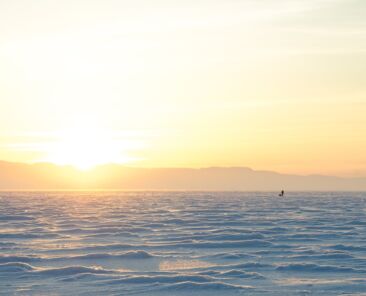
Siberia – one of the coldest regions on Earth – experienced record-breaking May temperatures, which is linked to wildfires, moth swarms and oil spill.

A mural visualises annual average air temperatures in Jersey with 126 stripes representing one year from 1894 through to 2019.

One of the largest oil spills in Russian history was reported at the end of last month. A fuel tank collapsed at a power plant in the city of Norilsk located above the Arctic Circle in Russia’s far north in the Siberian tundra.
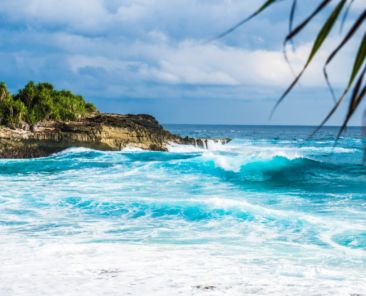
A recent study described Jakarta as one of the cities threatened by rising sea levels due to climate change. Extreme weather, intense groundwater extraction and the destruction of mangroves are among the reasons of Indonesia areas sinking.

Locusts are a species of short-horned grasshoppers which usually exhibit solitary behaviours. However, under certain circumstances, they could change their structural features and behaviour to function as a crowd.