President Petr Pavel Advocates for Euro Monetary Integration
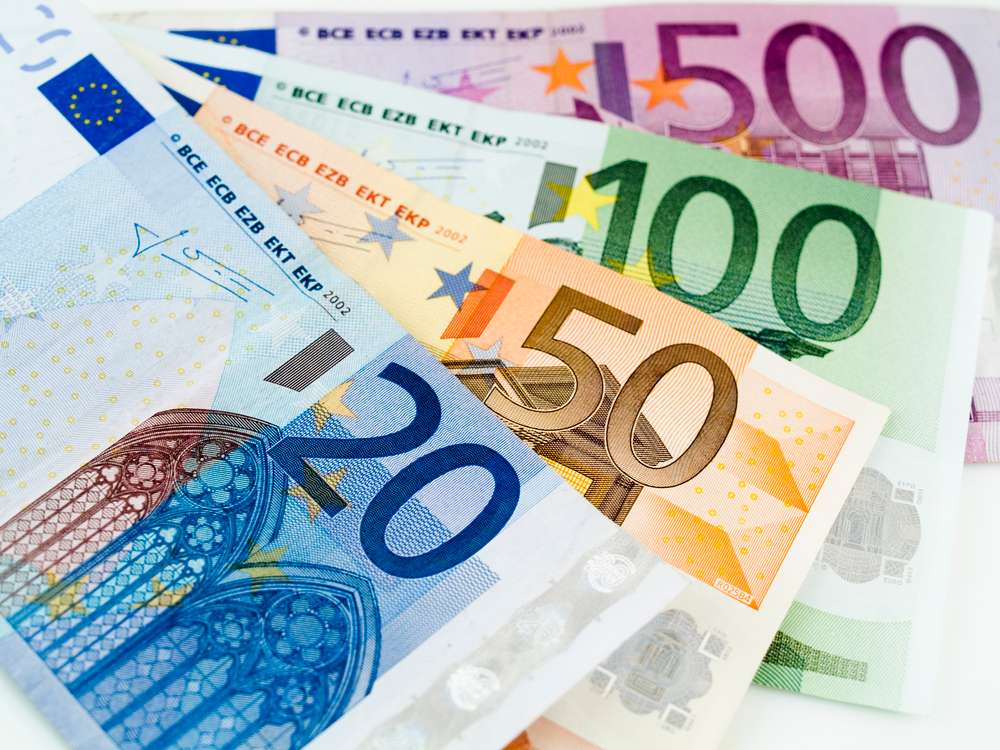
Photo: AFP
The debate surrounding the Czech Republic’s adoption of the euro currency has been rekindled with fervor following Czech President Petr Pavel’s stirring call for fiscal and monetary reform during his inaugural New Year’s address. The president’s pronouncement marks a significant shift in the nation’s discourse concerning its economic future and alignment within the European Union (EU). As a nation with an open and export-driven economy situated at the heart of Europe, President Pavel contends that the transition to the euro is not merely an optional step but a “logical future” for the Czech Republic. The Czech Republic, a member of the EU since 2004, is one of the few member states that have not adopted the euro currency, alongside countries such as Sweden, Poland, and Hungary. The Maastricht Treaty, which the Czech Republic is a signatory to, obliges all EU member states to adopt the euro once they meet specific convergence criteria, including budgetary discipline and stable exchange rates. Despite the obligation, there is no set timeline for the switch, allowing countries to move at their own pace. The country has seen considerable debate on this issue, with public opinion often swaying against the adoption of the euro due to concerns about sovereignty, economic stability, and fear of negative impacts on domestic prices and employment. Previous governments have taken a cautious approach to adoption, opting to keep the Czech koruna while monitoring the eurozone’s development and stability. In his address, President Pavel has outlined a bold vision for the Czech Republic’s future, one that firmly places the nation within the eurozone. He argues that for a country with a significant reliance on exports and whose strategic location makes it a nexus of European trade, the euro currency represents a natural progression that will facilitate easier transactions, reduce currency risk, and solidify the country’s economic standing within the continent. The president’s advocacy for the euro comes at a time when the Czech economy has demonstrated resilience and growth, potentially easing previous economic concerns about the transition. It signals a readiness to undertake the necessary reforms to meet the convergence criteria, including reducing the budget deficit and ensuring price stability.

The path to adopting the euro is fraught with both economic and political challenges. Economically, the Czech Republic must ensure it can meet the stringent criteria without disrupting its own growth and financial stability. This includes maintaining control over inflation and aligning its interest rates with those of the European Central Bank. There is also the concern of ‘euro shock’, where the initial transition may lead to a temporary increase in prices as the market adjusts to the new currency. Politically, the move towards the euro may face opposition from eurosceptic factions within the country who view the adoption as a loss of national autonomy over monetary policy. Moreover, the populace may be resistant to abandoning the koruna, a symbol of Czech sovereignty and stability since its establishment in 1993 after the dissolution of Czechoslovakia. From an EU standpoint, the Czech Republic’s adoption of the euro would be a welcome step, furthering the integration and unity of the member states. It would strengthen the eurozone by increasing its size and influence, and potentially provide a boost to the overall stability of the currency bloc. Additionally, it could send a positive signal to other non-euro EU members that the eurozone remains a viable and attractive prospect despite past financial crises. The move could have geopolitical implications, as it would demonstrate a clear commitment to European integration at a time when the EU faces numerous challenges, from the rise of populist movements to complex external relations. The Czech Republic’s adoption of the euro might also encourage closer collaboration on other fronts, such as defense, security, and foreign policy, further cementing its role within the EU framework. For the Czech Republic, the transition to the euro could yield several economic benefits. The elimination of currency exchange costs would likely foster increased trade with eurozone countries, which are already among the Czech Republic’s main trading partners. This could provide a boost to Czech exporters by simplifying transactions and reducing the risks associated with currency fluctuations. Additionally, the adoption of the euro could attract more foreign investment, as investors often view eurozone countries as more stable and predictable markets. This could lead to job creation and economic growth. The single currency could also mean lower borrowing costs, as being part of the larger eurozone allows for collective negotiation of interest rates, which are typically lower than those of countries outside the euro. These economic benefits must be weighed against the potential costs. The Czech Republic would need to align its fiscal and monetary policies with those of the eurozone, which could limit its ability to respond independently to domestic economic issues. The country would also be contributing to the eurozone’s bailout funds, which could be a point of contention among the Czech public and policymakers. The success of President Pavel’s push for the euro hinges greatly on public opinion and the ability of the government to assure the population that the benefits outweigh the costs. Transparency in the process, clear communication of the steps involved, and the economic rationale behind the move will be crucial in garnering public support. Moreover, the government will need to work closely with EU institutions to map out a feasible adoption timeline and to ensure that the transition is as smooth as possible. This includes technical preparations, such as updating financial systems, as well as public education campaigns to familiarize citizens with the new currency. President Petr Pavel’s call for the Czech Republic to adopt the euro is a defining moment in the nation’s economic history. It has reignited a significant debate about the country’s future in the European Union and the broader global economy. While the path to the euro is laden with challenges, it also presents opportunities for increased economic integration and stability. The Czech Republic’s decision will not only impact its own economic landscape but also contribute to shaping the eurozone’s future. As President Pavel and his administration begin to take concrete steps towards this goal, the entire EU community will be watching with interest, gauging the implications of this potential expansion of the euro currency bloc. The coming years will be a test of the Czech Republic’s commitment to European integration and economic reform. If the country succeeds in fulfilling its commitment to adopt the euro, it would mark a significant transition for the nation and a strong endorsement of the EU’s monetary union.
By Cora Sulleyman