Scroll Top

Stubb and Haavisto Head to Head in Finnish Presidential Runoff

Photo: POLITICO

In the politically charged atmosphere of Finland, the stage is set for a consequential showdown between two prominent figures: Alexander Stubb, the former conservative prime minister, and Pekka Haavisto, the former foreign minister and member of the Green Party, running as an independent. The second round of the presidential election, slated for February 11, is anticipated with great interest not only by the Finns but also by international observers, who are keen to see the direction Finland will take against the backdrop of heightened national security concerns and strained relations with neighboring Russia. The first round of voting, which took place last Sunday, was a tight race with Stubb securing 27.2% of the votes, narrowly edging out Haavisto, who garnered 25.8%. The close margin reflects a nation divided on key issues, yet united in the desire for a strong leader who can navigate the complexities of the current geopolitical landscape. Alexander Stubb, known for his pro-European stance and experience in EU affairs, represents the National Coalition Party, a political group with conservative and liberal ideologies. Stubb’s political career has been marked by a commitment to free-market policies and a strong defense strategy. His tenure as prime minister, although brief, was characterized by efforts to boost the Finnish economy and improve relations within the European Union. As tensions rise in the Baltic region, Stubb’s platform centers on reinforcing Finland’s national security and defense capabilities, while maintaining the country’s commitment to European integration. On the other side, Pekka Haavisto, a seasoned diplomat with a history of working on environmental issues and human rights, brings a unique perspective to the race. Haavisto’s experience as the former foreign minister has given him a deep understanding of international relations and crisis management, particularly in the context of the European Union and the United Nations. His campaign focuses on a balanced approach to security, emphasizing the importance of dialogue and cooperation, as well as the need to address climate change and its impact on global stability.

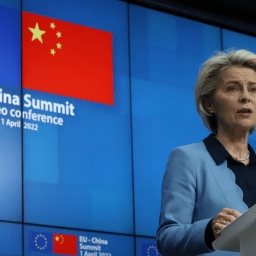
The election comes at a time when Finland’s relationship with Russia is under intense scrutiny. The country’s longstanding policy of military non-alignment is being challenged by Russia’s assertive maneuvers in the Baltic region. As a neighbor to Russia, Finland has maintained a delicate balance between fostering positive relations and ensuring its sovereignty and security. The current political climate has pushed national security to the forefront of the presidential campaign, with both Stubb and Haavisto acknowledging the necessity of strengthening Finland’s defense while also advocating for diplomatic solutions to regional tensions.
The debate over national security has been further amplified by the ongoing discussions in Finland regarding NATO membership. While the country has traditionally been non-aligned, recent events have led to increased public and political discourse on whether Finland should consider joining the North Atlantic Treaty Organization. Both candidates have addressed this issue, with Stubb appearing more open to the idea of NATO membership, whereas Haavisto has taken a more cautious stance, highlighting the importance of a thorough and inclusive national conversation on the matter.
As Finnish citizens prepare to cast their votes in the second round, the outcome of the presidential election will have significant implications for the country’s future. The new president will be tasked with not only shaping Finland’s internal policies but also defining its role on the international stage. The election is not merely a choice between two candidates but a decision on the strategic direction Finland will take amidst the uncertainties of a rapidly changing global order.
The dynamics of the Finnish presidential race have been closely monitored by European allies and Baltic neighbors, who are vested in the stability and security of the region. Finland’s geopolitical position and its robust democratic institutions make the outcome of this presidential election pivotal, especially as the European continent grapples with issues of security and unity in the face of external pressures.
Alexander Stubb’s campaign resonates with voters who prioritize a firm stance on defense and value his experience in European politics. His vision for Finland is one of strength and resilience, ensuring that the country remains a competitive force within the EU, while also safeguarding its territorial integrity. Stubb’s supporters appreciate his articulate approach to policy-making and his ability to communicate complex issues to the public.
Conversely, Pekka Haavisto’s appeal lies in his diplomatic finesse and his commitment to sustainable development. Haavisto’s supporters find his approach to security more holistic, as he places equal emphasis on environmental policy and human rights, alongside traditional defense strategies. His inclusive style of leadership and his expertise in international diplomacy are seen as assets that could steer Finland through the precarious waters of international relations.
The two candidates, though differing in their approaches, both recognize the critical role Finland plays in the Baltic Sea region and the importance of maintaining strong international partnerships. The debates leading up to the second round have been intense, with both Stubb and Haavisto showcasing their visions for Finland’s security, economy, and role in global affairs.
The Finnish presidential election is not only a reflection of the domestic political climate but also an indicator of the broader trends affecting Europe and the West. The rise of geopolitical tensions, the debate over national sovereignty versus supranational alliances, and the urgent need to address climate change are all encapsulated in this electoral battle.
As February 11 approaches, Finnish voters are faced with a choice that will determine their country’s trajectory for years to come. Will they opt for Alexander Stubb’s assertive defense policies and pro-EU stance, or will they choose Pekka Haavisto’s diplomatic approach and focus on green policies? The decision is complex, with implications that extend far beyond Finland’s borders.
This election is not just about selecting a president; it is about setting a course in a world where the traditional lines of alliance and conflict are being redrawn. The voters’ decision will resonate through the corridors of power in Helsinki, Brussels, Moscow, and beyond, as the international community eagerly awaits the outcome of Finland’s presidential race. The result will signal the country’s stance on security, its commitment to environmental and human rights issues, and its readiness to face the challenges of the 21st century.
Regardless of the outcome, the Finnish presidential election of 2024 is a testament to the resilience of the nation’s democratic processes and the engagement of its citizens in shaping the future of their country in uncertain times. As Stubb and Haavisto prepare for the final leg of their campaigns, Finland and the world watch with anticipation, understanding that the implications of this election will reverberate through the delicate balance of Northern European security and the strategic decisions of nations across the globe.
By Roberto Casseli

Related Posts