Portuguese Parliament in Disarray: The Struggle for Unity and Leadership
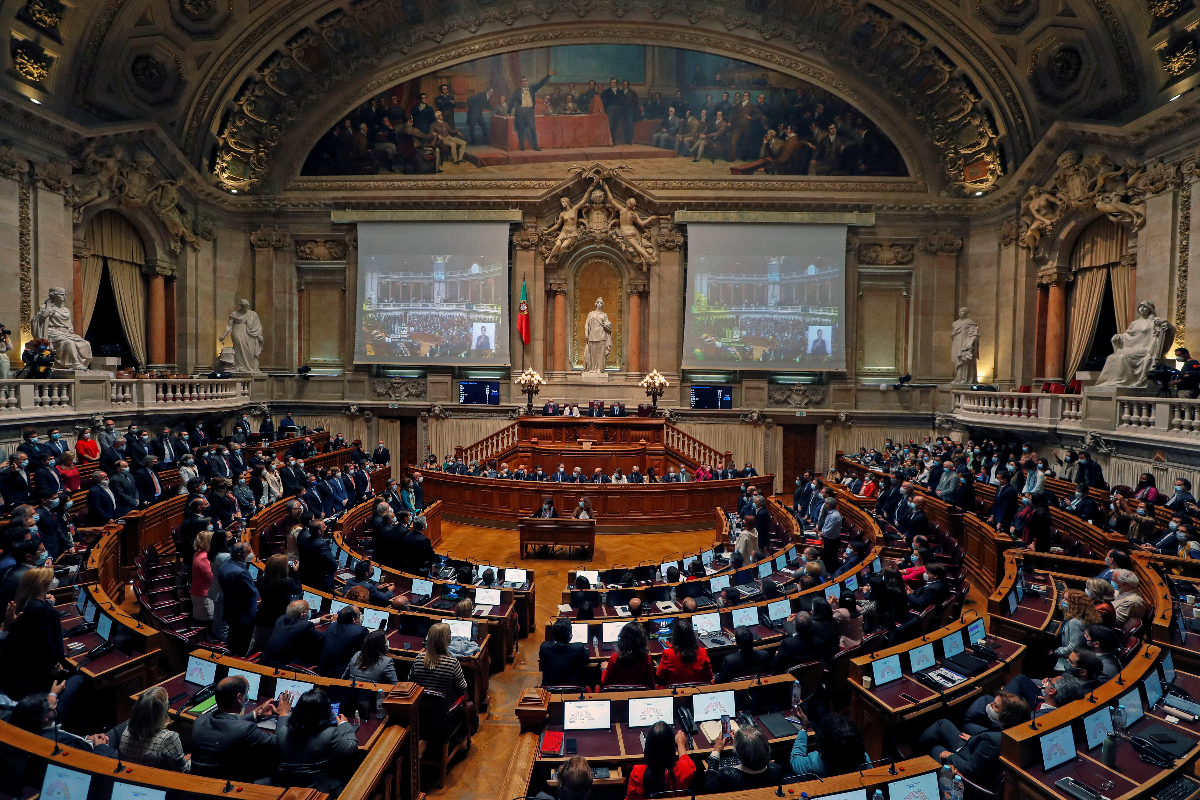
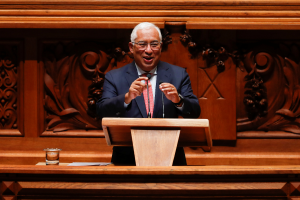
Photo: AFP
In the picturesque halls of São Bento Palace, the echoes of a politically fragmented Portugal have grown louder. The recent parliamentary assembly, convening for the first time since the contentious election on March 10, has been marred by an unexpected display of division, undermining the initial steps of governance and casting a shadow of uncertainty over the nation’s political future. The crux of the stalemate lies in the failure to elect the president of the Portuguese Parliament. In what was anticipated to be a straightforward affair, the only candidate put forth for the role, Deputy José Pedro Aguiar-Branco from the moderate right-wing party PSD (Social Democratic Party), fell short of securing the necessary majority of 116 votes. This result sent shockwaves through the legislature, as it revealed the underlying tensions among the ruling party, the opposition, and the insurgent far-right faction. The PSD, having clinched a narrow victory in the parliamentary elections, was poised to exert its influence and set the tone for the new government. However, the party’s margin of success did not translate into a commanding presence within the chamber, where cooperation with other political groups would become essential for stability. Aguiar-Branco’s defeat thus exposes the delicate balance of power that the moderate right must navigate.