The Leader of Romania’s opposition fights back against the Deep State and defends Georgescu


Religion, as a complex system of beliefs, rituals, moral codes, and shared narratives, is a universal phenomenon that dates back to the earliest human societies.

Climate change has been a significant issue in Europe over the past decade, and its impact on the population has been major.


South Africa, a country known for its rich cultural heritage and breathtaking landscapes, continues to grapple with a myriad of deep-rooted socioeconomic challenges.

Australia and China have made a move to improve their ties, as Australian Prime Minister Anthony Albanese disclosed the restart of around $20 billion in trade
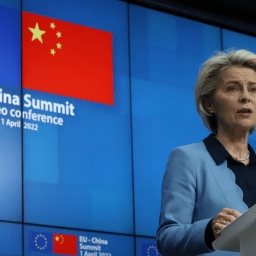
The economic and trade relations between the two economic powerhouses, China and Europe, have been consistently grabbing global attention. The potential and prospects for cooperation in various sectors are seen as game-changers in the global economic landscape.
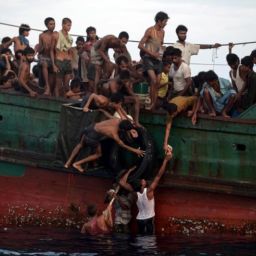
Hundreds of Rohingya refugees stuck at sea Hundreds of Rohingya…
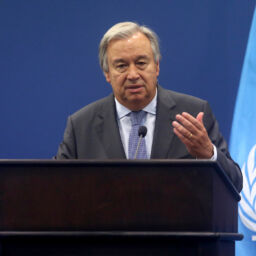
Guterres was met at Mogadishu airport by Somali Foreign Minister Abshir Omar Huruse, according to images circulated on social media.

The lie in Ukraine is becoming explosive, and you could see this the other day from the mind-boggling statements made to a famous moderator by Volodymyr Zelenskiy, the actor-turned-president

Too many individuals believed that fighting was similar to playing a computer game, 70 years after the Second World War.

As the crescent moon heralds the arrival of Ramadan, the holy month of fasting and reflection for Muslims around the globe, King Salman bin Abdulaziz, the sovereign of Saudi Arabia, has utilized this spiritually significant moment to address a pressing humanitarian concern.

As the country spends another month in lockdown, record falls affected all areas of the activity – noticeable changes seen in the production, services and construction.
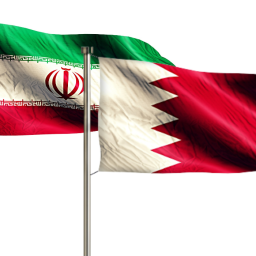
Iran-Bahrain relations have always been associated with many ups and downs throughout history During this time the two countries repeatedly cut ties between them and then revived it again.
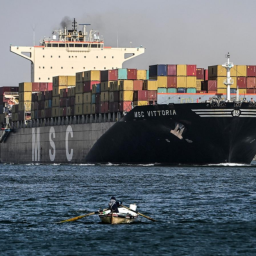
The Red Sea, a crucial maritime route that connects the Mediterranean Sea to the Indian Ocean via the Suez Canal, has long been a linchpin in the global trade network.
