

Yesterday, Sunday, from a foreign policy perspective, the attention of the interested world was focused on Russia.
Latest news

From British families told to stockpile canned food to Baltic evacuation plans and warnings of Russian attacks disguised as accidents, a continent that spent three years watching a war on its edge is now bracing for the possibility that it reaches everyone.


The summer Romania built a crisis: ambulances without fuel, a President who does nothing and a political class that flew away.
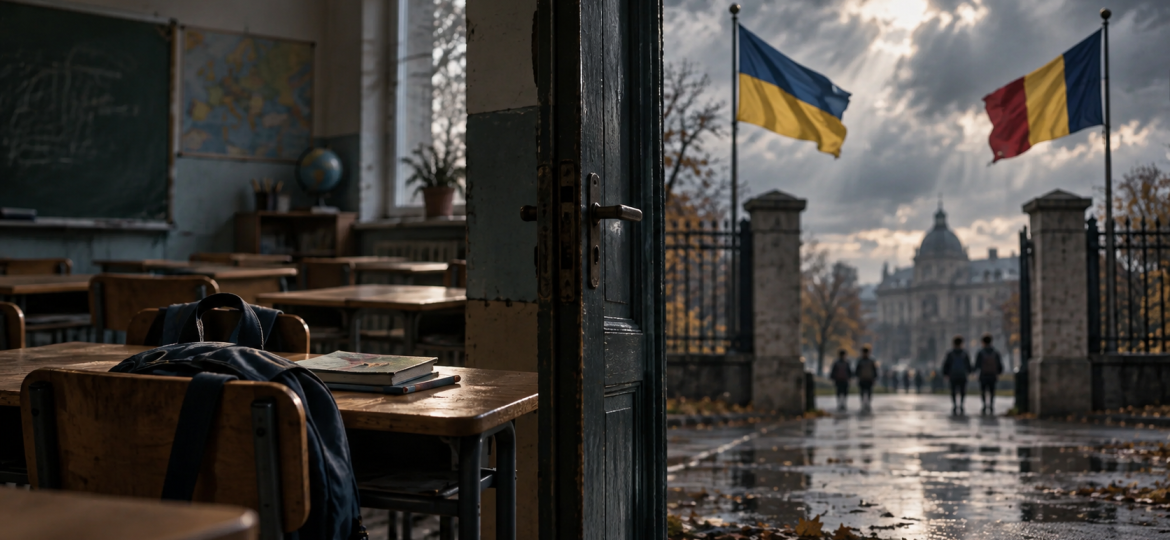
A Romanian-language first-grade class in Orlivka, Ukraine, was opened on Sept. 1. Four days later, it was shut down.

This weekend, Russia is holding the ninth legislative election in its post-Soviet history, an event that has largely escaped public attention because of the lack of clear analysis of these elections in the Western press.

The subject I want to address today is Ukraine, and the long-standing concerns that I and the members of the GOLD Think Tank have had about the problems we would eventually face with this country.
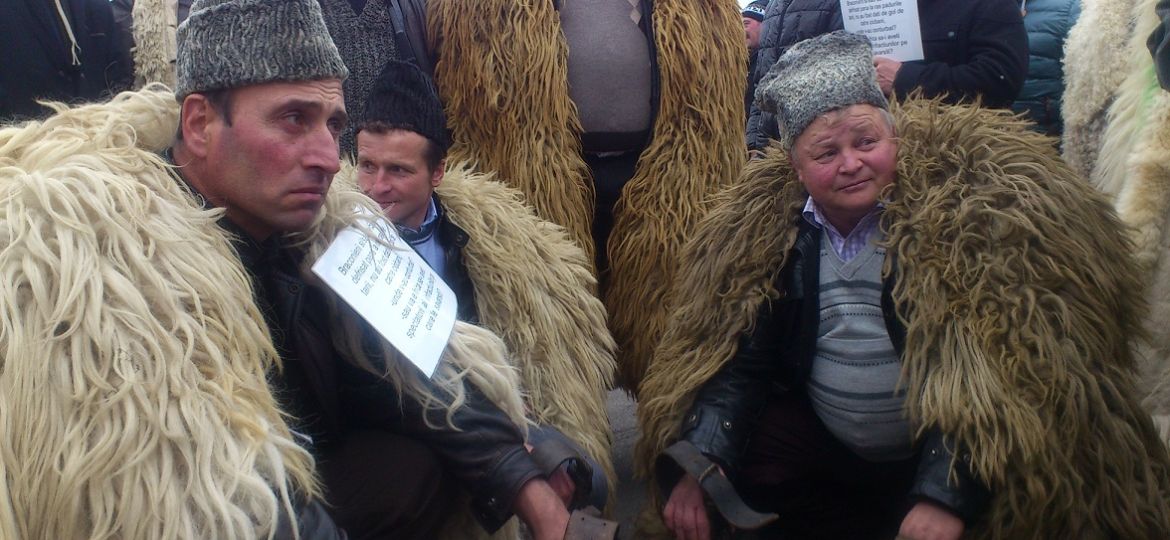
Since the first cold hours of the morning, the square in front of the Romanian Government has begun to fill—not merely with people, but with a grief that has been accumulating for months, perhaps years.
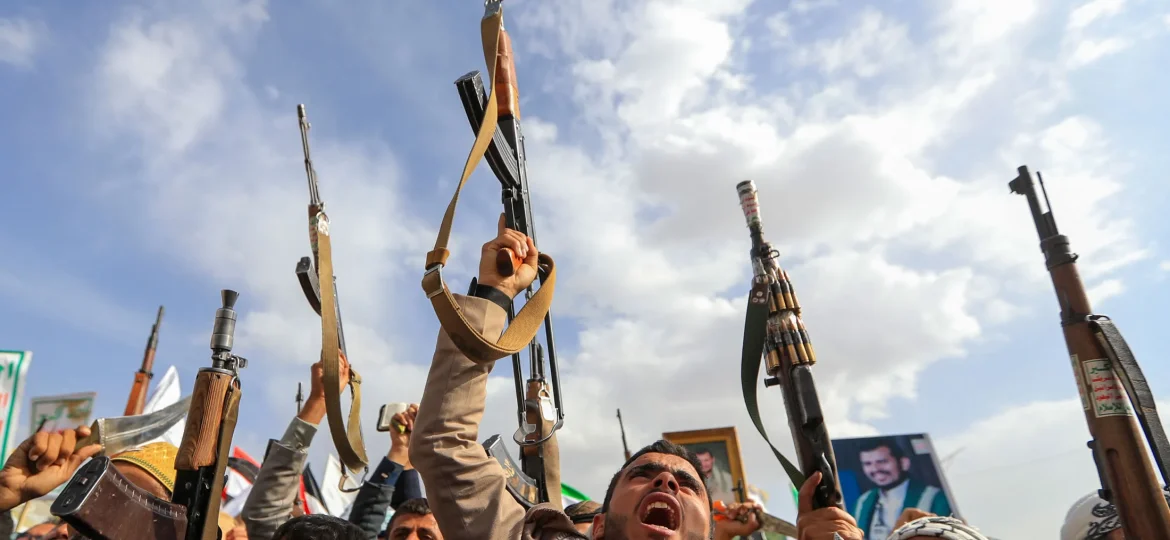
Houthi fighters have seized a strategic Red Sea port, missiles have struck Saudi oil facilities, and more than 80,000 people have fled their homes.
The BRICS summit in India has just wrapped up, and it was a remarkably effective one: unified, and unmistakably assertive in the geoeconomic signals it sent.