Scroll Top

The EU’s Call for Measured Discourse: Borrell’s Statement on the Unlikelihood of Imminent War with Russia
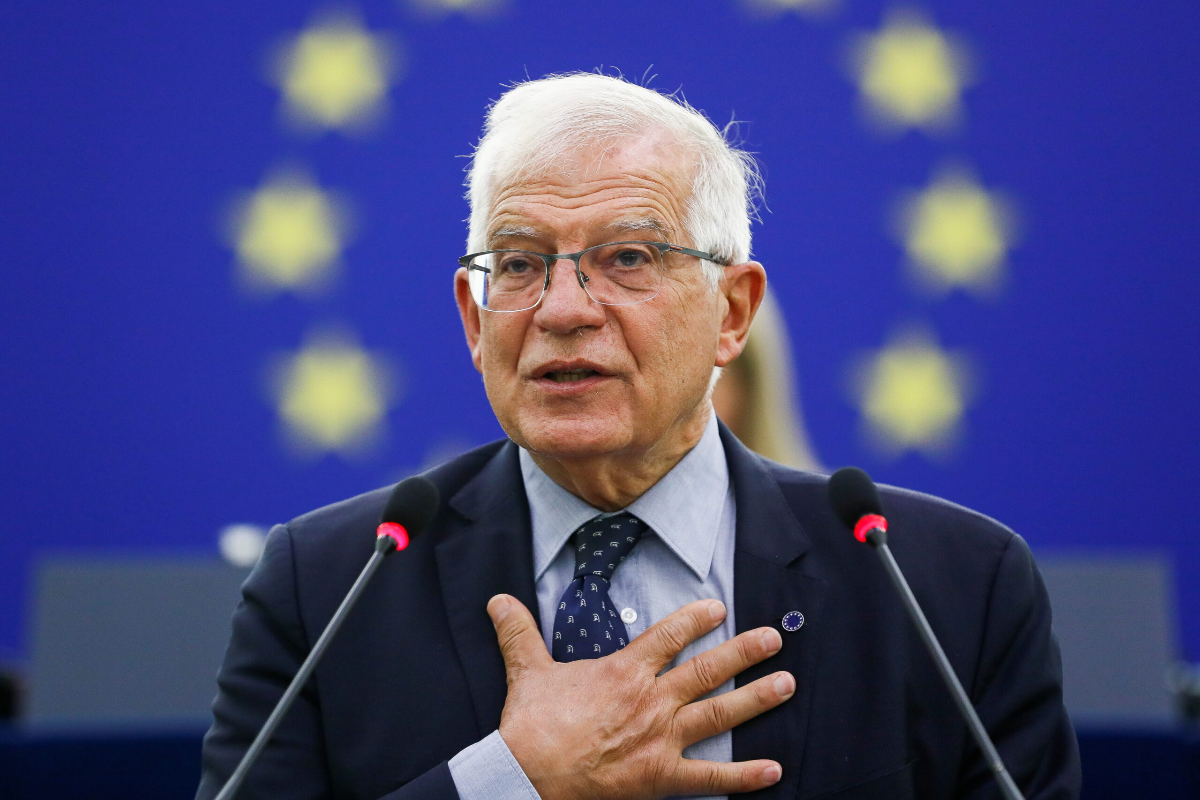
Photo: Reuters

In a time when the specter of conflict looms large in the collective consciousness of Europe, the European Union’s High Representative for Foreign Affairs, Josep Borrell, delivered a message of cautious realism. Speaking on Thursday amidst a climate of heightened tension and speculation, Borrell made it clear that despite the challenges facing the EU, the prospect of a war with Russia is not immediate. Borrell’s comments came as a measured response to the growing wariness within the EU bloc regarding Russia’s intentions and military posturing in the region. His statement was issued at a critical juncture, as European leaders convened in Brussels to deliberate on a host of issues, not least among them the security and foreign policy stance of the Union in the face of Russian activities. “The call to Europeans to be aware of the challenges they face is good, but we must not exaggerate either. War is not imminent. I hear some voices saying that war is imminent. Definitely, war is not imminent,” Borrell emphasized, seeking to instill a sense of balance in the public discourse. This emphasis on a pragmatic approach highlighted a desire to maintain diplomatic avenues open while not downplaying the seriousness of the geopolitical tensions at play.
Borrell’s remarks serve as a reminder that the language used in discussing international affairs carries significant weight. Exaggerations or unwarranted alarmism can have far-reaching consequences, potentially escalating situations unnecessarily or causing panic among populations. In providing a sober assessment, the EU’s foreign policy chief aimed to alleviate fears and refocus the conversation on constructive engagement and preparedness rather than pre-emptive despair.
Analysts have noted Borrell’s attempts to navigate the delicate line between vigilance and hysteria. In recent years, the European Union has faced a complex array of threats and challenges—ranging from cyber attacks, disinformation campaigns, and political interference to the more traditional concerns of territorial aggression and military brinkmanship. The EU’s stance, as articulated by Borrell, underscores the importance of remaining alert and aware of these multifaceted threats without succumbing to the counterproductive narratives of inevitable conflict.
The context of Borrell’s statement cannot be understated. The European continent has not witnessed a conflict of the scale of a war between its major powers in over 75 years. The formation of the European Union itself was predicated on the idea of ensuring peace and stability through economic and political integration. The very thought of a war within its borders, or with a neighboring power such as Russia, evokes memories of a dark past that the bloc is resolutely committed to preventing from reoccurring.
As the summit in Brussels unfolded, leaders were expected to weigh Borrell’s words against the backdrop of their own national security assessments and the collective defense posture of the EU. The conversation was likely to encompass a broad range of responses, from reinforcing deterrence capabilities and enhancing military cooperation to engaging in diplomatic efforts aimed at de-escalating tensions with Russia. Moreover, Borrell’s call for an end to exaggerations was not only addressed to the leaders and policymakers but also to the media and the general public. His aim was to encourage a discourse grounded in facts and strategic analysis rather than one driven by sensationalism or fear-mongering.
By Roxana Stanica

Related Posts