Scroll Top

Paving New Pathways: Iraq, Turkey, Qatar, and UAE Embark on a Historic Joint Venture
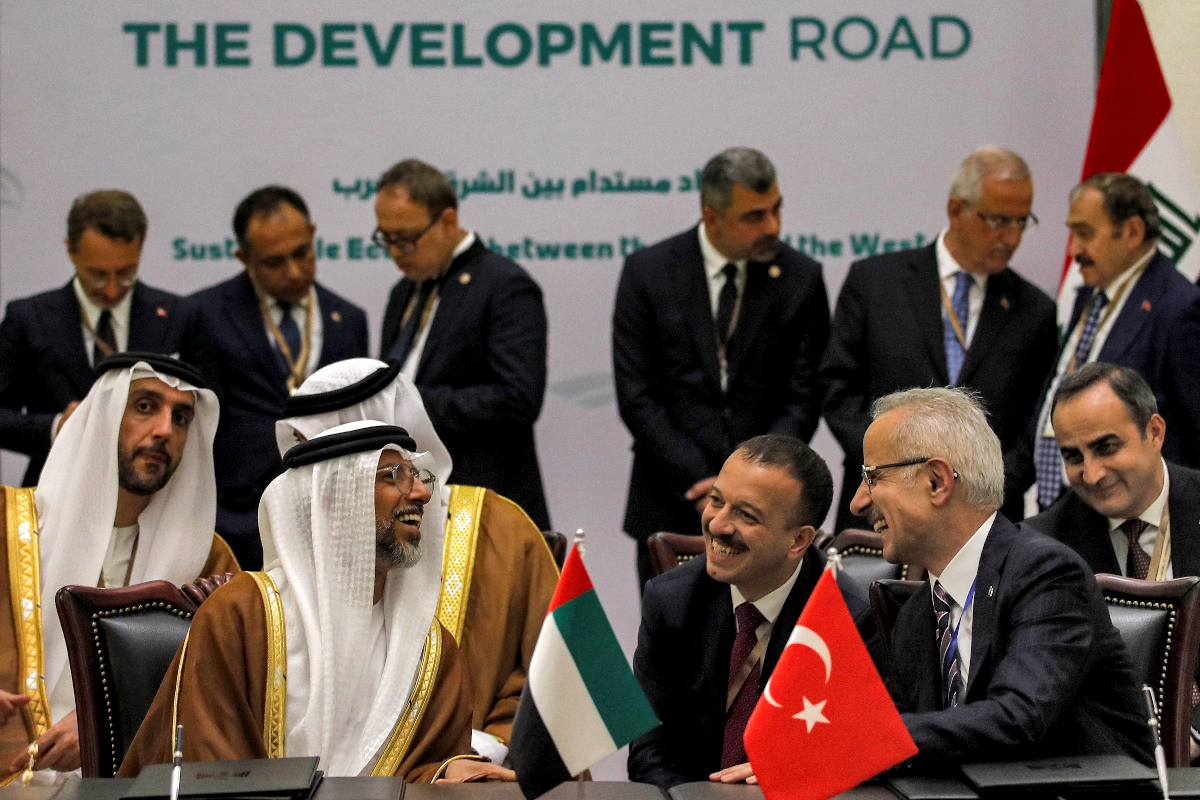
Photo: Reuters

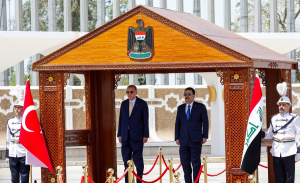
Iraq has partnered with Qatar, the United Arab Emirates (UAE), Turkey, and other major regional partners in a ground-breaking effort that could revolutionise the Middle East’s economic environment. Not only is the signing of a preliminary agreement in Baghdad historic for the participating countries, but it also holds great potential for the region’s economic recovery. The historic signing took place against the backdrop of Turkish President Recep Tayyip Erdogan’s landmark visit to Iraq—his first in over a decade. The visit underscored a thaw in political relations and a concerted push towards fostering stronger economic ties between Iraq and its regional partners. Only a fortnight earlier, Iraq had laid the groundwork for regional telecommunications integration with an agreement with Kuwait to establish a telecom route. This route, aligned with the broader Development Road to Europe, is set to create a digital bridge linking the Gulf states with the European continent.

The scope of the recent agreement extends beyond digital connectivity. The ambitious cross-border transport network, unveiled last year, aims to connect the Gulf countries with Turkey by creating an extensive road and rail system. This major infrastructure project includes the construction of approximately 1,200 kilometers of two-way rail tracks and a state-of-the-art motorway, stretching from Al Faw in Iraq’s Basra province to the Turkish border in the north.
The potential benefits of such a comprehensive transport network are manifold. Economically, it promises to stimulate trade and investment by providing a faster, more efficient route for goods and services between Europe and the Gulf states. This could prove to be a windfall for Iraq, a nation eager to rebuild and diversify its economy after years of conflict and instability.
The project is about more than just economic gains. It is a testament to the growing recognition among regional powers of the strategic importance of infrastructure development as a means of ensuring long-term, sustainable growth. By building physical connections, these nations are also forging stronger diplomatic and cultural ties, laying the foundation for a more integrated and cooperative Middle East.
The infrastructural development, particularly the rail and road components, will also have a significant environmental impact by potentially reducing the carbon footprint of transportation in the region. Rail transport, in particular, is known for being more energy-efficient and less polluting than road or air travel, which aligns with global efforts to combat climate change.
To realize this grand vision, however, the countries involved will need to navigate a complex landscape of political, technical, and financial challenges. These include securing the substantial investment required, ensuring the seamless coordination of infrastructure across different jurisdictions, and addressing any geopolitical tensions that might arise.
Nevertheless, the signing in Baghdad is a clear signal that the political will exists to confront these challenges head-on. With the support of regional powerhouses like Turkey, Qatar, and the UAE, Iraq is poised to not only rebuild its own economy but also to play a pivotal role in the economic integration of the Middle East.
The project, which has been plagued by conflict for a long time, is a ray of hope as it transitions from the design board to reality. By connecting the Gulf with Europe via a state-of-the-art, effective transportation system, these countries are doing more than just constructing roads and railroads; they are laying the groundwork for a new Middle East where regional cooperation and economic prosperity coexist.
By Cora Sulleyman

Related Posts