Scroll Top

Prime Minister of Romania to Boycott 2024 Olympic Games Closing Ceremony Over Controversial Gymnastics Decision
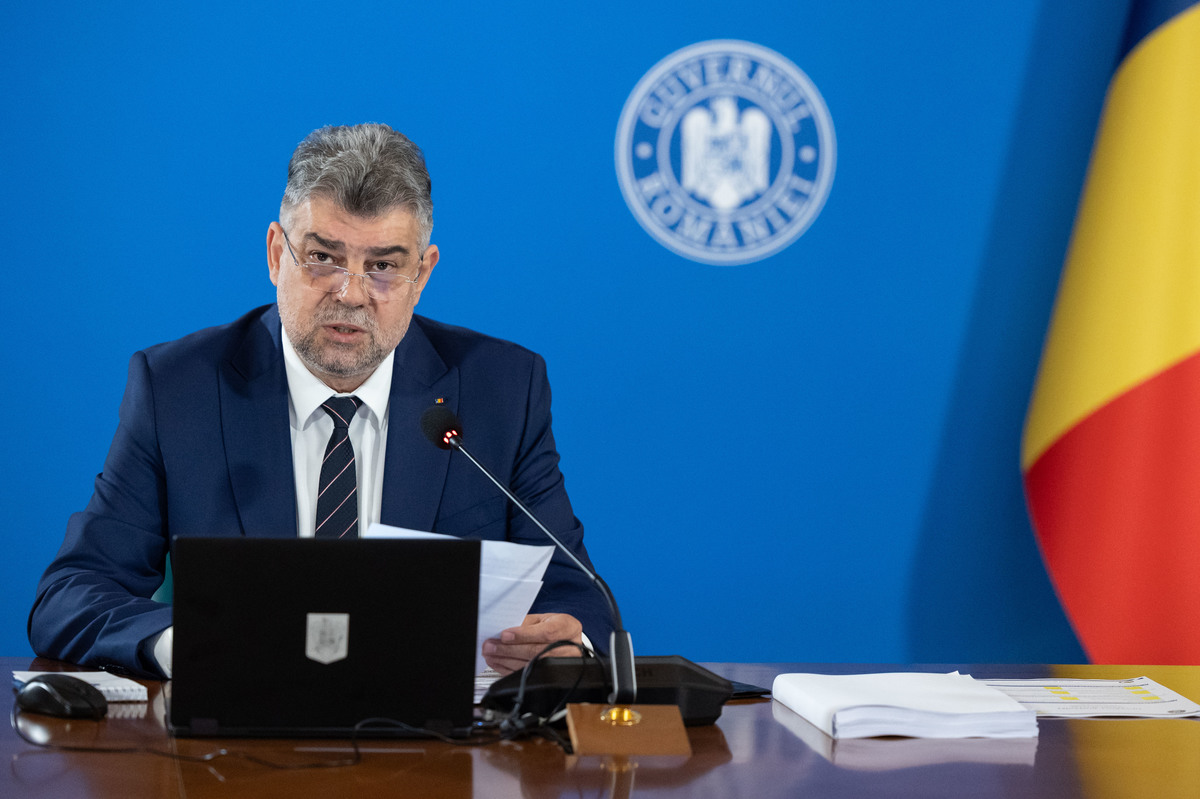
Photo: gov.ro

Marcel Ciolacu, the prime minister of Romania, has unexpectedly declared that he will not be attending the Olympic closing ceremony in Paris in 2024. This brave action follows the gymnastics referees’ contentious ruling, which infuriated Romanians and the global sports world. Ana Maria Bărbosu, a promising young Romanian gymnast, was seen as a strong contender for a medal in the floor exercise final. However, her dreams and the hopes of many Romanians were dashed when she was disqualified under contentious circumstances. The disqualification, which many believe to be fraudulent, resulted in the bronze medal being awarded to a competitor from the United States. Prime Minister Ciolacu expressed his deep dissatisfaction with the referees’ decision, describing it as a grave injustice not only to Bărbosu but to the spirit of fair play that the Olympics are supposed to embody. “The decision to disqualify Ana Maria Bărbosu was not only unfounded but also an affront to the integrity of the sport,” Ciolacu stated. “It is a clear indication of bias and manipulation that cannot be tolerated.”
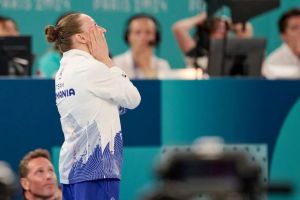

The Romanian Prime Minister’s decision to boycott the closing ceremony is a significant political statement. It underscores the gravity of the situation and highlights the growing concerns about fairness and transparency in international sports. Ciolacu’s stance is also a show of solidarity with Bărbosu and a message to the international community that Romania will not stand by silently in the face of such injustices.
The controversy has stirred significant debate within the gymnastics community and beyond. Many experts and former athletes have voiced their support for Bărbosu, calling for a thorough investigation into the referees’ decision. Some have even suggested that the disqualification was influenced by external pressures and biases, pointing to the broader issues of governance and accountability in international sports.
Ana Maria Bărbosu, in her statement following the disqualification, expressed her disappointment but remained composed and dignified. “I have always believed in the values of hard work, dedication, and fair competition. This decision is a setback, but it will not deter me from continuing to pursue my passion and dreams,” she said.
The International Olympic Committee (IOC) and the International Gymnastics Federation (FIG) have yet to respond formally to the allegations. However, the incident has undoubtedly cast a shadow over the 2024 Olympic Games, raising critical questions about the integrity of the officiating process and the measures in place to ensure fairness.
Marcel Ciolacu’s decision to boycott the closing ceremony is a powerful act of protest. It serves as a reminder that the values of fairness, transparency, and integrity must be upheld in all sporting events. As the world watches, the hope is that this incident will prompt necessary reforms and lead to a more equitable and just sporting environment for all athletes.
The 2024 Olympics, while a celebration of athletic excellence, now also stand as a call to action for sports officials and governing bodies worldwide to address and rectify the flaws within their systems. Romania’s stand, as symbolized by Ciolacu’s boycott, is a step towards ensuring that the true spirit of the Olympics is preserved for future generations. 
By Sara Colin

Related Posts