Fentanyl and the forgotten epidemic

Drug addiction is a more subtle and pernicious scourge that continues to take a devastating toll on lives in a society when headline-grabbing problems dominate the news. This global health problem has become a full-blown disaster due to the rise of synthetic opioids like fentanyl, which is wreaking havoc on families and communities everywhere from Mexico to Europe, Asia, and beyond.
However, there are still significant problems with the way we handle addiction. We penalize it rather than address it as the public health emergency that it is, which keeps individuals stuck in cycles of neglect, humiliation, and punishment. In addition to being ineffectual, this antiquated method is actively making matters worse. It’s time to shift our perspective and address addiction with the compassion and care it so desperately requires.
Why is Fentanyl such a big issue?
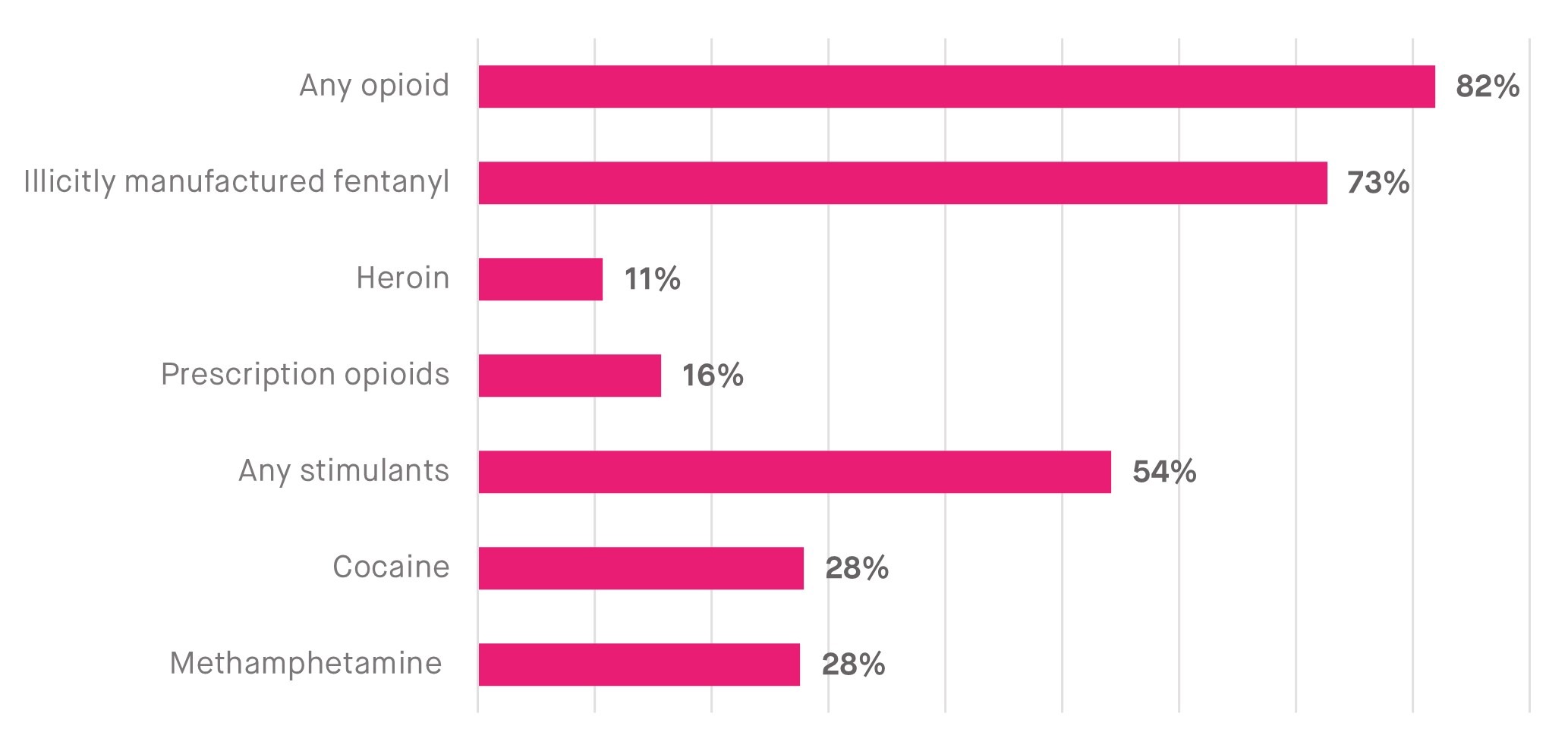
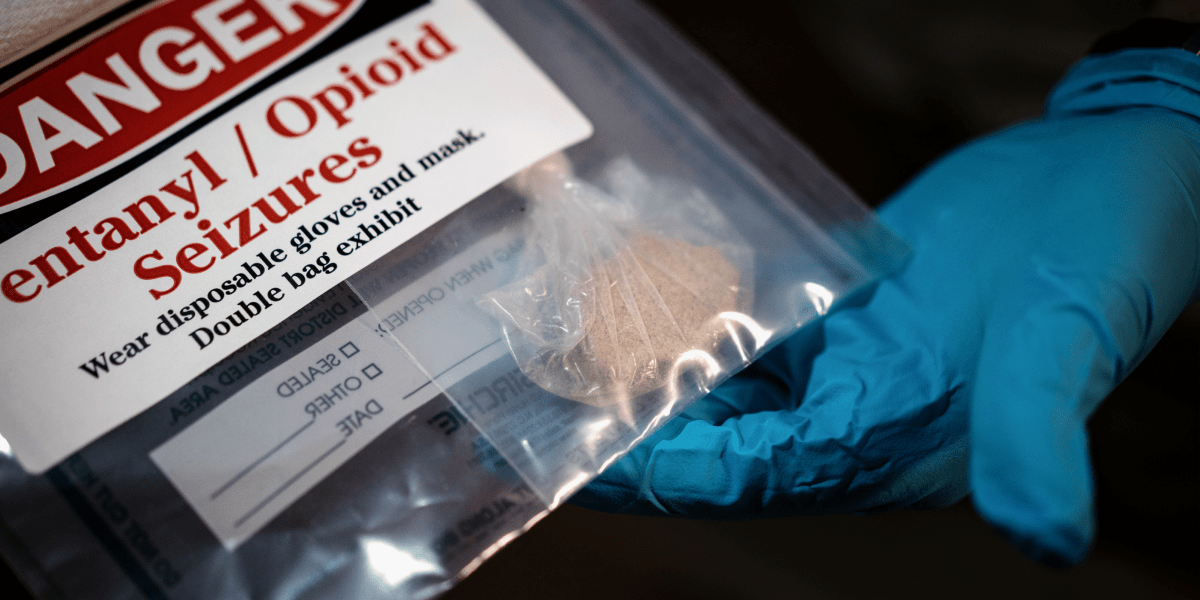
Fentanyl, a synthetic opioid up to 50 times stronger than heroin, has redefined the landscape of addiction. It’s cheap to produce, easy to distribute, and devastatingly potent. The numbers paint a grim picture: in the UK, opioid-related deaths hit record highs in 2022, with fentanyl playing a significant role. In Canada, the crisis is staggering, with six opioid-related deaths every single day.
Despite this, many countries continue to rely on punitive measures to tackle drug addiction. People caught with small amounts of drugs face jail time, but the underlying causes of their addiction—trauma, poverty, mental health struggles—are ignored. The result is a revolving door of incarceration and relapse, costing billions in enforcement while leaving addiction rates largely untouched. Worse, the stigma surrounding addiction prevents many from seeking help, fearing judgment or legal consequences
What needs to change?
When we view addiction as a health issue rather than a moral failing, everything changes. Solutions that work—like harm reduction, treatment, and prevention—become the focus, replacing punishment and stigma with support and hope. We’ve already seen what’s possible. Take Portugal, for example. By decriminalizing personal drug use and investing in public health interventions, the country reduced overdose deaths by over 80%.
Public awareness campaigns have the power to change how we see addiction. When we start viewing it as a treatable illness rather than a moral failing, people struggling with addiction will feel safer reaching out for help. This shift can also inspire communities to come together and support real, effective solutions. But we can’t ignore how we got here. The opioid epidemic didn’t just happen—it was fueled by the aggressive marketing of addictive painkillers by pharmaceutical companies. They lit the fuse, and now it’s up to governments to hold them accountable.
The fentanyl crisis is a stark reminder that addiction knows no borders. It affects every demographic, every community, every socioeconomic class. But this crisis also gives us an opportunity to rethink how we address addiction. Treating it as a public health issue isn’t just humane—it’s effective. The evidence is overwhelming: healthcare and compassion save lives. Punishment and shame do not. Every life lost to fentanyl is a preventable tragedy. Every delay in addressing this crisis is a failure of leadership. We cannot afford to wait. The time to act is now—not with more handcuffs, but with open doors to treatment, support, and dignity.
By Ioana Constantin