EU Struggles to Agree on Migration Laws: The Clash between Germany and Italy
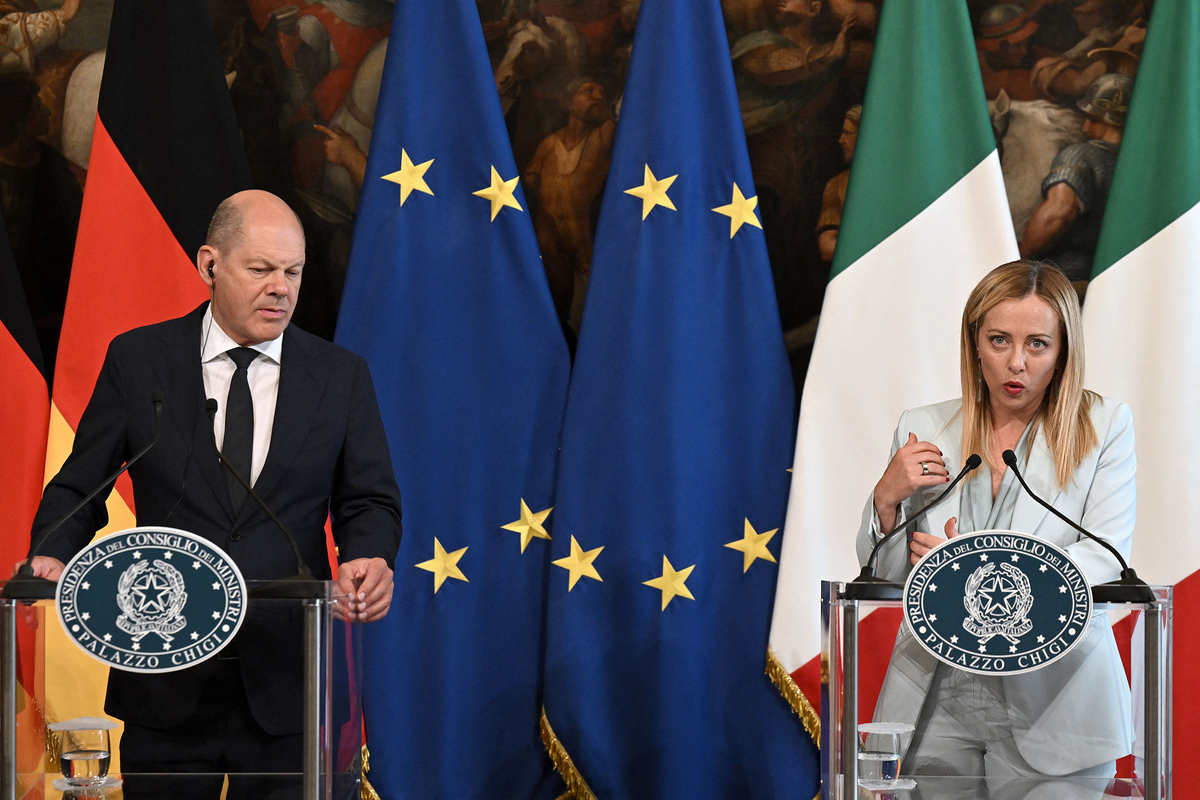
Photo source: Reuters
As the European Union continues to grapple with the ongoing migration crisis, recent attempts to modify existing migration laws have hit a roadblock. The primary cause of this impasse is the disagreement between two of the most powerful member states: Germany and Italy. Germany, with its booming economy and low birth rates, sees migration as a potential solution to its demographic challenges. It has long been in favor of a more open policy and a quota system that allows for a balanced distribution of refugees and asylum seekers across the EU member states. This view is rooted in the belief that the burden of migration should be shared equitably among all EU countries. On the other hand, Italy, situated on the frontlines of the Mediterranean migration route, has been grappling with the immediate and overwhelming challenges of migrant arrivals. Italy has consistently pushed for a more stringent approach, arguing that the current EU migration policies are ineffective and unfairly penalize countries on the geographical frontline of the crisis. The disagreement between these two nations has led to a stalemate, impeding the progress of much-needed reforms to the EU’s migration laws. This tension has come to symbolize the broader struggles within the EU over the question of immigration, reflecting the differing national interests, socio-economic situations, and domestic political climates of its member states.

At the heart of Germany’s position is the principle of solidarity among EU member states. This principle is enshrined in the EU’s founding treaties and has been a cornerstone of its approach to numerous challenges, from economic crises to pandemics. Germany argues that the same principle should apply to the migration crisis. The country’s leaders have advocated for a quota system that would distribute refugees and asylum seekers according to each country’s capacity to absorb them. However, Italy’s experience as the first point of entry for many migrants has shaped its perspective. Italian leaders argue that the current system disproportionately burdens frontline states like Italy, Greece, and Spain. They call for a comprehensive overhaul of EU’s migration policies, including a more robust external border control and greater assistance for the countries of origin and transit to manage migration flows. This dispute has led to a stalemate that paralyzes the EU’s migration policy reform. The EU Commission, the executive branch charged with proposing and implementing EU legislation, has been striving to find a compromise between these diverging national interests. However, any proposed reforms require the unanimous agreement of all EU member states, making consensus difficult to achieve. The failure of the EU to agree on changes to migration laws has serious implications. It hampers the EU’s ability to respond effectively to the migration crisis, leading to human rights concerns and exacerbating social and political tensions within and between member states. It also undermines the EU’s credibility and solidarity, both internally and externally. Moving forward, it is clear that a compromise solution must be found if the EU is to confront the migration crisis effectively. This will require sustained dialogue and negotiation between member states, with a balanced approach that respects the legitimate concerns and capacities of each country. It will also necessitate further collaboration with countries of origin and transit and the international community, to manage migration flows in a sustainable and humane manner. The clash between Germany and Italy symbolizes the fundamental challenges that the EU faces in reforming its migration laws. It underscores the need for a collective, balanced, and sustainable approach to migration, grounded in the principles of solidarity, responsibility-sharing, and respect.
By Paul Bumman