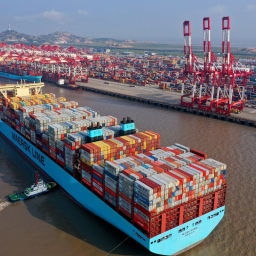
The effects of the war in Iran on Europe

Photo: Reuters
As noted in previous articles, the EU is facing a critical period in its history in many respects. It is currently facing a situation where it is not directly involved in the conflict in the Middle East, yet the economic effects affecting the continent are absolutely significant. The war against Iran unleashed by the United States and Israel goes beyond geopolitical consequences: it risks directly impacting—and in many cases, this is already happening—citizens’ wallets as well. Much will depend on the scenario that unfolds in the coming days. The first is for a short-lived crisis, with a subsequent normalization of prices, especially for oil and gas, by the summer. In this case, growth would not be significantly affected, and thus, essentially, inflation would not experience significant spikes either. The second, which instead envisions a longer period of raids, bombings, and fighting, would lead to more frequent interruptions in energy supplies, with cascading increases in prices, from fuel to food. Goldman Sachs claims that this latter scenario would lead to crude oil stabilizing around $100, if not higher, a barrel (Brent is currently trading at $104, while WTI is around $95), impacting global growth by about 0.5%.