

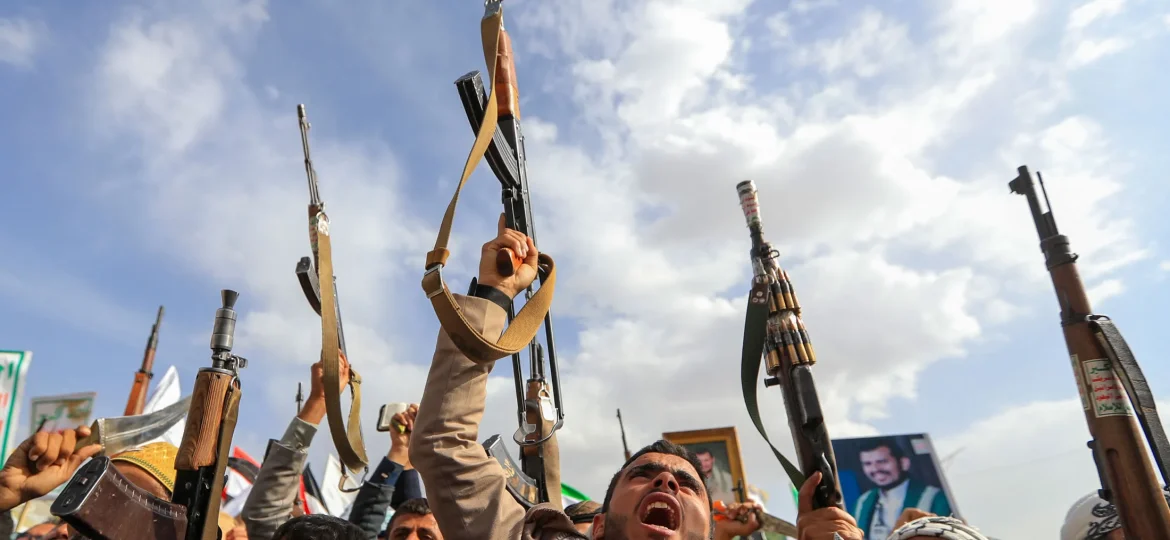
Houthi fighters have seized a strategic Red Sea port, missiles have struck Saudi oil facilities, and more than 80,000 people have fled their homes.
2026 September

The BRICS summit in India has just wrapped up, and it was a remarkably effective one: unified, and unmistakably assertive in the geoeconomic signals it sent.

In Dallas, on the eve of the 25th anniversary of 9/11, Donald Trump took the stage at the Republican convention and asked the audience to raise their right hands. Not for an oath of allegiance to the Constitution, but for a pledge of loyalty to him:
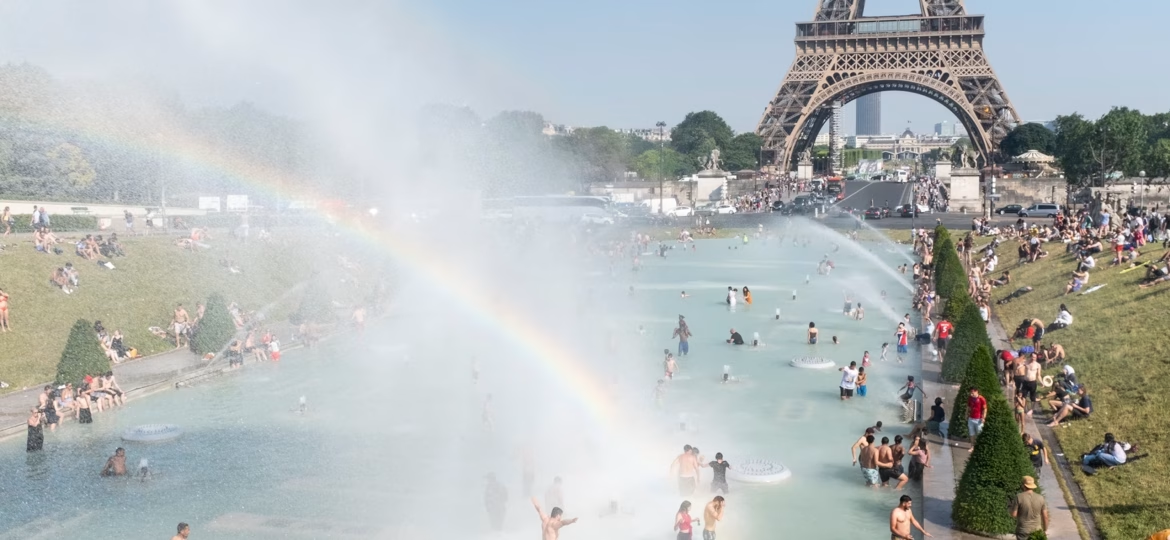
Summer 2026 was the hottest ever recorded in western Europe, its rivers ran dry, its crops failed and its forests burned. But the real story is no longer survival.

The great-power struggle between China and the West now runs through a scattering of small island nations most Europeans know only from postcards.
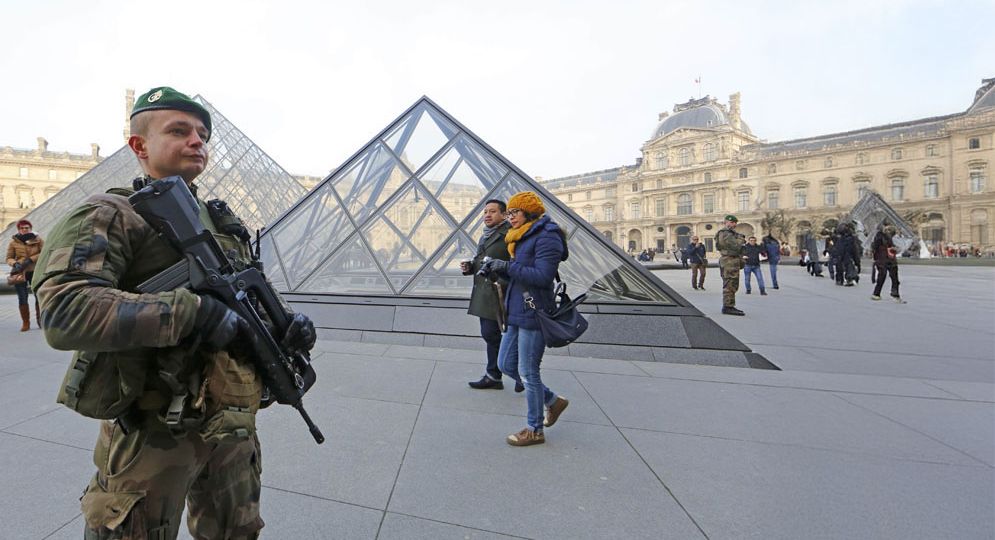
A wave of fast, violent museum robberies across the continent has exposed an uncomfortable truth.

Fifty-seven thousand people on the largest island on earth, sitting atop rare earths and astride the melting sea lanes of the Arctic. In 2026 Greenland found itself the object of an American president’s ambition, a Danish reckoning, and a great-power scramble it never asked to join. This is the country behind the headlines.
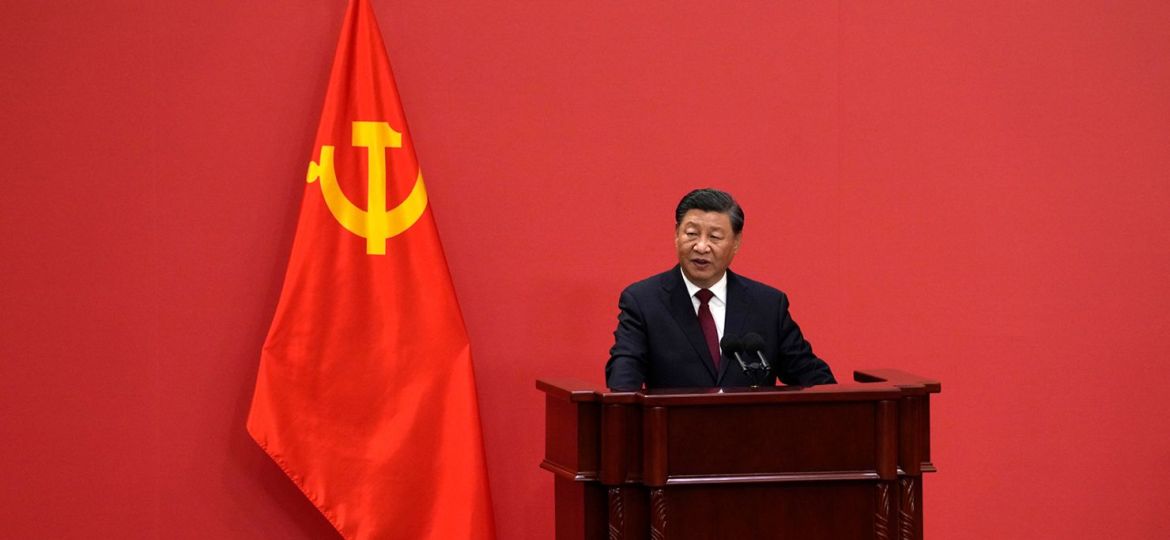
At the BRICS summit in New Delhi, China’s president urged the bloc to take on a peacemaking role in the Middle East war.

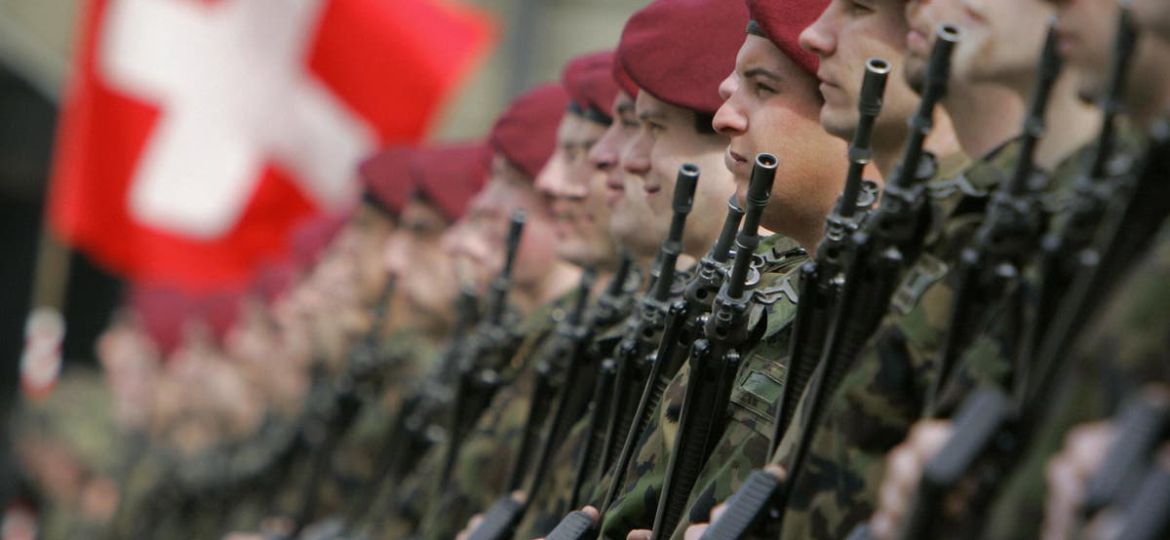
Switzerland has spent more than two centuries treating geography as a fortress and neutrality as a doctrine. Mountains, militias, and a studied refusal to take sides were supposed to keep the Confederation out of other people’s wars.